Healthcare Facility Cleaning Standards and Best Practices
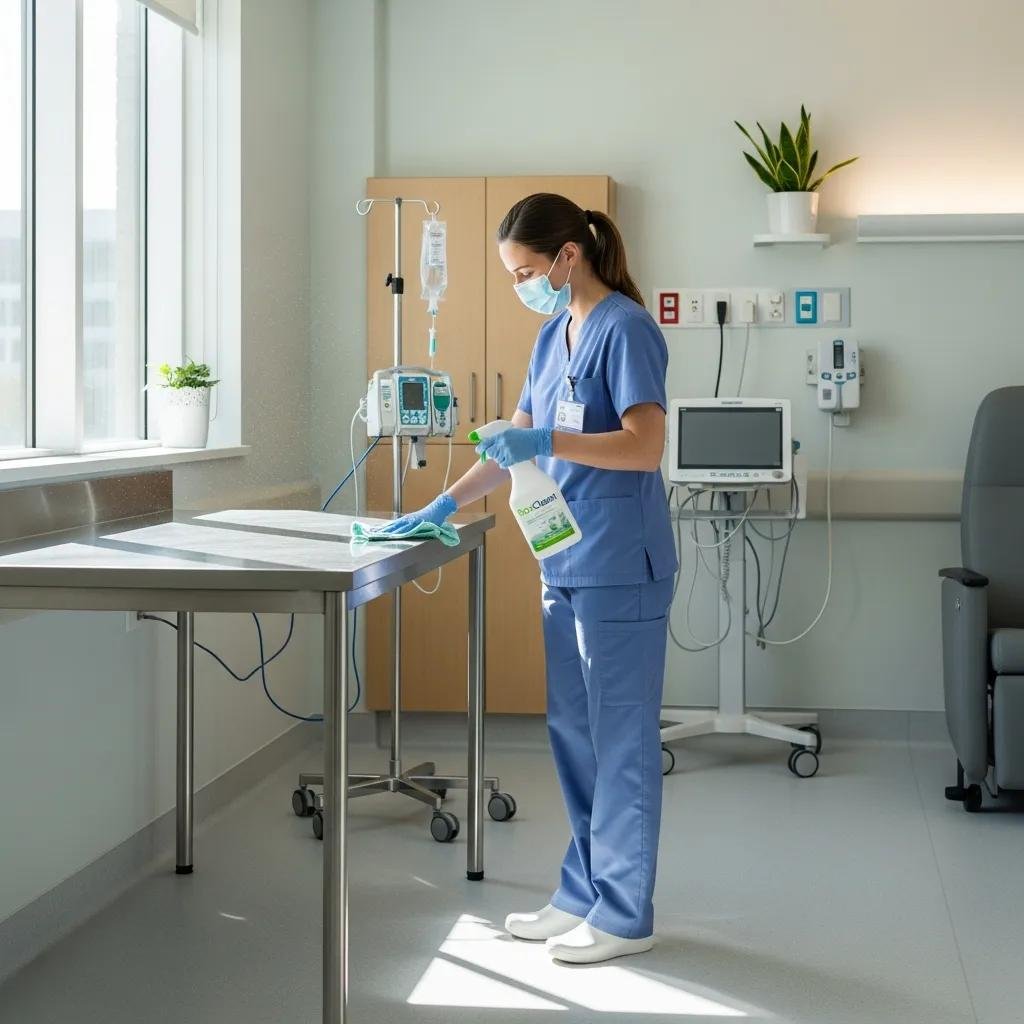
Healthcare Facility Cleaning Standards and Best Practices: Comprehensive Guide to Medical Cleaning Standards and Infection Control
Maintaining high healthcare facility cleaning standards is crucial for ensuring patient safety and preventing the spread of infections. This comprehensive guide explores essential medical cleaning standards, hospital cleaning protocols, and best practices for healthcare sanitation and janitorial services. Readers will learn about the importance of hospital-grade disinfection, compliance with CDC guidelines, and how to integrate eco-friendly cleaning products without compromising safety. As healthcare facilities face increasing scrutiny regarding cleanliness and infection control, understanding these standards becomes vital for regulatory compliance and operational success. This article covers detailed infection control procedures, compliance requirements, and the unique services offered by The Green Bucket in Central Florida.
Essential Healthcare Facility Cleaning and Medical Cleaning Standards for Healthcare Facilities
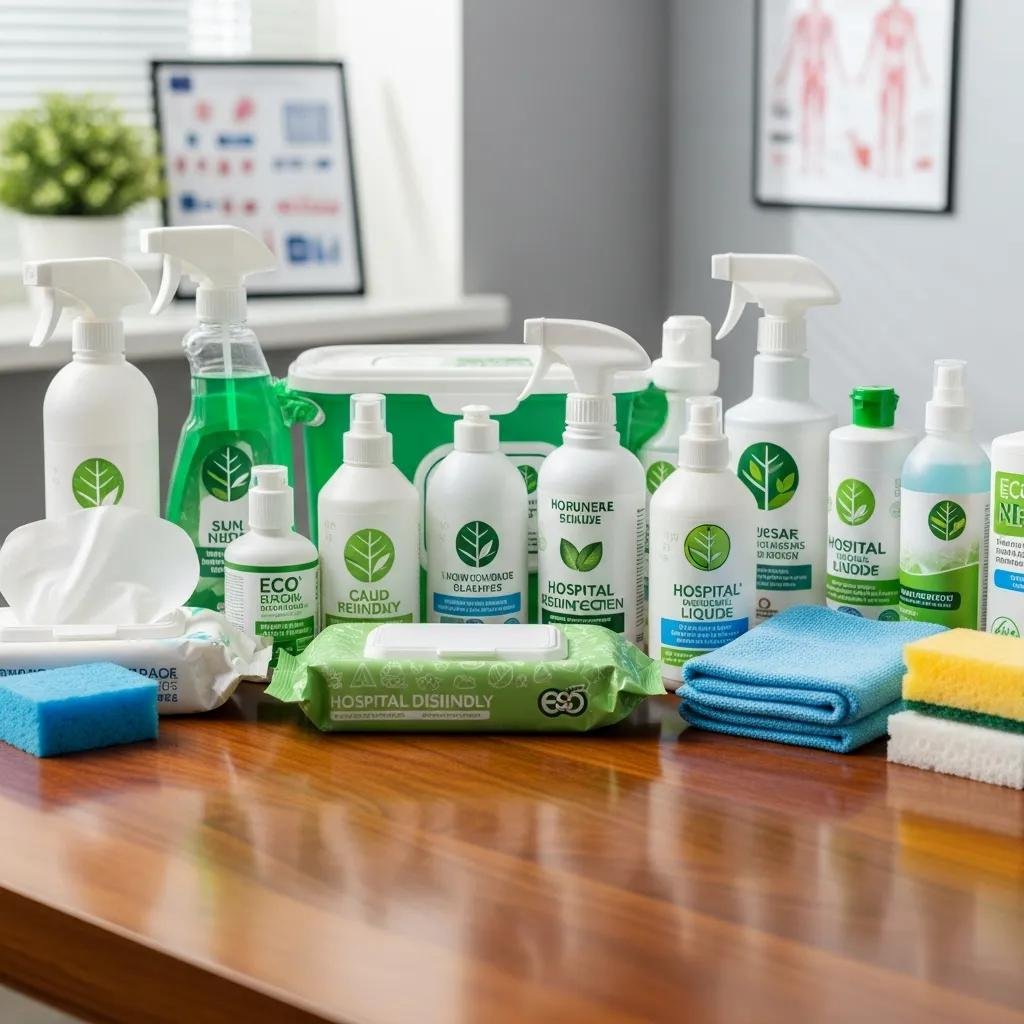
The essential healthcare facility cleaning and medical cleaning standards for healthcare facilities include:
- Hospital-grade disinfection: Ensuring all surfaces are disinfected to a standard suitable for medical environments, using EPA-registered disinfectants effective against healthcare-associated pathogens.
- Documented cleaning protocols: Following strict, written cleaning procedures that are recorded for compliance, safety, and audit purposes.
- Specialized medical waste handling: Properly managing and disposing of medical waste to prevent contamination and ensure safety, in accordance with OSHA and EPA regulations.
- Regular staff training: Ensuring janitorial and cleaning staff are trained on infection control, use of personal protective equipment (PPE), and updated cleaning protocols.
- Routine monitoring and auditing: Implementing checklists, inspections, and performance tracking to maintain consistent cleaning quality and compliance.
These protocols are critical for clinics, hospitals, and medical suites that require stringent infection control measures.
How Healthcare Facility Cleaning and Medical Cleaning Standards Ensure Patient Safety and Regulatory Compliance
Healthcare facility cleaning and medical cleaning standards ensure patient safety and compliance by adhering to rigorous disinfection protocols, maintaining detailed documentation, and following regulatory requirements from agencies such as the CDC, OSHA, and EPA. These standards include hospital-grade disinfection, specialized waste handling, and adherence to infection control guidelines that exceed general office cleaning. Regular inspections, checklists, and performance tracking support consistent cleaning practices, reducing illness transmission and maintaining a safe environment for patients and staff.
Official healthcare sanitation guidelines provide detailed best practices for cleaning and disinfection in healthcare settings, emphasizing the importance of environmental infection control.
Healthcare Cleaning & Disinfection Best Practices
This document is intended for healthcare providers to ensure that critical elements and methods of decontamination, disinfection, and sterilization are incorporated into healthcare operations.
Best Practice Guidelines For Cleaning, Disinfection and Sterilization of Critical and Semi-critical Medical Equipment and Environments.
Eco-Friendly Products Meeting Healthcare Facility Cleaning and Medical Cleaning Standards
Eco-friendly cleaning products that meet healthcare sanitation standards include those certified by Green Seal, EPA Safer Choice, and other recognized bodies. These products feature low-VOC formulas, biodegradability, and reduced toxic ingredients, making them suitable for environments requiring high levels of sanitation, such as medical offices and hospitals. Using these products supports infection control while minimizing environmental impact and improving indoor air quality.
Hospital Cleaning Protocols and Compliance Requirements for Healthcare Facility Cleaning
Healthcare janitorial services must follow hospital-grade disinfection protocols, documented procedures, and specialized medical waste handling to ensure infection control in medical settings. Compliance with CDC and OSHA regulations is mandatory to maintain a safe environment for patients and healthcare workers.
Alignment of Hospital Cleaning Protocols with CDC and OSHA Regulations
Hospital cleaning protocols align with CDC and OSHA regulations by adhering to strict guidelines that ensure a safe environment for both patients and healthcare workers. These include the use of EPA-registered disinfectants effective against pathogens of concern, proper PPE usage, and documented cleaning procedures. Compliance with these regulations is essential for maintaining operational standards, preventing healthcare-associated infections (HAIs), and avoiding legal repercussions.
Step-by-Step Infection Control Cleaning Procedures in Hospitals
Infection control cleaning procedures in hospitals typically involve the following detailed steps:
- Preparation: Gather necessary cleaning supplies, hospital-grade disinfectants, and personal protective equipment (PPE) such as gloves, masks, and gowns.
- Surface Cleaning: Remove visible dirt, dust, and debris from all surfaces using microfiber cloths and appropriate cleaning agents.
- Disinfection: Apply hospital-grade disinfectants to all surfaces, with special attention to high-touch areas such as doorknobs, bed rails, light switches, and medical equipment.
- Medical Waste Disposal: Collect and dispose of medical waste, sharps, and contaminated materials according to OSHA and EPA protocols, using color-coded containers and secure transport methods.
- Documentation: Record all cleaning activities, including time, date, personnel involved, and products used, to ensure compliance with health regulations and facilitate audits.
- Post-Cleaning Inspection: Conduct a thorough inspection to verify that cleaning and disinfection meet established standards, using checklists and supervisor sign-offs.
These steps are critical for maintaining a hygienic environment and preventing the spread of infections in healthcare settings.
Integrating Eco-Friendly Medical Cleaning Standards Without Compromising Healthcare Facility Cleaning Quality
Eco-friendly medical cleaning standards can be integrated without compromising quality by using certified green products, implementing documented green cleaning practices, and ensuring staff are trained in eco-friendly techniques. Maintaining hospital-grade disinfection protocols and specialized waste handling is essential while utilizing low-VOC products and safer disinfectants that effectively control pathogens without harsh residues. Regular inspections, employee feedback, and strict adherence to established cleaning protocols help ensure that cleaning effectiveness is maintained alongside environmental sustainability.
Benefits of Green Cleaning Certification in Healthcare Facility Cleaning
The benefits of green cleaning certification in healthcare settings include:
- Enhanced Stakeholder Perception: Clients and employees increasingly value sustainable practices, enhancing the reputation of the healthcare facility.
- Improved Indoor Air Quality: Green cleaning reduces volatile organic compounds (VOCs) and chemical odors, leading to a healthier environment.
- Reduced Illness Transmission: Safer disinfectants control pathogens without harsh residues, contributing to lower rates of illness among staff and patients.
- Greater Procurement Confidence and Trust: Third-party certifications provide independent verification of product safety and performance, aiding procurement decisions.
- Cleaner Air and Reduced Allergens: Use of HEPA-filter vacuums and low-VOC products captures fine particulates, improving overall air quality.
- Lower Environmental Impact: Biodegradable formulations break down safely, reducing the environmental footprint of cleaning operations.
These benefits collectively contribute to a safer, healthier, and more sustainable healthcare environment.
How Eco-Friendly Products Reduce Environmental Impact While Ensuring Healthcare Sanitation
Eco-friendly products reduce environmental impact by using biodegradable ingredients and safer formulas that minimize harmful residues and emissions. They often carry certifications like Green Seal or EPA Safer Choice, ensuring independent verification of their environmental claims. These products improve healthcare sanitation by effectively controlling pathogens without the harsh chemicals found in traditional cleaners, thus enhancing indoor air quality and reducing respiratory irritations. Methods such as HEPA-filtered vacuuming and microfiber dusting further contribute to cleaner air and reduced allergens, ensuring a safe and healthy environment.
Critical Role of Infection Control Cleaning in Healthcare Facility Cleaning and Janitorial Services
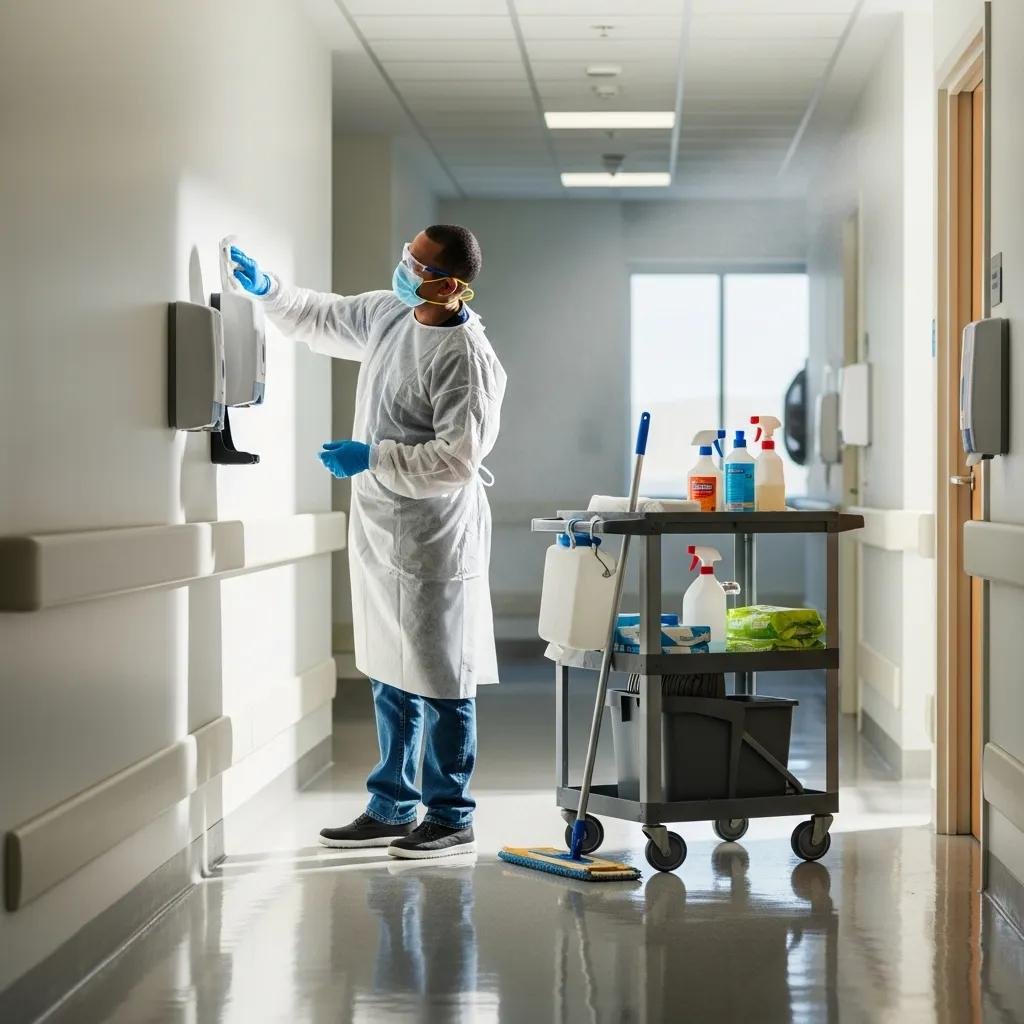
Infection control cleaning is critical in healthcare facility cleaning and janitorial services because it involves hospital-grade disinfection and adherence to documented protocols essential for preventing the spread of pathogens. This specialized cleaning is necessary for clinics and medical suites to ensure a safe environment for patients and staff, thereby reducing illness transmission and maintaining compliance with health and safety regulations.
Latest CDC Infection Control Guidelines for Healthcare Facility Cleaning
The latest CDC infection control guidelines for healthcare facility cleaning emphasize the importance of using EPA-registered disinfectants effective against pathogens of concern, maintaining cleanliness in high-touch areas, and ensuring that cleaning staff are trained in proper protocols. These guidelines are designed to enhance patient safety and reduce the risk of healthcare-associated infections (HAIs).
These guidelines are further supported by comprehensive research on environmental infection control, highlighting various strategies to minimize healthcare-associated infections.
Environmental Infection Control in Healthcare Facilities
Environmental infection-control strategies and engineering controls can effectively prevent these infections. The incidence of healthcare-associated infections and pseudo-outbreaks can be minimized by 1) appropriate use of cleaners and disinfectants; 2) appropriate maintenance of medical equipment (e.g., automated endoscope reprocessors or hydrotherapy equipment); 3) adherence to water-quality standards for hemodialysis, and to ventilation standards for specialized care environments (e.g., airborne infection isolation rooms, protective environments, or operating rooms); and 4) prompt management of water intrusion into the facility.
Guidelines for environmental infection control in healthcare facilities, MJ Arduino, 2003
Enhancing Healthcare Sanitation with Antimicrobial Cleaning Technologies
Antimicrobial cleaning technologies enhance healthcare sanitation by using hospital-grade disinfection methods that are crucial for infection control in medical settings. These technologies help reduce the transmission of pathogens, ensuring a safer environment for both patients and healthcare workers. Additionally, they often involve documented protocols and specialized waste handling, which further supports effective sanitation practices in healthcare facilities.
Specialized Healthcare Facility Cleaning Services by The Green Bucket in Central Florida
The Green Bucket provides specialized healthcare facility cleaning services in Central Florida by offering medical office cleaning that follows stricter disinfection protocols and recordkeeping compared to general office cleaning. Their services include routine janitorial work, deep cleaning, and specialized sanitation services tailored for medical environments. They emphasize eco-friendly solutions, use background-checked staff, and maintain operational standards to ensure compliance and quality. Additionally, they offer flexible scheduling to minimize disruption to healthcare operations.
Unique Value Propositions of The Green Bucket in Healthcare Facility Cleaning and Medical Cleaning Standards
The unique value propositions that distinguish The Green Bucket in healthcare facility cleaning and medical cleaning standards include:
- Eco-Friendly Solutions: The Green Bucket emphasizes the use of eco-friendly cleaning products and practices, which contribute to better indoor air quality and reduced harmful exposures.
- Specialized Medical Cleaning: They offer hospital-grade disinfection and have documented protocols for infection control, essential for clinics and medical suites.
- Licensed and Insured Staff: Their team is background-checked and uniformed, providing an added layer of trust and professionalism.
- Flexible Scheduling: The Green Bucket provides 24/7 flexibility to avoid disrupting operations, accommodating the specific needs of medical facilities.
- Quality Assurance Practices: They implement clear checklists, scheduled inspections, and open feedback channels to ensure consistent results and continuous improvement.
- Customized Service Plans: They conduct site walkthroughs to assess needs and develop tailored cleaning plans, ensuring that services align with client expectations and compliance requirements.
How Local Expertise Enhances Compliance with Healthcare Facility Cleaning Standards
Local expertise improves compliance with healthcare facility cleaning standards by ensuring that trained teams are familiar with specific protocols and regulations relevant to the healthcare environment. This expertise allows for targeted cleaning of high-touch surfaces, adherence to safety expectations, and the ability to adjust cleaning frequencies based on traffic patterns and occupancy changes. Additionally, professional cleaning services can document results and maintain open communication with facility managers, supporting consistent compliance and quality assurance.
Best Practices for Maintaining Compliance with Healthcare Facility Cleaning and Medical Cleaning Standards
Best practices for maintaining compliance with healthcare facility cleaning and medical cleaning standards include:
- Planned and Consistent Cleaning: Ensure cleaning is systematic rather than accidental, with defined routines for daily, weekly, and monthly tasks.
- Use of Checklists: Break tasks into checklists to enhance efficiency and ensure nothing is overlooked, protecting facilities and staff.
- Clear Task Definitions: Clearly define what tasks are to be done, how often, and who is responsible to maintain reliability.
- Daily Janitorial Work: Focus on daily tasks that target high-traffic areas to prevent the buildup of grime and bacteria, helping reduce long-term maintenance costs.
- Scheduled Deep Cleaning: Schedule deep cleaning services regularly, especially in high-traffic or health-sensitive areas, and after events to maintain hygiene standards.
- Specialized Cleaning Protocols: For medical offices, follow stricter disinfection protocols and maintain documentation to meet compliance requirements.
- Quality Assurance Practices: Implement scheduled inspections, supervisor walkthroughs, and maintain open channels for client feedback to ensure consistent results.
- Regular Performance Reporting: Use documented checklists, performance reports, and feedback loops to track cleaning effectiveness and adjust as necessary.
- Employee Feedback: Incorporate employee feedback to identify areas for improvement and ensure cleaning meets the needs of the facility.
- Eco-Friendly Practices: Utilize eco-friendly cleaning products and methods to improve indoor air quality and reduce harmful exposures, which can also enhance stakeholder perception.
Effective Implementation of Structured Healthcare Facility Cleaning Checklists and Protocols
To implement structured healthcare facility cleaning checklists and protocols effectively, follow these steps:
- Break Tasks into Routines: Organize cleaning tasks into daily, weekly, and monthly routines to ensure nothing is missed.
- Define Clarity: Clearly outline what tasks need to be done, how often they should be performed, and who is responsible for each task.
- Use Time-Based Checklists: Create checklists that make operations repeatable and reliable, focusing on daily tasks that target high-traffic areas to prevent buildup of grime and bacteria.
- Ensure Consistency: Daily janitorial work should be consistent and efficient, enhancing the effectiveness of deeper cleaning services.
- Implement Quality Assurance: Use scheduled inspections, documented checklists with sign-offs, and open feedback channels to maintain consistent results and improve processes.
- Regular Reviews: Conduct regular briefings or monthly reviews to adjust cleaning frequencies and tasks based on observed wear patterns or occupancy changes.
By following these guidelines, healthcare facilities can create a structured and effective cleaning protocol that enhances facility health and safety.
Monitoring and Auditing Processes to Ensure Ongoing Healthcare Sanitation Compliance
The monitoring and auditing processes that ensure ongoing healthcare sanitation compliance include clear checklists, scheduled inspections, supervisor walkthroughs, documented checklists with sign-offs, periodic performance reports, and open client feedback channels. Regular briefings or monthly reviews help adjust cleaning frequencies and tasks based on factors such as wear patterns and occupancy changes. These practices create a continuous improvement loop between the service provider and the facility manager, ensuring consistent results and compliance with medical cleaning standards.
