Medical Office Cleaning Protocols: Meeting Healthcare Standards
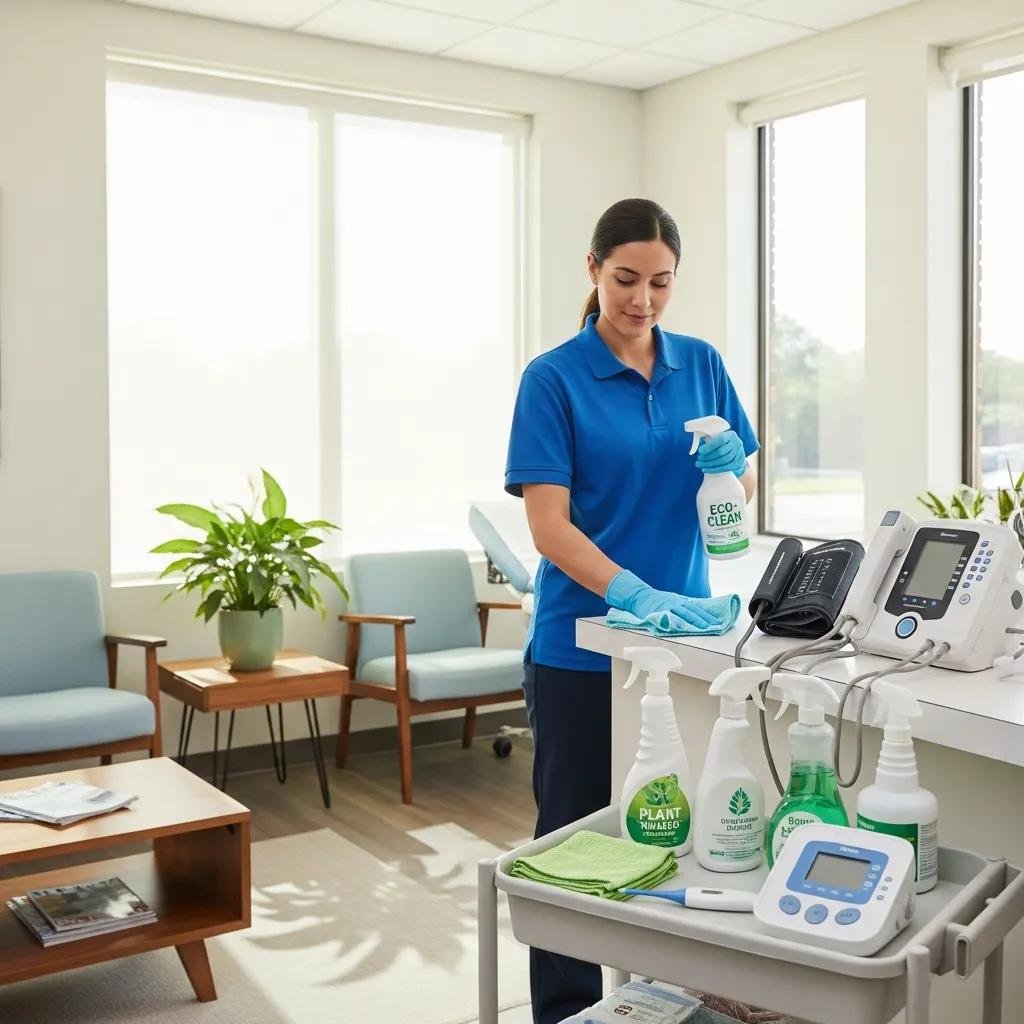
Medical Office Cleaning Protocols: Meeting Healthcare Standards for Safe and Eco-Friendly Facilities
Maintaining a clean and safe environment in medical offices is crucial for patient safety and overall health. This comprehensive guide explores essential medical office cleaning protocols and healthcare cleaning protocols that meet stringent clinical cleaning standards and regulatory requirements. Readers will gain insight into medical facility sanitation practices, infection prevention protocols, OSHA compliance, and the use of medical-grade cleaning procedures that ensure healthcare facilities remain hygienic, safe, and eco-friendly. Understanding these protocols is vital for compliance, patient safety cleaning, and building trust in healthcare environments.
Essential Healthcare Cleaning Protocols and Medical Office Cleaning Procedures
Effective healthcare cleaning protocols and medical office cleaning procedures are designed to maintain high standards of hygiene and infection control in medical settings. Key components include:
- Hospital-grade disinfection: Using EPA-registered disinfectants to thoroughly clean all surfaces and equipment, targeting pathogens that cause healthcare-associated infections.
- Documented cleaning protocols: Establishing and maintaining detailed cleaning schedules and records to ensure compliance with OSHA and CDC standards.
- Specialized medical waste handling: Proper segregation, containment, and disposal of biohazardous and medical waste to prevent contamination and ensure safety.
- Regular staff training: Ensuring cleaning personnel are trained in the latest clinical cleaning standards, OSHA regulations, and infection prevention techniques.
- Use of personal protective equipment (PPE): Mandating appropriate PPE for cleaning staff to protect against exposure to infectious agents.
These protocols form the foundation of effective medical office cleaning and medical facility sanitation, reducing infection risks and promoting a safe environment for patients and staff.
Detailed Checklist for Healthcare Cleaning Protocols in Medical Offices
| Task | Frequency | Responsible Party | Notes |
|---|---|---|---|
| Disinfect high-touch surfaces (doorknobs, light switches, keyboards) | Daily | Cleaning staff | Use hospital-grade EPA-registered disinfectants |
| Medical waste segregation and disposal | Daily | Trained waste handlers | Follow OSHA and local regulations |
| Restroom sanitation and disinfection | Multiple times daily | Cleaning staff | Ensure no cross-contamination |
| Floor cleaning and vacuuming with HEPA-filter vacuums | Daily | Cleaning staff | Reduces airborne particulates |
| Deep cleaning and disinfection of carpets, grout, and fixtures | Quarterly or post-events | Specialized cleaning team | Documented and verified |
| PPE usage and training refreshers | Monthly | Facility management | Ensures OSHA compliance |
OSHA Compliance and Infection Prevention Protocols in Medical Office Cleaning
Compliance with OSHA regulations is a critical aspect of medical office cleaning and healthcare cleaning protocols. OSHA mandates specific standards to protect cleaning staff and patients from exposure to infectious agents and hazardous materials. Key OSHA requirements include:
- Bloodborne Pathogens Standard: Requires proper handling and disposal of sharps and contaminated materials to prevent occupational exposure.
- Hazard Communication Standard: Ensures that cleaning staff are informed about chemical hazards through Safety Data Sheets (SDS) and proper labeling.
- Personal Protective Equipment (PPE): Mandates the use of gloves, masks, gowns, and eye protection during cleaning tasks involving potential exposure.
- Training and Education: Requires regular training on infection control, chemical safety, and emergency procedures.
Infection prevention protocols integrated into medical office cleaning include:
- Targeted disinfection of high-touch surfaces to reduce pathogen transmission.
- Use of medical-grade cleaning agents that are effective against a broad spectrum of microorganisms.
- Routine environmental cleaning combined with advanced technologies such as UV light disinfection to supplement manual cleaning.
- Strict waste management to prevent contamination and maintain a safe clinical environment.
Adhering to these protocols ensures a safer medical facility sanitation process that protects both patients and healthcare workers.
Advanced Infection Prevention Protocol Checklist for Medical Offices
- Conduct daily disinfection of all patient contact areas using EPA-registered hospital-grade disinfectants.
- Implement no-touch waste disposal systems for sharps and biohazardous materials.
- Train cleaning staff monthly on OSHA bloodborne pathogen standards and PPE usage.
- Use HEPA-filtered vacuum systems to reduce airborne contaminants.
- Schedule quarterly UV light disinfection treatments in patient rooms and high-risk areas.
- Maintain detailed cleaning logs and incident reports for regulatory audits.
- Perform routine audits to verify compliance with infection control and OSHA standards.
Optimizing Medical Office Cleaning with Eco-Friendly and Medical-Grade Products
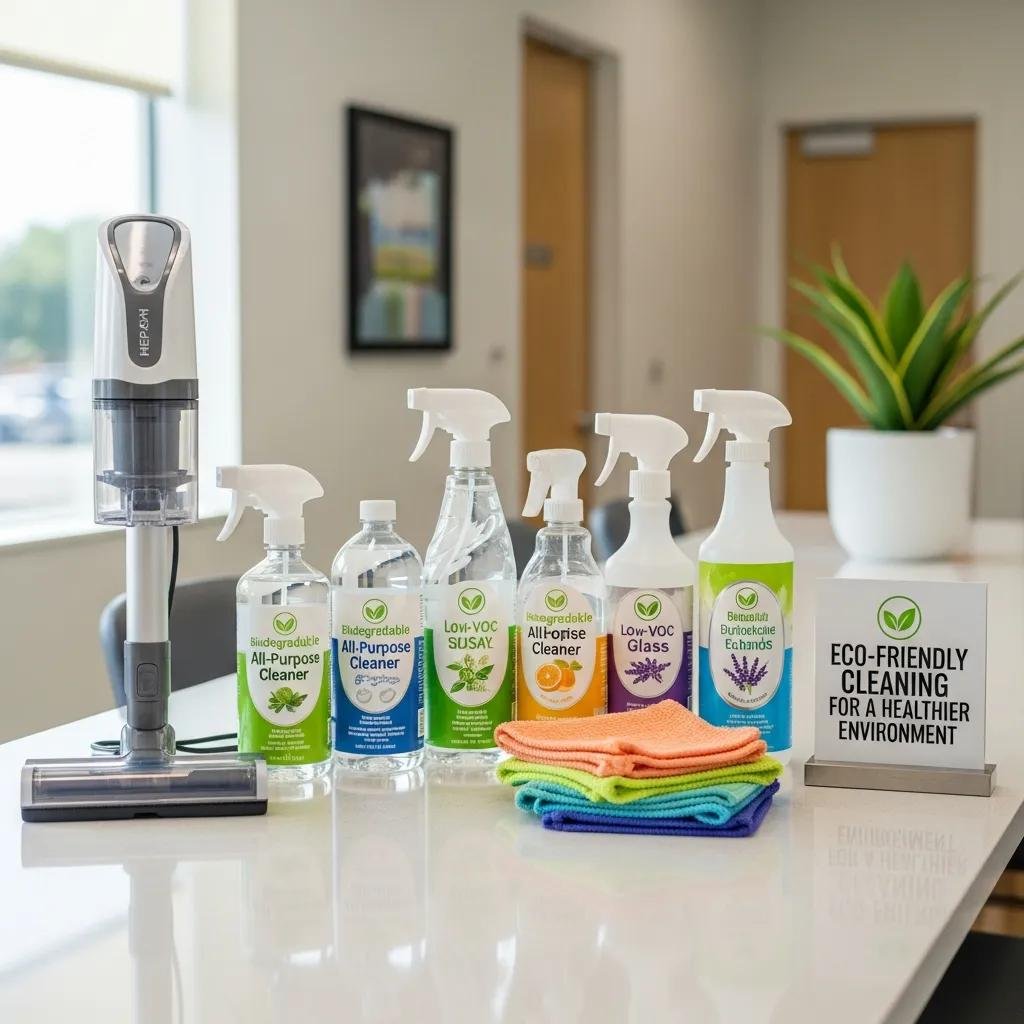
Choosing the right products is essential for effective medical office cleaning that aligns with healthcare cleaning protocols. Medical-grade cleaning products must be both safe for patients and staff and effective against pathogens. Recommended product categories include:
- Low-VOC and non-toxic cleaners: Reduce respiratory irritants and improve indoor air quality.
- Biodegradable disinfectants: Environmentally responsible options that break down safely without compromising efficacy.
- HEPA-filter vacuums: Capture fine particulates and allergens, enhancing air quality.
- Third-party certified disinfectants: Products with Green Seal, EPA Safer Choice, or similar certifications ensure verified safety and performance.
Integrating these products into medical office cleaning routines supports sustainable practices while maintaining rigorous clinical cleaning standards.
Sustainable Cleaning Methods Supporting Healthcare Cleaning Protocols
Sustainable cleaning methods that comply with healthcare cleaning protocols include:
- Using hospital-grade disinfectants with eco-friendly formulations.
- Implementing documented cleaning protocols that incorporate green cleaning products.
- Employing specialized waste handling that minimizes environmental impact.
- Utilizing HEPA-filtered equipment to reduce airborne contaminants.
- Incorporating UV light disinfection as a supplemental infection prevention technology.
These methods enhance medical facility sanitation by balancing efficacy with environmental responsibility.
Ensuring Compliance with Healthcare Cleaning Protocols in Medical Offices
To maintain compliance with healthcare cleaning protocols, medical offices should implement structured cleaning programs that include:
- Routine cleaning schedules: Daily, weekly, and monthly tasks clearly defined with checklists to ensure thorough coverage.
- Clear assignment of responsibilities: Designating specific tasks to trained personnel to maintain consistency.
- Regular training and certification: Keeping staff updated on OSHA, CDC, and clinical cleaning standards.
- Quality assurance programs: Conducting scheduled inspections, audits, and feedback sessions to monitor performance.
- Documentation and record-keeping: Maintaining detailed logs of cleaning activities, incidents, and corrective actions.
- Customized cleaning plans: Tailoring protocols to the specific needs of the medical office, including high-risk areas and patient safety considerations.
These practices ensure that medical office cleaning meets regulatory requirements and supports a safe healthcare environment.
Updated CDC and OSHA Guidelines for Healthcare Cleaning Protocols
The latest CDC and OSHA guidelines emphasize:
- Frequent disinfection of high-touch surfaces using EPA-registered hospital-grade disinfectants.
- Mandatory use of appropriate PPE for cleaning staff to prevent exposure to infectious agents.
- Comprehensive training programs on infection control and chemical safety.
- Implementation of engineering controls and administrative policies to reduce occupational hazards.
- Use of evidence-based cleaning and disinfection practices to minimize healthcare-associated infections.
Adhering to these guidelines is essential for effective medical office cleaning and patient safety cleaning.
Using Sanitation Checklists and Certification to Maintain High Standards
Maintaining high standards in medical office cleaning involves:
- Developing detailed checklists that break down cleaning tasks by frequency and responsibility.
- Implementing daily janitorial work focused on high-traffic and high-touch areas to prevent contamination buildup.
- Scheduling regular inspections and audits to assess cleaning effectiveness and compliance.
- Utilizing certifications such as Green Seal or EPA Safer Choice to verify the use of safe and effective products.
- Maintaining open communication between cleaning teams and facility managers to address issues promptly.
- Adjusting cleaning protocols based on feedback, occupancy changes, and emerging health risks.
These steps help ensure consistent adherence to healthcare cleaning protocols and promote a healthy environment.
Benefits of Professional Medical Office Cleaning Services
Professional medical office cleaning services offer numerous advantages, including:
- Hospital-grade disinfection that effectively reduces pathogens and infection risks.
- Documented cleaning protocols that provide transparency and regulatory compliance.
- Specialized medical waste handling to safely manage hazardous materials.
- Reduced illness transmission through targeted cleaning of high-touch surfaces and patient areas.
- Enhanced safety and compliance with OSHA, CDC, and local health regulations.
- Use of eco-friendly products that improve indoor air quality and reduce harmful chemical exposure.
These services contribute to a safer, cleaner, and more trustworthy healthcare environment for patients and staff alike.
Why Choose Specialized Cleaning Providers Like The Green Bucket?
Specialized providers such as The Green Bucket offer tailored medical office cleaning solutions that emphasize:
- Eco-friendly cleaning products that align with sustainable healthcare practices.
- Professional standards including licensed, insured, background-checked, and uniformed staff.
- Flexible scheduling to minimize disruption to medical office operations.
- Quality assurance through clear checklists, scheduled inspections, and open communication.
- Customized services addressing specific needs such as routine janitorial work, deep cleaning, and infection control.
- Healthier work environments that reduce respiratory irritations and sick days.
These factors make specialized providers a preferred choice for comprehensive medical office cleaning and healthcare cleaning protocols.
How Customized Cleaning Agreements Enhance Facility Safety
Customized cleaning agreements improve facility safety by ensuring that trained teams follow specific protocols designed to reduce slip, trip, and sanitation hazards. Tailored cleaning plans focus on high-touch surfaces and compliance requirements, maintaining a consistently clean and safe environment. Regular inspections and documented processes support continuous safety improvements, lower illness transmission, and foster a reliable workplace.
Resources and Support for Medical Office Cleaning Protocols
Facility managers can access valuable resources and support for implementing effective medical office cleaning protocols through providers like The Green Bucket. These resources include practical guides, detailed checklists, and evidence-based information on indoor air quality and infection control. Emphasizing regular communication and quality assurance practices helps maintain consistent cleaning standards and supports compliance with healthcare regulations.
Frequently Asked Questions About Medical Office Cleaning
Common questions regarding medical office cleaning include:
- What factors should businesses consider when selecting an eco-friendly cleaning service?
- How can the effectiveness of medical office cleaning services be measured?
- What is the recommended frequency for deep cleaning in medical offices?
These FAQs help clarify expectations and ensure adherence to healthcare cleaning protocols in medical office settings.
Case Studies and Testimonials Demonstrating Medical Office Cleaning Effectiveness
Case studies and testimonials provide real-world evidence of the impact of professional medical office cleaning services on patient safety cleaning, infection control, and workplace health. They highlight measurable improvements such as reduced absenteeism, enhanced indoor air quality, and increased employee productivity. Client feedback often emphasizes satisfaction with eco-friendly practices and the thoroughness of cleaning methods, reinforcing the value of specialized healthcare cleaning protocols and services.
