
Bank and Financial Institution Cleaning Standards
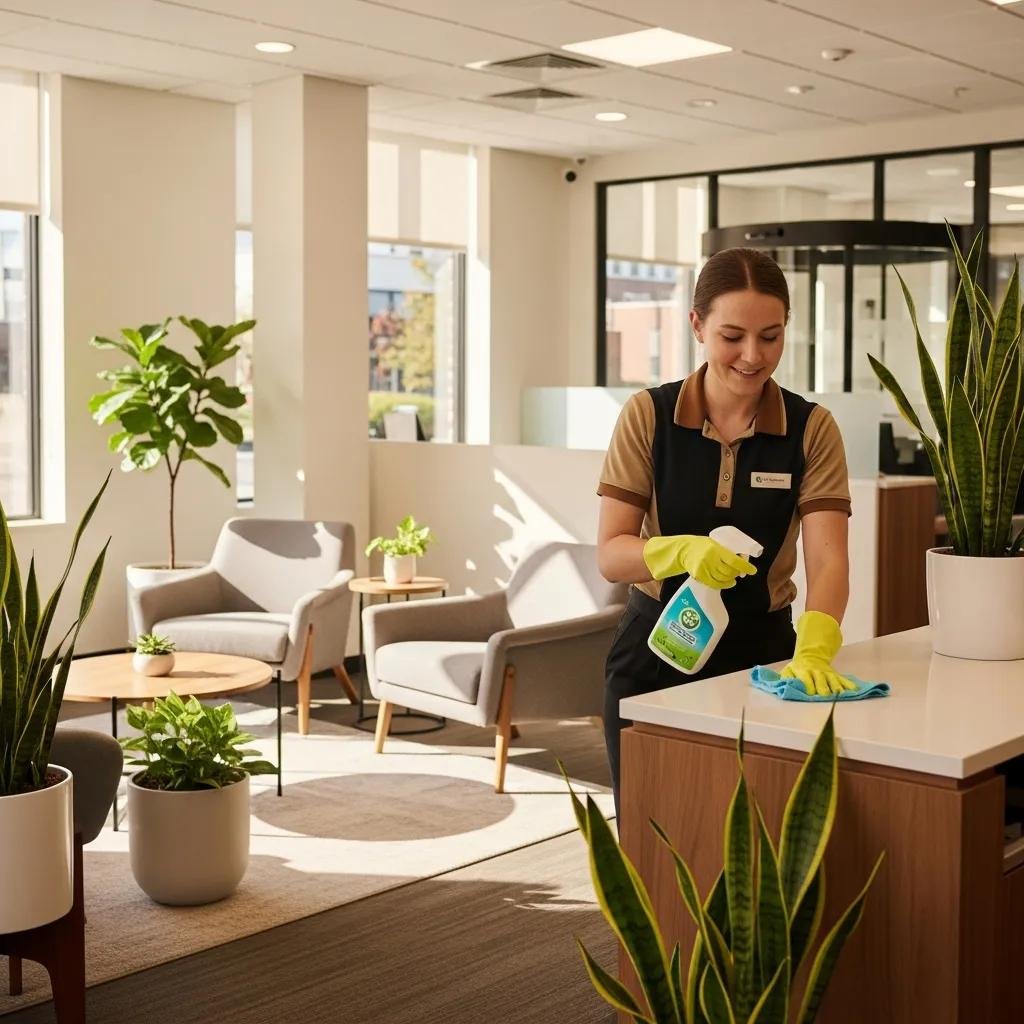
Comprehensive Bank and Financial Institution Cleaning Standards for Professional Commercial Office Hygiene
Maintaining high cleaning standards in banks and financial institutions is crucial for ensuring a safe and welcoming environment for both employees and clients. This article delves into the essential cleaning standards that govern these institutions, highlighting the importance of routine janitorial services, deep cleaning, and compliance with health and safety regulations. Readers will learn about the specific cleaning protocols necessary to uphold hygiene and safety in financial settings. As many businesses face challenges related to cleanliness and compliance, understanding these standards provides a pathway to effective solutions. We will explore the essential cleaning standards, the impact of eco-friendly products, and the professional services offered by The Green Bucket, a leader in commercial cleaning solutions.
What Are the Essential Cleaning Standards for Banks and Financial Institutions?
The essential cleaning standards for banks and financial institutions include:
- Routine Janitorial Services: Daily tasks such as trash removal, surface dusting, vacuuming, restroom sanitation, and upkeep of shared areas to maintain a clean and safe environment.
- Deep Cleaning: Less frequent but intensive cleaning focused on high-touch areas and hard-to-reach spots, typically scheduled quarterly or as needed.
- Specialized Services: Industry-specific cleaning, such as hospital-grade disinfection for sensitive areas, which follows stricter protocols and documentation.
- Healthand SafetyCompliance: Ensuring that cleaning practices lower illness transmission, extend asset life, and meet safety regulations.
- Eco-Friendly Practices: Utilizing low-VOC products and safer disinfectants to improve indoor air quality and reduce harmful exposures.
- Clear Task Definitions and Schedules: Establishing what gets done, how often, and who is responsible to ensure consistency and reliability in cleaning operations.
These standards help maintain a functional, welcoming, and compliant environment in financial institutions.
Key Compliance Requirements for Financial Sector Cleaning Protocols
Key compliance requirements for financial sector cleaning protocols include:
- Identification of Compliance-Related CleaningNeeds: During the site walkthrough, it is essential to identify any specific compliance-related cleaning needs that may be required for the financial sector.
- Documentation and Reporting: Regular inspections, documented checklists with sign-offs, and performance reports are crucial for maintaining compliance and ensuring that cleaning standards are met.
- Customized CleaningPlans: A tailored cleaning plan should be developed that considers industry-specific requirements and compliance standards.
- Flexibility in Scheduling: Cleaning schedules should be agreed upon to minimize disruption to operations, which is particularly important in the financial sector.
- Quality Assurance Practices: Implementing quality assurance practices, including supervisor walkthroughs and open communication channels for feedback, helps ensure compliance with cleaning standards.
- Use of Eco-Friendly Products: Compliance may also involve using certified green products that meet environmental standards, which can be important for corporate responsibility in the financial sector.
These elements help ensure that cleaning protocols align with regulatory requirements and industry standards.
How Do Health and Safety Regulations Impact Bank Cleaning Services?
Health and safety regulations impact bank cleaning services by necessitating enhanced safety and compliance measures. Professional cleaning teams are trained to lower risks associated with slips, trips, and sanitation, which is crucial in maintaining a safe environment. Additionally, adherence to these regulations helps in reducing illness transmission through targeted cleaning of high-touch surfaces, thereby improving employee productivity and workplace safety. Compliance with health standards also ensures that cleaning practices meet the expectations of both clients and employees, fostering a trustworthy and reliable workplace.
How Do Eco Friendly Commercial Cleaning Products Enhance Financial Office Sanitation?

Eco-friendly commercial cleaning products enhance financial office sanitation by improving indoor air quality, reducing illness transmission, and fostering a stronger stakeholder perception. These products lower harmful exposures through low-VOC formulations and safer disinfectants, which can lead to fewer respiratory irritations and reduced sick days. This results in a more comfortable environment for employees, potentially increasing productivity and reducing costs associated with absenteeism. Additionally, clients and employees increasingly value sustainable practices, which can enhance the company‘s reputation and stakeholder trust.
Research further highlights the importance of choosing safer cleaning alternatives by detailing the potential health risks associated with conventional cleaning chemicals.
Cleaning Products, Indoor Air Quality & Health in Public Buildings
The use of cleaning and disinfecting products both at work and at home increased during the COVID-19 pandemic. Those products often include surfactants, acids/bases, carcinogens such as chloroform, and endocrine-disrupting chemicals, such as cyclosiloxanes, phthalates, and synthetic fragrances, which may cause harmful health effects among professional cleaners as well as among people exposed at home or in their workplaces. The aim of this study was to synthesize the effects of the commonly used chemical, surface cleaning and disinfecting products on indoor air quality, focusing on chemical and particulate matter pollutants, exposure, and human health in residential and public buildings.
Cleaning products: Their chemistry, effects on indoor air quality, and implications for human health, T Salthammer, 2024
Benefits of Green Cleaning Agents in Corporate Office Environments
The benefits of green cleaning agents in corporate office environments include:
- Improved Indoor Air Quality: Green cleaning reduces volatile organic compounds (VOCs) and chemical odors, leading to cleaner air.
- Reduced Illness Transmission: Safer disinfectants control pathogens without leaving harsh residues, which helps lower the spread of illness.
- Stronger Stakeholder Perception: Clients and employees increasingly value sustainable practices, enhancing the company’s image.
- Greater Procurement Confidence: Knowing product attributes and certifications helps ensure safety and performance.
- CleanerAir and Reduced Allergens: Using HEPA-filter vacuums captures fine particulates, contributing to a healthier environment.
- Lower Environmental Impact: Biodegradable formulations break down safely, reducing waste and environmental harm.
These factors contribute to fewer respiratory irritations, reduced sick days, and a more comfortable workplace for employees.
Which Eco Friendly Products Meet Financial Institution Cleaning Standards?
Eco-friendly products that meet financial institution cleaning standards typically include:
- Low-VOC cleaners – These reduce volatile organic compounds, leading to fewer respiratory irritations and less odor.
- Third-party green seal products – These provide independent verification of environmental claims, enhancing procurement confidence.
- HEPA-filter vacuums – These capture fine particulates, improving air quality and reducing allergens.
- Biodegradable formulations – These break down safely, resulting in a lower environmental impact.
Certifications to look for include Green Seal and EPA Safer Choice.
Beyond traditional green certifications, innovative cleaning solutions, such as those utilizing microbial agents, are also gaining traction in professional settings.
Microbial Cleaning Products in Professional Settings
Cleaning products containing living microorganisms as active ingredients are increasingly being used in household, professional and industrial cleaning.
Status of microbial based cleaning products in statutory regulations and ecolabelling in Europe, the USA, and Canada, A Spök, 2018
What Professional Janitorial Services Does The Green Bucket Provide for Financial Offices?
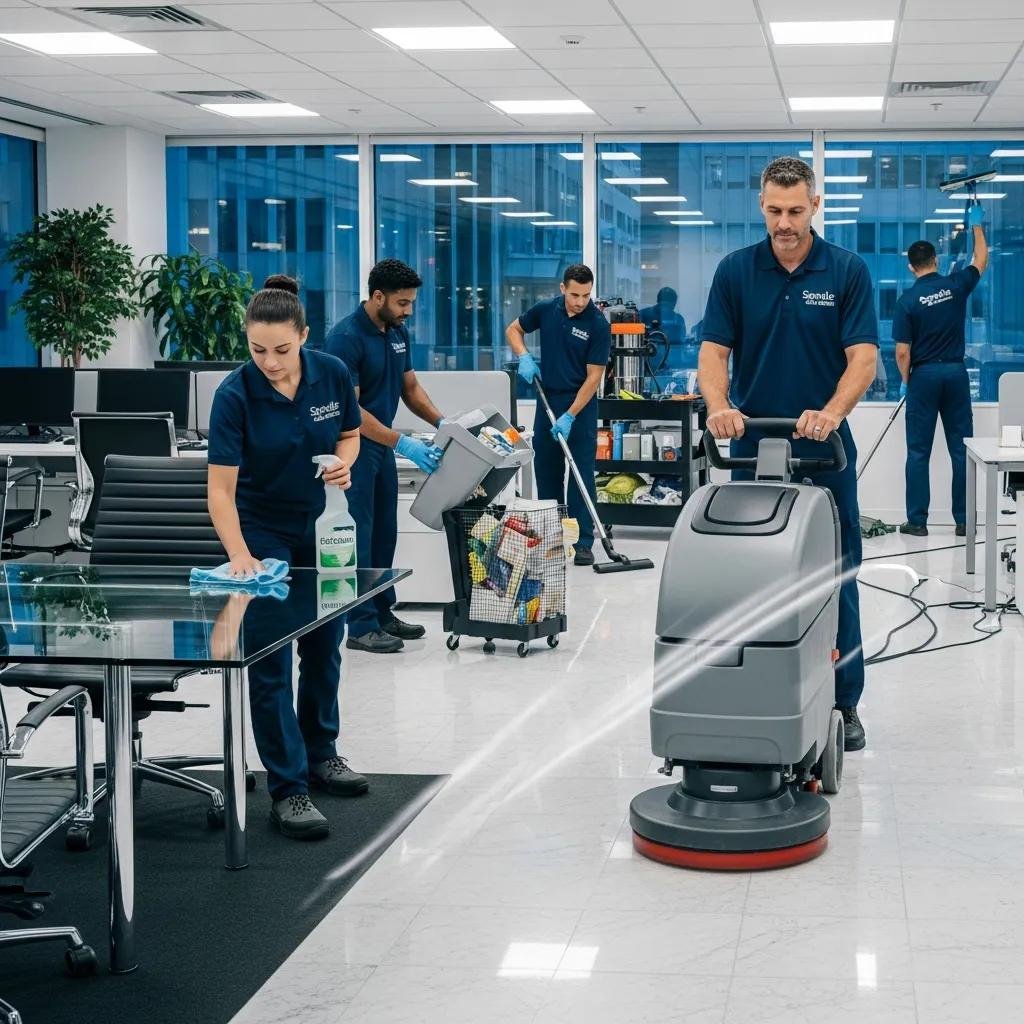
The Green Bucket provides professional janitorial services for financial offices that include routine janitorial services, deep cleaning, and specialized sanitation services. They emphasize eco-friendly cleaning methods and offer flexible scheduling to minimize disruption to operations. Their services are designed to maintain cleanliness, reduce illness transmission, and meet safety and compliance requirements.
Overview of Commercial Office Cleaning Services Tailored for Banks
Commercial office cleaning services tailored for banks typically include routine janitorial services, deep cleaning, and specialized services such as hospital-grade cleaning.
- Routine Janitorial Services: This involves daily tasks like trash removal, surface dusting, vacuuming, and restroom sanitation to maintain cleanliness in offices and shared areas.
- Deep Cleaning: Recommended quarterly or after events, this service includes high-touch disinfection, carpet extraction, and thorough cleaning of fixtures and grout to ensure a high standard of hygiene.
- Specialized Services: For banks, which may require strict compliance and sanitation protocols, specialized cleaning can include hospital-grade disinfection and documented procedures to handle sensitive areas.
The benefits of hiring professional cleaning services for banks include improved employee health, enhanced safety, cost predictability, and better indoor air quality through eco-friendly practices. These services help reduce illness transmission, maintain high-traffic areas, and ensure compliance with safety regulations, ultimately supporting a productive work environment.
How Trained Staff Ensure Compliance with Financial Sector Cleaning Protocols
Trained staff ensure compliance with financial sector cleaning protocols by following clear checklists, conducting scheduled inspections, and maintaining open communication channels for client feedback. They perform supervisor walkthroughs, document checklists with sign-offs, and provide periodic performance reports. This structured approach allows for adjustments based on traffic patterns, complaints, or occupancy changes, ensuring that cleaning practices meet compliance-related needs effectively.
How Can Facility Managers Implement Effective Office Sanitation Best Practices?
Facility managers can implement effective office sanitation best practices by:
- Establishing a CleaningSchedule: Break tasks into daily, weekly, and monthly routines to ensure nothing is missed. Use checklists for efficiency and accountability.
- Daily Upkeep: Focus on daily tasks that target high-traffic areas to prevent grime and bacteria buildup, which helps reduce long-term maintenance costs.
- Utilizing Employee Feedback: Regularly gather employee feedback through surveys or open channels to identify problem areas and adjust cleaning practices accordingly.
- Implementing Deep Cleaning: Schedule deep cleaning after events or during seasonal transitions to maintain hygiene standards and protect finishes.
- Adopting Eco-Friendly Methods: Use eco-friendly cleaning products and techniques that match or exceed traditional methods in effectiveness while improving indoor air quality and reducing harmful exposures.
- Hiring ProfessionalServices: Consider outsourcing to professional cleaning services that provide trained staff, proper equipment, and documented processes to enhance safety and compliance.
- Quality Assurance Practices: Maintain consistent results through clear checklists, scheduled inspections, and open communication with cleaning providers to ensure ongoing quality and adjustments based on feedback.
By following these practices, facility managers can create a cleaner, healthier work environment that supports employee productivity and well-being.
Developing Cleaning Service Contracts and Pricing for Banks
When developing cleaning service contracts for banks, it is essential to consider the specific needs of the financial institution, including compliance requirements, frequency of service, and the types of cleaning needed. Pricing should reflect the level of service provided, ensuring that it aligns with the institution‘s budget while maintaining high standards of cleanliness.
Checklist for Maintaining Hygiene and Compliance in Financial Institutions
To ensure ongoing hygiene and compliance in financial institutions, consider the following checklist:
- Daily CleaningTasks: Ensure all high-touch surfaces are cleaned and disinfected.
- Weekly Deep Cleaning: Schedule deep cleaning for carpets and upholstery.
- Monthly Compliance Audits: Conduct audits to ensure cleaning protocols are being followed.
- Employee Training: Regularly train staff on the latest cleaning techniques and compliance requirements.
- Feedback Mechanism: Implement a system for employees to report cleanliness issues.
What Are Common Questions About Bank Cleaning Standards and Eco Friendly Practices?
Common questions about bank cleaning standards and eco-friendly practices include:
- What should businesses consider when choosing an eco-friendly cleaning service?
- How can businesses measure the effectiveness of their cleaning services?
- What are the environmental impacts of traditional cleaning products?
- How often should deep cleaning be scheduled for an office?
- What role does employee feedback play in maintaining cleaning standards?
- Can eco-friendly cleaning methods be as effective as traditional methods?
How Often Should Financial Institutions Be Cleaned for Optimal Hygiene?
Financial institutions should have daily janitorial tasks for upkeep, with deep cleaning recommended at least quarterly, or more frequently for high-traffic areas or health-sensitive environments.
What Certifications Should Commercial Cleaners Have for Bank Services?
Commercial cleaners providing services for banks should have certifications such as Green Seal and EPA Safer Choice. These certifications indicate independent verification of environmental claims and ensure the use of eco-friendly products that are safe and effective.

CEO
With 14+ years in commercial cleaning, I provide reliable, high-quality service for medical, office, and corporate spaces. Renowned for attention to detail, eco-friendly solutions, and building trusted client relationships across Central Florida.