
Understanding Ongoing Commercial Cleaning Costs: How Often Should You Budget for Services?
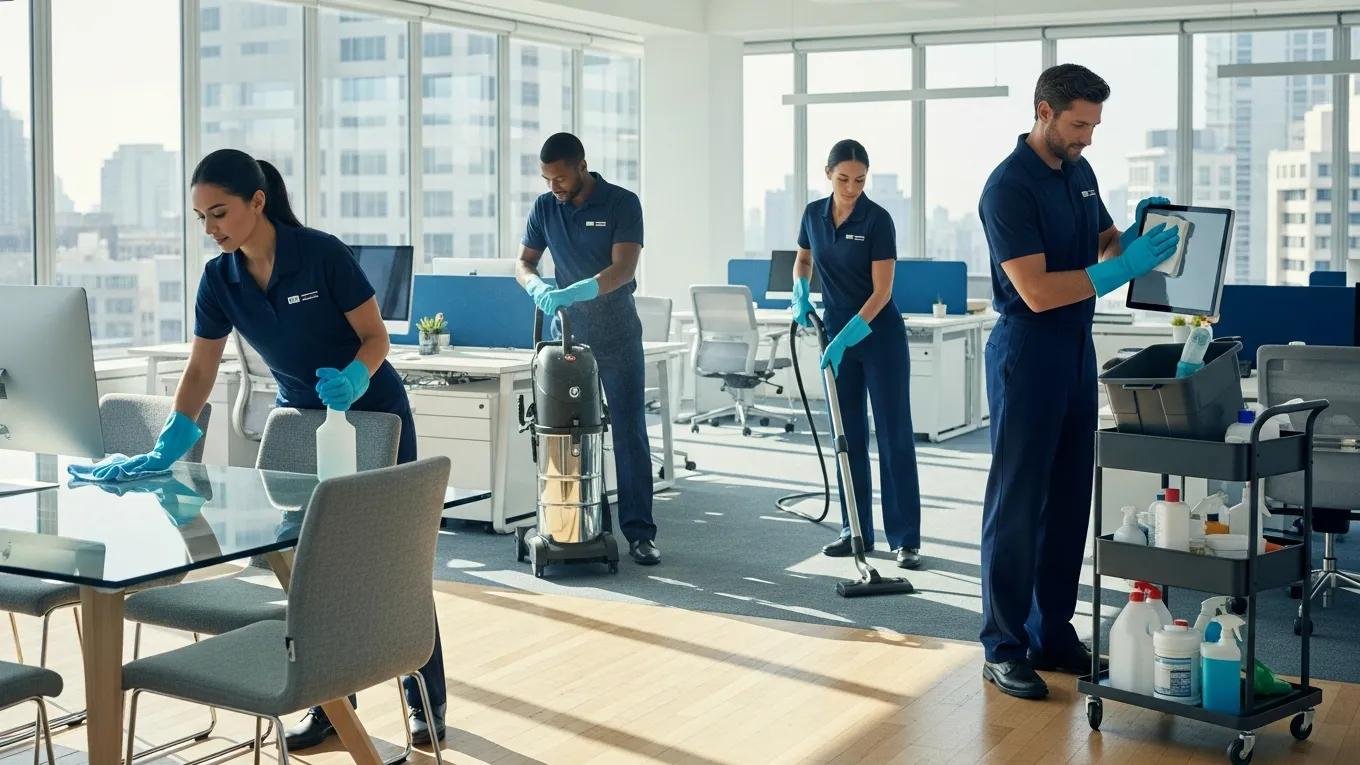
Understanding Ongoing Commercial Cleaning Costs: How Often Should You Budget for Services?
Budgeting for commercial cleaning services requires understanding payment schedules, frequency, and the main cost drivers. This guide outlines common options and factors to help you create a realistic cleaning budget.
What Are the Typical Payment Schedules for Commercial Cleaning Services?
Providers usually offer several schedules so businesses can match service level to need and cost. Common choices include:
- Daily Cleaning: Keeps high-traffic areas consistently hygienic.
- Weekly Cleaning: Balances cost with cleanliness for moderate-traffic sites.
- Bi-weekly or Monthly Cleaning: Cost-saving options for low-traffic areas while maintaining basic standards.
Choose the schedule that fits traffic patterns and budget limits.
How Do Weekly, Biweekly, and Monthly Payment Frequencies Compare?

Frequency affects both cost and cleanliness. Key differences:
- Weekly Cleaning: Higher cost but better ongoing hygiene—suitable for most offices with steady foot traffic.
- Bi-weekly Cleaning: Midpoint between cost and upkeep for lower-use sites.
- Monthly Cleaning: Lowest recurring cost; may not meet standards in busier environments.
Weigh cleanliness needs against budget to decide frequency.
What Contract Types Affect Payment Timing and Flexibility?
Common contract forms influence predictability and flexibility:
- Hourly Rate Contracts: Flexible but can vary month to month.
- Per-Square-Foot Pricing: Transparent for space-based billing; may not reflect task complexity.
- Flat Rate Contracts: Fixed monthly cost for budgeting stability; less adaptable if needs change.
Pick the model that best matches your priorities for cost control and flexibility.
Further guidance on janitorial contracting and bidding offers businesses greater clarity.
Guidelines for Janitorial Service Contracting & Bidding
The final section of the book provides guidelines for janitorial contracting. It covers defining contracting, the role of quality, competition, contract types, bids, selling services, quotations, and legal documents.
Contracting Janitorial Services. A Training and Production Model., 1983
Which Factors Influence the Cost of Regular Office Cleaning?
Key cost drivers to consider:
- Service Frequency: More visits increase total cost but improve hygiene.
- Office Size: Larger areas need more time and supplies.
- Types of Cleaning Required: Deep, specialized, or compliant cleaning (e.g., medical) costs more than routine tasks.
Account for these when estimating ongoing expenses.
How Do Service Type and Cleaning Frequency Impact Pricing?
Service scope and how often it occurs determine pricing:
- Routine Cleaning: Lower cost and can be tailored to a schedule.
- Specialized Cleaning: Commands higher rates for expertise and equipment.
- Frequency Impact: More frequent visits raise total cost but can reduce long-term degradation and maintenance needs.
Match service type and frequency to desired outcomes and budget.
What Role Do Location and Specialized Services Play in Cost Variations?
Location and industry needs affect rates:
- Regional Labor Costs: Wages and local market rates drive price differences.
- Travel Time Considerations: Remote locations can incur travel or surcharge fees.
- Industry-Specific Requirements: Regulated sectors (healthcare, labs) require compliant protocols and higher pricing.
Factor location and regulatory needs into quotes.
How Can Businesses Effectively Budget for Recurring Janitorial Services?
Follow a simple process to build a reliable budget:
- Determine Service Frequency: Base this on foot traffic and areas of use.
- Estimate Costs: Get multiple quotes to see market ranges.
- Consider Additional Services: Include periodic deep cleans, carpets, or window work in the plan.
This approach produces a practical, flexible budget.
What Budgeting Strategies Help Manage Ongoing Cleaning Expenses?

Practical strategies for control:
- Customized Quotes: Ask providers to tailor proposals to your needs and schedule.
- Understanding Pricing Models: Know the differences so you can compare offers accurately.
- Monitoring and Adjusting Budgets: Review spending and service performance periodically and adjust scope or frequency as needed.
These steps keep costs aligned with actual needs.
How Often Should You Schedule Commercial Cleaning to Balance Cost and Cleanliness?
Decide frequency using these criteria:
- Business Type: High-traffic retail or healthcare needs more frequent work.
- Employee Health: Regular cleaning reduces illness transmission in offices.
- Client Perception: Clean spaces support a professional image.
Use these factors to set a schedule that manages cost without sacrificing standards.
What Are Industry Recommendations for Cleaning Frequency?
Typical guidance by setting:
- Medical Offices: Often require daily cleaning for hygiene compliance.
- General Commercial Buildings: Weekly cleaning suits most offices.
- Low-Traffic Areas: Monthly visits can be adequate for seldom-used spaces.
Start with these recommendations and adjust for site specifics.
How Does Scheduling Affect Overall Service Value and Budgeting?
Scheduling changes both cost and value:
- Cost Implications: Frequent cleaning raises recurring costs but preserves facility condition.
- Balancing Cost and Cleanliness: Identify the point where additional visits yield diminishing returns.
- Recommendations for Effective Scheduling: Review and adjust schedules periodically to reflect usage changes.
For regulated settings, medical office cleaning ensures compliance with health standards.
Clear scheduling decisions help you allocate budget efficiently.
Frequently Asked Questions
What are the benefits of hiring a professional commercial cleaning service?
Professionals provide consistent standards, trained staff, and specialized equipment. Outsourcing frees internal teams to focus on core work while improving workplace health and image.
How can businesses assess their cleaning needs effectively?
Review foot traffic, office size and industry rules. Inspect high-use zones and collect staff feedback to set frequency and scope that fits operations.
What should businesses look for when choosing a cleaning service provider?
Check reputation and references, confirm licensing and insurance, review methods and products, and obtain detailed quotes to compare scope and price.
Are there eco-friendly cleaning options available for businesses?
Yes—many providers offer green products and sustainable practices that are non-toxic and biodegradable. Ask for details on green credentials and specific products used.
How can businesses ensure quality control in cleaning services?
Document standards in contracts, keep regular communication, use employee feedback channels, and schedule inspections or audits to verify performance.
What are the potential hidden costs associated with commercial cleaning services?
Hidden fees can include services outside the contract, last-minute requests, and travel surcharges. Clarify inclusions, exclusions, and change fees before signing.
How can businesses adjust their cleaning budgets over time?
Regularly review usage and spending, monitor foot traffic and layout changes, compare market rates, and update the service scope with your provider as needs evolve.