
Essential Medical Facility Cleaning Solutions for Safety
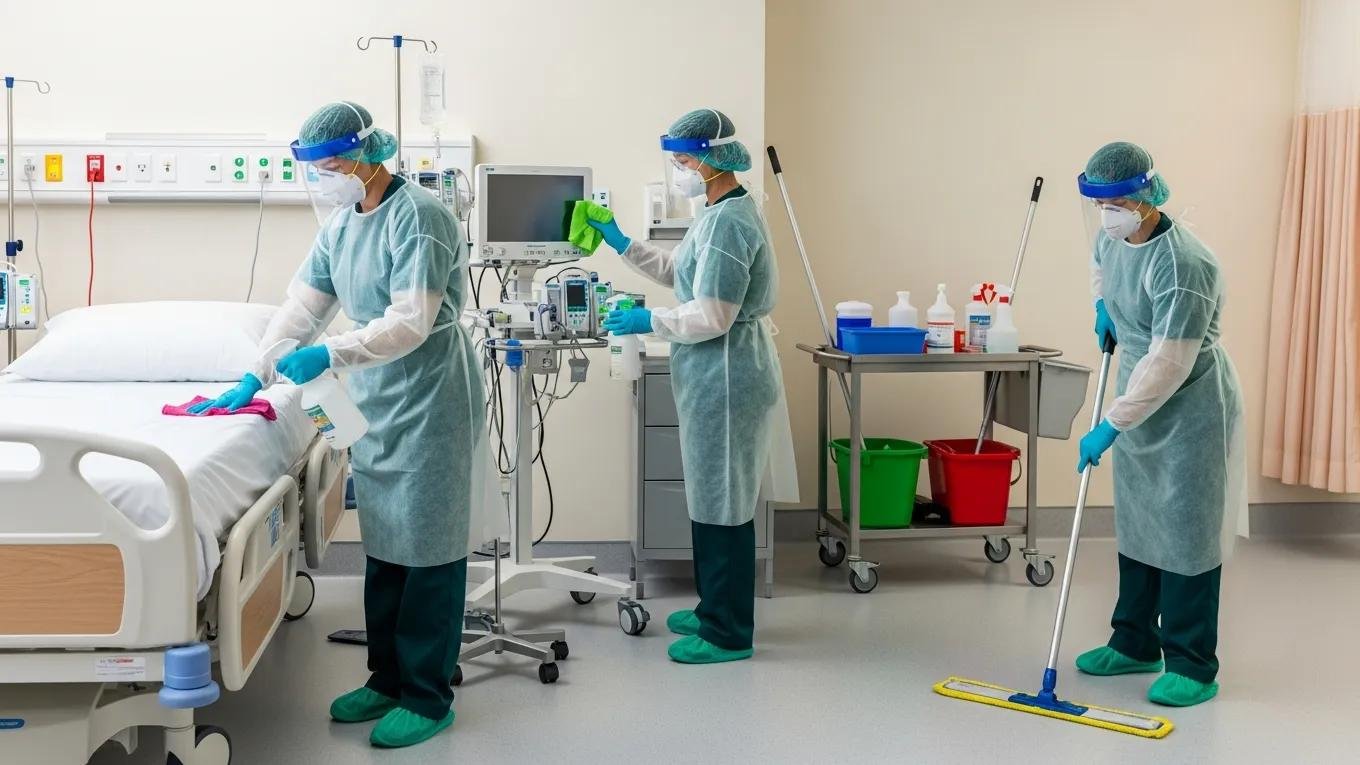
Essential Medical Facility Cleaning Solutions for Safety: Expert Infection Control and Compliance
A clean, safe environment is central to patient safety and infection control. Medical facilities need clear, practical cleaning protocols to reduce healthcare-associated infections (HAIs) and meet regulatory obligations. This article outlines core cleaning solutions, infection-control practices, and compliance essentials, and explains the role of medical office cleaning in maintaining safe clinical environments.
Evidence consistently demonstrates the important role of environmental cleaning strategies in reducing the risks associated with healthcare-associated infections.
Environmental Cleaning Strategies to Prevent Healthcare-Associated Infections
Healthcare-associated infections (HAIs) are common and frequently preventable adverse events resulting from medical care [1,2]. HAIs generate substantial financial burdens through prolonged hospital stays and additional treatment costs, and they increase morbidity and mortality [3,4]. Pathogens may be transmitted exogenously from the environment or endogenously from a patient’s own microbiota. Environmental hygiene focuses on preventing exogenous transmission in hospitals. Pathogens can persist in the healthcare environment after cleaning and remain viable [5]. One of the strongest epidemiological indicators of environmental transmission is the increased risk of infection when a prior room occupant was infected [6]. Randomized controlled trials have demonstrated that improvements in environmental cleaning can reduce HAIs [7,8].
Multimodal environmental cleaning strategies to prevent healthcare-associated infections, K Browne, 2023
Expert Infection Control Practices
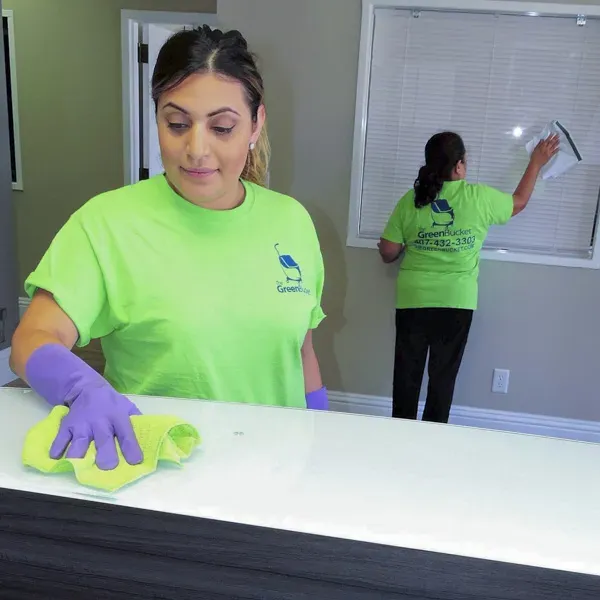
Core infection-control measures focus on consistent disinfection, correct PPE use, and trained cleaning staff. These actions reduce environmental contamination and lower transmission risk.
- Regular and Thorough Disinfection: Clean high-touch surfaces often with hospital-grade products.
- PPE Use: Appropriate PPE prevents cross-contamination during cleaning.
- Staff Training: Ongoing training keeps teams aligned with best practices.
Applied consistently, these measures form the operational foundation for safer care and regulatory compliance.
Compliance Requirements
Safe facility operation requires following authoritative guidance and using approved products. Key obligations include CDC guidance, OSHA workplace standards, and EPA-registered disinfectants.
- CDC Guidance: Follow CDC infection-control recommendations for clinical settings.
- OSHA Standards: Maintain safe working conditions and hazard controls for staff.
- EPA Registration: Use disinfectants registered with the EPA for intended pathogens.
Meeting these requirements supports consistent cleaning quality and legal compliance.
Importance of Maintaining a Safe Healthcare Environment
High cleanliness standards protect patients and preserve a facility’s reputation. Tailored cleaning plans and quality-assurance checks keep practices effective and measurable.
- Patient Safety: Clean environments reduce HAI risk and improve outcomes.
- Quality Assurance: Routine audits and metrics track cleaning performance.
- Customized Plans: Protocols should reflect facility layout, services, and risk areas.
Clear, documented practices are essential to maintain standards over time.
What Are the Key Infection Control Cleaning Practices in Medical Facilities?
Essential practices limit environmental transmission and ensure accountability:
- Regular Disinfection: Scheduled cleaning of clinical and non-clinical surfaces.
- Appropriate PPE: Gloves, masks, and gowns as required by task.
- Monitoring & Documentation: Logs and audits to verify adherence.
Documented procedures and routine oversight make these practices reliable.
How Do Disinfection Services Prevent Healthcare-Associated Infections?
Professional disinfection reduces HAIs by applying validated products and standardized protocols across clinical areas and equipment.
The effectiveness of disinfection services is critical; failures in cleaning processes can directly enable the spread of hazardous pathogens.
Evaluating Cleaning & Disinfection Effectiveness in Healthcare
Failures in the processes of cleaning and disinfecting health service surfaces may result in the spread and transfer of pathogens that are often associated with healthcare-related infections and outbreaks. Aims: To assess the effectiveness of environmental surface cleaning and disinfection in a hospital clinic.
Effectiveness of surface cleaning and disinfection in a Brazilian healthcare facility, AG Santos-Junior, 2018
- Mechanisms: Disinfectants inactivate or destroy pathogens on surfaces.
- Program Effectiveness: Regular schedules ensure consistent coverage.
- Enhanced Techniques: Methods like electrostatic spraying improve coverage.
Robust disinfection programmes reduce environmental reservoirs and HAI risk.
Which EPA-Approved Disinfectants Are Recommended for Medical Offices?
Choose EPA-registered, hospital-grade disinfectants with claims for the pathogens of concern.
- Hospital-Grade Disinfectants: Broad-spectrum products for clinical use.
- EPA Registration: Confirm registration and label instructions.
- Pathogen Effectiveness: Match products to the target organisms.
Product selection should align with facility protocols and manufacturer directions.
How Do Medical Office Sanitation Protocols Ensure Healthcare Compliance?
Sanitation protocols align daily practice with regulations and make performance auditable.
- CDC Alignment: Use CDC-recommended workflows where applicable.
- OSHA Alignment: Protect worker safety with controls and training.
- Documentation: Maintain cleaning records for accountability.
Consistent documentation and training help offices meet regulatory expectations.
What Are the Regulatory Standards for Medical Facility Cleaning?
Regulatory standards provide the baseline for safe cleaning: follow CDC, OSHA, and EPA guidance to ensure effectiveness and workplace safety.
- CDC Guidelines: Frameworks for infection prevention and environmental hygiene.
- OSHA Regulations: Worker safety, exposure control, and PPE use.
- EPA Registration: Validates disinfectant claims and use patterns.
Understanding these standards supports consistent, defensible cleaning programmes.
How Is Compliance with OSHA and CDC Guidelines Maintained?
Maintain compliance through training, documented protocols, and proper product use.
- Training: Regular instruction and refreshers for staff.
- Documentation: Cleaning logs, checklists, and audit records.
- Effective Products: Use hospital-grade disinfectants per label.
These steps support ongoing adherence to health and safety requirements.
What Are Effective Deep Cleaning Techniques for Medical Facilities?
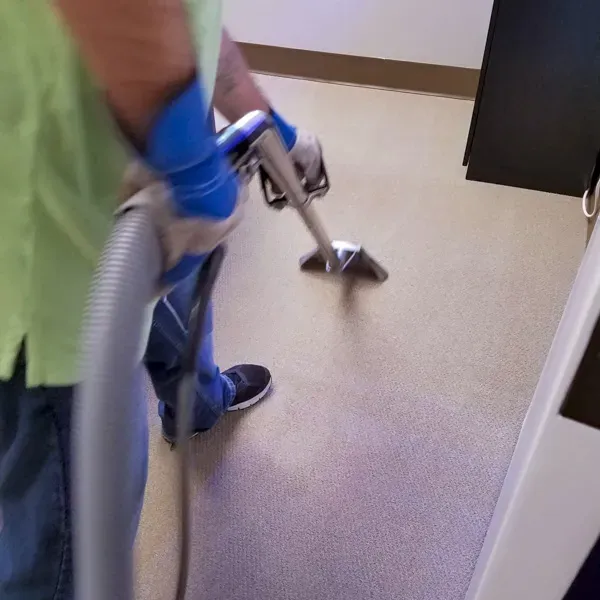
Deep cleaning combines thorough manual cleaning with technology and scheduled interventions targeted at hard-to-reach or high-risk areas.
- Thorough Disinfection: Systematic cleaning of all surfaces.
- PPE for Deep Clean: Proper protection for staff during intensive work.
- Scheduled Deep Cleans: Regular intervals and after known exposures.
Deep cleaning reduces environmental pathogen loads when performed correctly.
How Does Deep Cleaning Reduce Pathogen Presence in Clinics?
Deep cleaning uses validated disinfectants and methods to remove and inactivate organisms that routine cleaning might miss.
- Hospital-Grade Products: Proven formulations for clinical use.
- Electrostatic Technology: Improves surface coverage.
- Consistent Execution: Regular application keeps levels low.
Combined approaches lower infection risk across clinic spaces.
What Equipment and Technologies Are Used in Medical Deep Cleaning?
Effective deep cleaning deploys a mix of manual and mechanical tools chosen for their proven benefits.
- Electrostatic Disinfection: Even disinfectant distribution.
- HEPA-Filtered Vacuums: Capture fine particles and allergens.
- Microfiber Tools: Trap soil and microbes efficiently.
Choose equipment that matches facility needs and training levels.
How Do Healthcare Janitorial Services Support Medical Office Safety?
Professional janitorial teams provide routine cleaning, regulatory alignment, and documentation to support infection prevention.
- Infection Control: Implement standardised cleaning protocols.
- Regulatory Compliance: Ensure practices meet rules and guidance.
- Cleanliness Standards: Maintain agreed service levels.
Partnering with trained janitorial services strengthens operational safety.
What Are the Roles of Janitorial Services in Infection Prevention?
Janitorial teams execute daily and periodic cleaning, document activities, and undergo training to sustain effective infection-control practices.
- Use of Approved Disinfectants
- Documented Protocols
- Regular Training
These roles keep environments safer for patients and staff.
How Is Medical Waste Managed and Disposed Safely?
Safe waste management prevents contamination and meets regulatory disposal requirements.
- Segregation: Separate medical from general waste.
- Containment: Use appropriate, labeled containers.
- Disposal Procedures: Follow local and federal disposal rules.
Adherence to procedures reduces exposure risks and liability.
For comprehensive cleaning solutions tailored to your facility’s needs, consider commercial cleaning services that specialise in healthcare environments.
To receive a customised plan and pricing, request a quote from professional providers.
For intensive sanitation, deep cleaning services offer advanced techniques for thorough disinfection.
Frequently Asked Questions
What are the benefits of using hospital-grade disinfectants in medical facilities?
They are formulated to inactivate a wide range of clinical pathogens, support regulatory compliance, and reduce infection rates when used within a complete cleaning programme.
How often should deep cleaning be performed in medical facilities?
Schedule deep cleaning based on patient volume and risk: more frequently in high-traffic areas, after outbreaks, and following discharge of contagious patients.
What training is required for cleaning staff in medical facilities?
Staff need training on infection-control protocols, correct PPE use, product instructions, and refresher sessions to stay current with guidance.
What role does technology play in enhancing cleaning effectiveness in healthcare?
Technology—such as electrostatic disinfection and HEPA-filtered vacuums—improves coverage, reduces airborne particles, and assists monitoring and documentation.
How can healthcare facilities ensure compliance with cleaning regulations?
Implement structured protocols aligned with CDC and OSHA, use EPA-registered products, keep detailed records, and perform regular audits and staff training.
What are the consequences of inadequate cleaning in medical facilities?
Poor cleaning increases HAI incidence, raises treatment costs, risks penalties, and damages reputation; rigorous protocols protect patients and operations.
What should be included in a customized cleaning plan for a medical facility?
Start with an assessment of services and risk areas, define frequencies and products, include staff training, monitoring, documentation, and compliance checks tailored to the facility.