
Understanding Health and Safety Standards in Cleaning Services
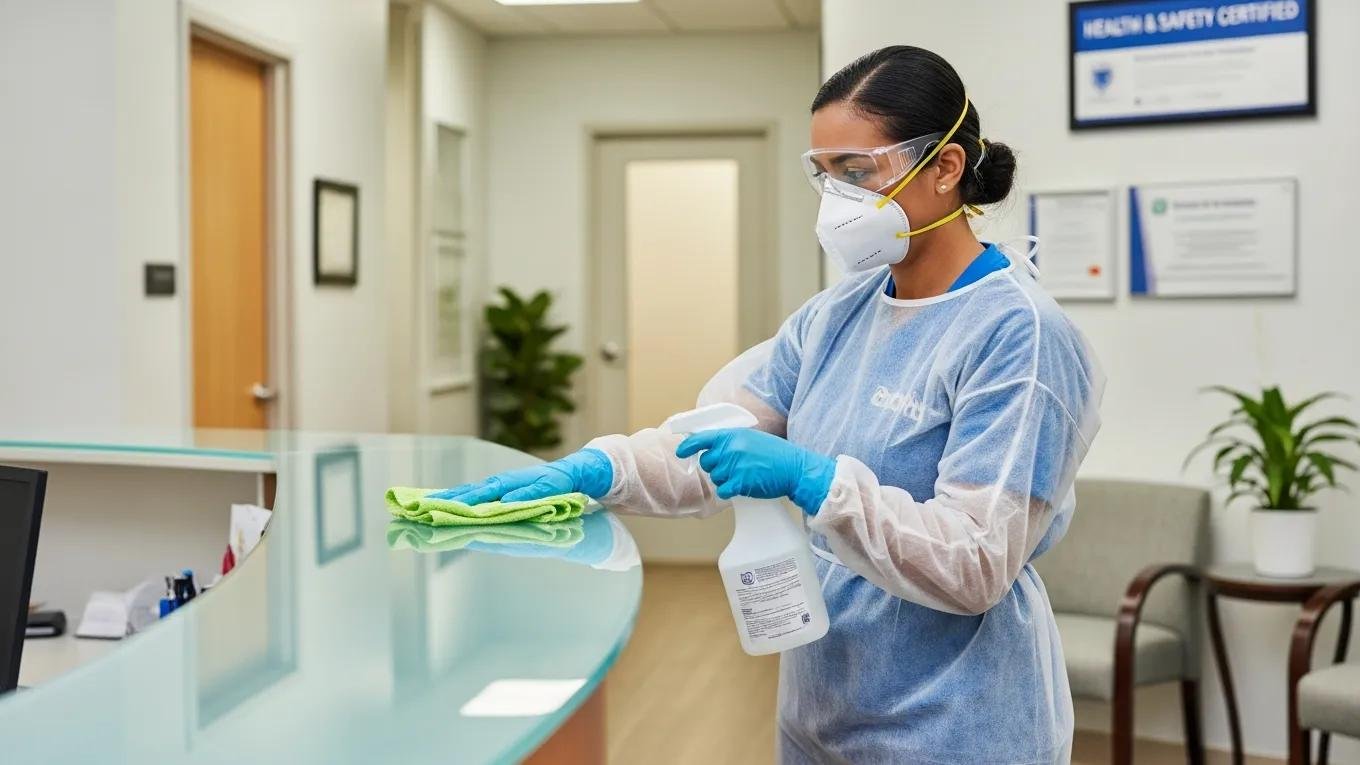
Understanding Health and Safety Standards in Cleaning Services: Essential Protocols and Compliance
Health and safety standards in cleaning services protect workers and clients by reducing risks associated with cleaning, especially in sensitive environments like medical offices and commercial premises. This article summarises core protocols, compliance obligations, and practical measures cleaning providers should follow to maintain safe, efficient operations.
Where staff may encounter hazardous materials or pathogens, adherence to standards is essential. The sections below outline key protocols, regulatory references, and actionable steps for safer cleaning operations.
Essential Protocols
Foundational practices include hospital‑grade disinfection, correct use of personal protective equipment (PPE), and documented cleaning procedures to ensure consistency and worker protection.
- Hospital-Grade Disinfection: Use disinfectants rated for healthcare settings to reliably eliminate pathogens on surfaces.
- Use of PPE: Gloves, masks and eye protection reduce exposure to chemicals and infectious agents when used correctly.
- Documented Cleaning Protocols: Clear, written procedures ensure tasks are done consistently and support accountability.
Compliance Requirements
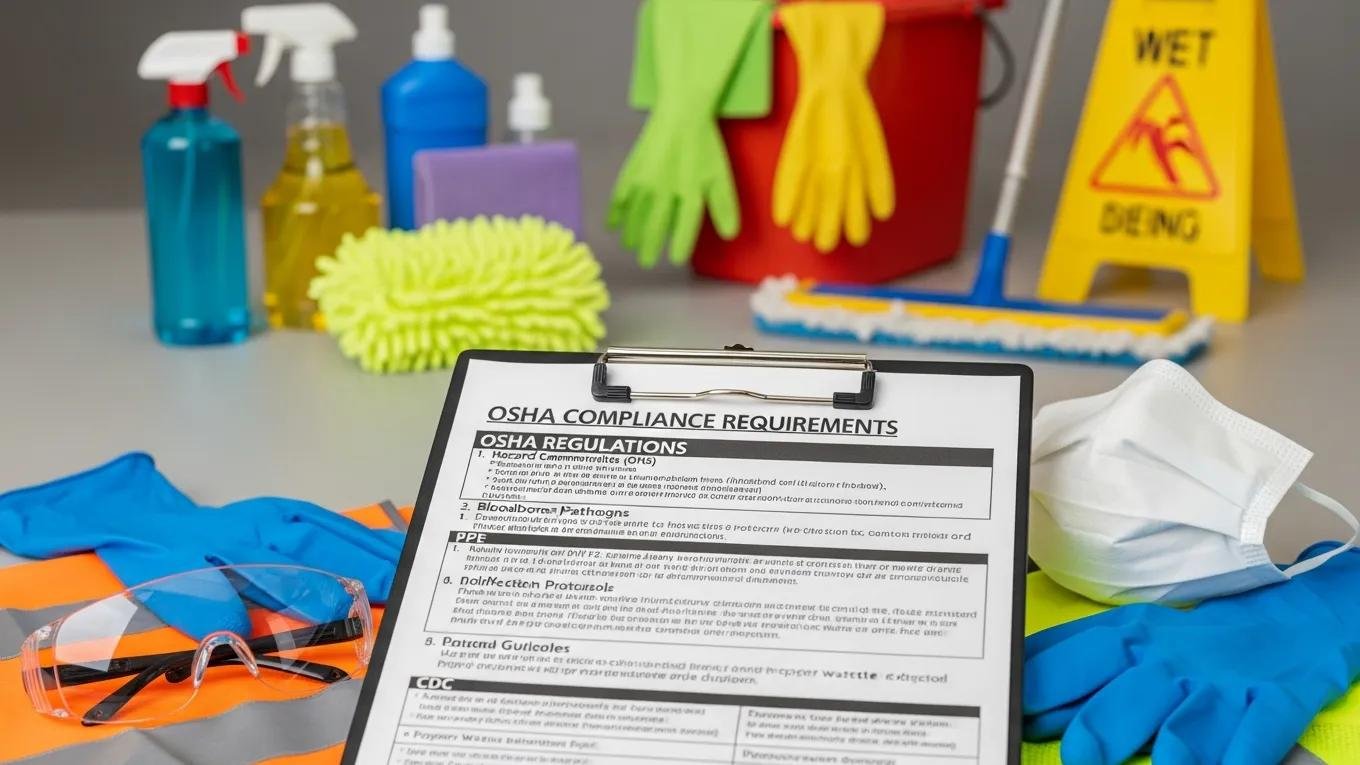
Compliance with OSHA and CDC guidance (and any local rules) is mandatory; procedures must reflect those standards to protect employees and clients. For providers that follow rigorous protocols, consider commercial cleaning options that meet these requirements.
- OSHA Regulations: Provide training, hazard controls, and safety equipment as required for workplaces.
- CDC Guidelines: Follow infection‑control recommendations for cleaning and disinfection, especially in healthcare contexts.
- Documentation and Record-Keeping: Maintain records of cleaning activities, audits, and training to demonstrate compliance.
Best Practices for Maintaining Safety
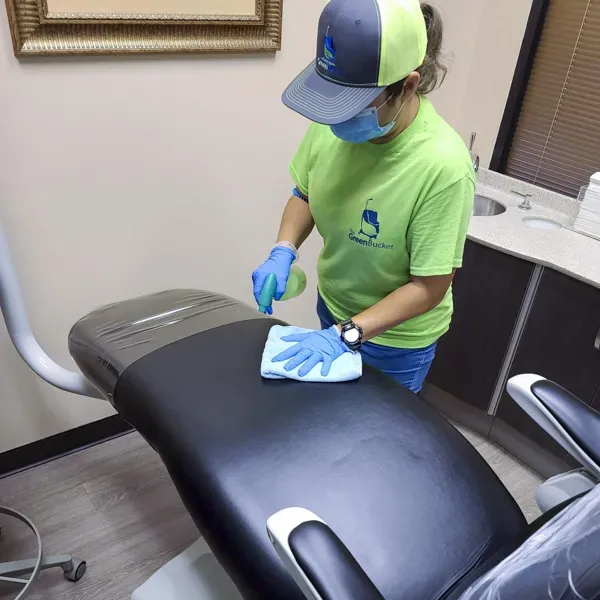
Practical measures reduce risk and standardise outcomes: disinfect frequently, use colour‑coded tools, and perform regular safety audits.
- Frequent Disinfection: Target high‑touch surfaces on a scheduled basis to lower infection risk.
- Use of Color-Coded Cleaning Tools: Assign tools to zones (e.g., restrooms vs. kitchens) to prevent cross‑contamination.
- Regular Safety Audits: Inspect procedures and corrective actions regularly to keep standards current.
What Are the Key Cleaning Safety Protocols Every Service Should Follow?
Core protocols are regulatory compliance, correct PPE use, and ongoing staff training to ensure consistent, safe practice.
- Regulatory Compliance: Meet applicable local, state and federal rules to operate safely and lawfully.
- Use of PPE: Ensure staff are trained to select and use PPE appropriate to tasks and risks.
- Training and Education: Keep training current so staff apply protocols correctly and recognise hazards.
How Do Cleaning Staff Use Personal Protective Equipment Effectively?
Effective PPE use combines appropriate selection, correct donning/doffing, and routine maintenance to protect staff from hazards.
- Types of PPE: Gloves, masks, eye protection and specific garments address distinct risks.
- Training on PPE Usage: Teach correct procedures for putting on, removing and inspecting PPE.
- Compliance with Standards: Align PPE practices with OSHA/CDC guidance and manufacturer instructions.
Which Procedures Ensure Chemical Safety During Cleaning?
Chemical safety requires approved product selection, safe handling and storage, and clear emergency response steps for exposures.
- Use of Hospital-Grade Disinfectants: Choose products suitable for the environment and follow label directions.
- Proper Chemical Handling: Train staff on dilution, use, storage and spill response to minimise incidents.
- Regular Training and Updates: Refresh training when products or procedures change to maintain safe practice.
Which Regulations and Certifications Govern Cleaning Service Compliance?
OSHA and CDC guidance set baseline requirements; industry certifications provide frameworks to demonstrate quality and consistency.
- OSHA Regulations: Define workplace safety obligations for employers and staff.
- CDC Guidelines: Inform infection prevention and cleaning protocols for public and healthcare settings.
- Certification Bodies: Programs such as CIMS and ISSA certify systems and processes that improve safety and quality.
What Are OSHA and CDC Guidelines for Cleaning Services?
Both emphasise using appropriate PPE, regular disinfection of high‑touch areas, and maintaining documentation of activities and training.
- PPE Requirements: Use PPE matched to the hazard and train staff in its use.
- Frequent Disinfection: Prioritise surfaces and follow recommended contact times and product use.
- Documentation: Keep clear records of cleaning schedules, audits and training for accountability.
How Do Certifications Like CIMS and ISSA Enhance Safety Standards?
Certifications supply structured best‑practice frameworks, help measure performance, and signal commitment to safety and quality.
- Impact of Certifications: Provide repeatable systems that improve consistency and efficiency.
- Examples of Impact: Certified providers commonly show stronger compliance and client satisfaction.
- Benefits of Compliance: Certification can strengthen reputation and support business growth.
How Is Infection Control Implemented in Medical and Commercial Cleaning?
Combine targeted training, hospital‑grade disinfectants and documented procedures to maintain consistent infection control.
- Training and Education: Ensure staff understand infection‑prevention priorities and techniques.
- Hospital-Grade Disinfection: Use approved products and follow labelled instructions for contact time.
- Documented Cleaning Procedures: Standardise tasks to reduce variation and enforce accountability.
What Specific Protocols Are Required for Medical Office Cleaning?
Medical offices need thorough disinfection, correct waste handling, and consistent PPE use; specialised providers can offer tailored protocols via medical office cleaning.
- Thorough Disinfection: Clean clinical areas frequently and follow product guidance.
- Proper Waste Disposal: Follow required procedures for clinical and regulated waste.
- Use of PPE: Maintain consistent PPE use and training; specialised services provide tailored protocols.
How Do Cleaning Services Manage Risk Assessment and Hazard Control?
Identify hazards, assess risk levels, and implement controls (elimination, substitution, engineering, administrative, PPE) based on assessments.
- Hazard Identification: Regularly scan sites for chemical, biological and physical hazards.
- Risk Assessment: Evaluate likelihood and severity to prioritise controls.
- Implementation of Safety Measures: Apply controls and monitor their effectiveness over time.
What Training and Safety Audits Are Necessary for Cleaning Staff?
Strong training and routine audits ensure staff competence and reveal gaps that require corrective action to maintain compliance.
- Types of Training Programs: Combine initial, task‑specific and refresher training for sustained competence.
- Audit Processes: Use scheduled audits to verify procedures and record findings.
- Compliance Requirements: Document training and audits to meet regulatory and client expectations.
How Are Cleaning Staff Trained on Health and Safety Standards?
Use structured sessions with clear task definitions and practical demonstrations, emphasising high‑touch areas and correct techniques.
- Structured Training Sessions: Plan modules that cover tasks, risks and controls.
- Clear Task Definitions: Provide written instructions and checklists to guide work.
- Focus on High-Touch Areas: Reinforce cleaning priorities to reduce transmission risks.
What Role Do Safety Audits Play in Maintaining Compliance?
Audits identify hazards and process gaps, require documentation of findings, and drive corrective actions that raise health and safety performance.
- Audit Processes: Inspect procedures, equipment and recordkeeping to confirm standards are met.
- Documentation and Reporting: Keep clear audit records to demonstrate corrective actions and compliance.
- Impact on Health and Safety Standards: Regular audits support continuous improvement and client confidence.
For businesses seeking reliable cleaning solutions, janitorial services can provide comprehensive programmes aligned with these safety standards.
Frequently Asked Questions
What are the benefits of using hospital-grade disinfectants in cleaning services?
Hospital‑grade disinfectants meet higher efficacy standards and reduce pathogen risk, protecting staff and clients while signalling rigorous cleaning practices.
How can cleaning services ensure compliance with OSHA regulations?
Provide documented training, supply appropriate PPE, perform regular safety audits, and retain records of training and corrective actions to demonstrate compliance.
What role does ongoing training play in maintaining health and safety standards?
Ongoing training keeps staff current on procedures and hazards, reinforces correct techniques and supports consistent application of safety measures.
How do color-coded cleaning tools help in preventing cross-contamination?
Color‑coding assigns tools to specific zones (for example, restrooms vs. kitchens), reducing the chance of transferring contaminants between areas.
What are the key components of a safety audit in cleaning services?
A safety audit reviews hazard identification, compliance with procedures, recordkeeping and corrective actions to confirm standards are met.
How can cleaning services improve their infection control measures?
Strengthen training, use approved disinfectants correctly, target high‑touch surfaces, update procedures to follow CDC guidance, and audit regularly to close gaps.
What certifications should cleaning services pursue to enhance their credibility?
Pursue recognised industry certifications such as CIMS and ISSA to demonstrate adherence to documented best practices and quality systems.