
Discover the Benefits of Deep Cleaning Offices
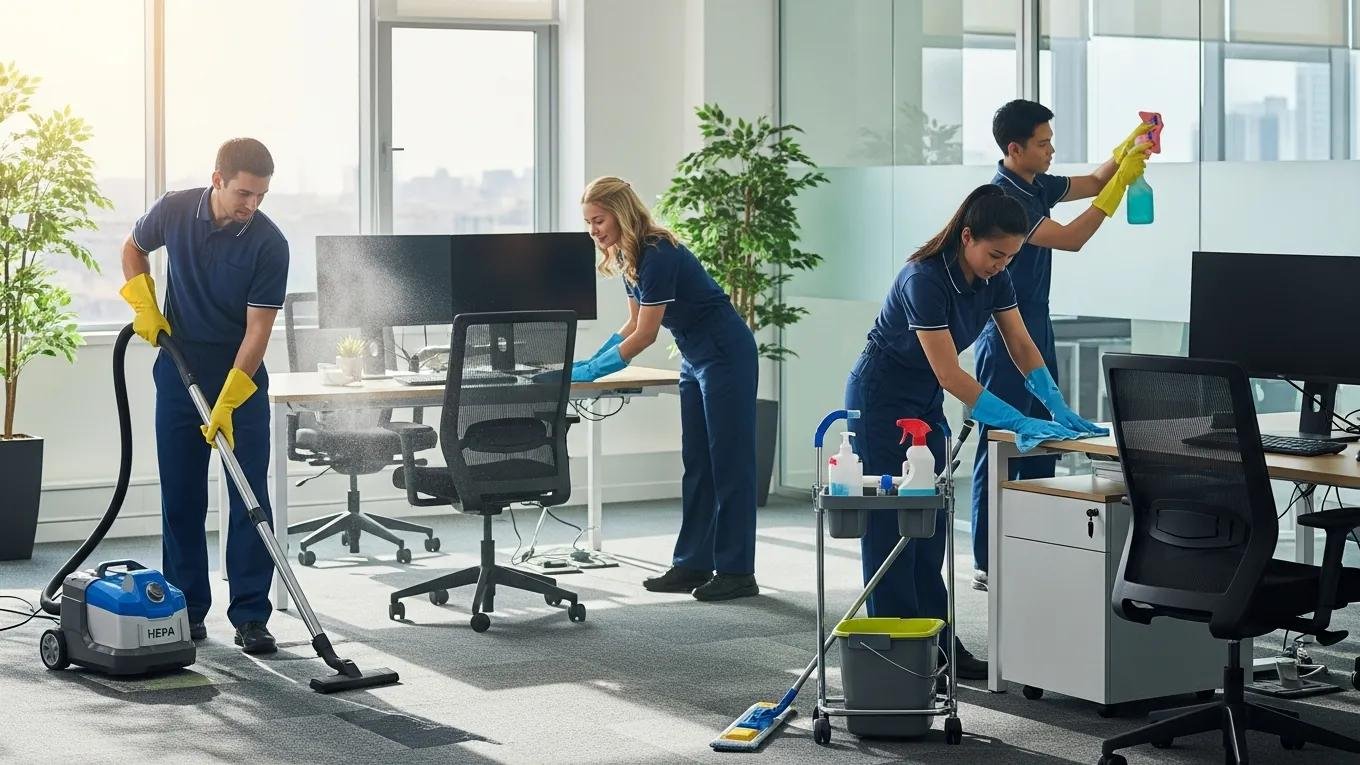
Discover the Benefits of Professional Office Deep Cleaning Services
A clean, hygienic office protects employee health and boosts productivity. Deep cleaning removes hidden dirt, allergens and pathogens that routine cleaning misses. This article explains the benefits of deep cleaning offices, from health and productivity gains to long‑term cost savings, the sanitation standards met, and why eco‑friendly products matter for workplace hygiene.
Research consistently demonstrates a direct link between workplace cleanliness and improved employee outcomes.
Workplace Cleanliness Boosts Employee Health & Productivity
Workplace cleanliness does more than create a pleasant environment — it directly affects employee health, focus, and morale. Studies across multiple fields confirm that consistent daily cleaning routines reduce illness, lower absenteeism, and improve workplace satisfaction. These are not abstract benefits; they are measurable, tangible outcomes that strengthen the productivity and longevity of teams.
Daily Cleaning Habits That Keep Employees Healthy
Health Improvements
Deep cleaning reduces allergens, pathogens and contaminants, improving indoor air quality and lowering exposure risks. Over time it can cut illness transmission and support a healthier workforce.
Impact on Employee Well-Being

A well‑maintained office lowers stress and helps employees focus. Clean, organised spaces link to better job satisfaction and mental health, increasing motivation and supporting a positive workplace culture.
Reduction of Allergens
Deep cleaning removes dust, mold, pet dander and other allergens that trigger respiratory problems. HEPA filtration and certified eco‑friendly products capture allergens more effectively than routine cleaning, helping employees with allergies or asthma.
Further studies corroborate the measurable effect of workplace cleanliness on common health complaints.
Office Cleanliness & Worker Health: Impact of Dust & Fungi
In multivariate analyses, eye irritation was positively correlated with floor dust [odds ratio (OR) = 1.46; 95% confidence intervals (CI), 1.14-1.86] and reported lack of office cleanliness (OR = 1.52; 95% CI, 1.11-2.08). Nonspecific symptoms were positively associated with unidentified chair fungi (OR = 1.87; 95% CI, 1.11-3.15) and several self-reported conditions, including a history of asthma (OR = 3.15; 95% CI, 1.26-7.87), more people in offices (OR = 1.71; 95% CI, 1.16-2.51), lack of office cleanliness.
The work environment and workers’ health in four large office buildings, HJ Chao, 2003
Prevention of Illness
Regular deep cleaning lowers surface pathogen levels and transmission risk. Using hospital‑grade disinfectants and proven protocols limits the spread of contagious agents, reducing sick days and absenteeism.
Productivity Boosts
Cleaner, organised workspaces cut distractions and improve focus. A well‑maintained environment reinforces professionalism and pride, boosting morale and productivity.
Long-Term Cost Savings
Planned deep cleaning extends the life of furniture and equipment, reducing replacement costs. Predictable schedules and budgets prevent unplanned maintenance and deliver measurable long‑term savings.
What Are the Key Health Benefits of Office Deep Cleaning?
Deep cleaning reduces illness transmission, improves air quality, and controls allergens—key outcomes for a safer workplace.
These outcomes show why routine deep cleaning is a practical investment in employee health and organisational performance.
How Does Deep Cleaning Reduce Employee Illness and Sick Days?
Removing pathogens and allergens from surfaces and air lowers exposure and transmission. Better air quality and surface hygiene mean fewer contagious episodes and fewer sick days.
Which Office Sanitation Standards Are Met by Deep Cleaning Services?
Deep cleaning follows strict sanitation standards requiring thorough cleaning and disinfection of all areas. It commonly uses hospital‑grade disinfectants and targets high‑touch surfaces to control germ transmission.
Meeting these standards depends on a systematic method and clear operational guidance as outlined in workplace sanitation best practices.
Workplace Sanitation: SOPs for High-Performing Environments
Clean, safe, high-performing workplaces aren’t an accident. They’re the result of clear priorities, simple routines, and tight feedback loops. This playbook turns the evidence base into a field-ready standard operating procedure (SOP) your teams can execute in minutes—not hours—each day. You’ll get: a tiered prioritization model, a 7-step sanitation method, chemistry and material guidance, area-specific micro-SOPs, QA you can finish in under 15 minutes a week, and a 30/60/90-day rollout plan.
How to Sanitize High-Touch Surfaces in Workplaces
What Disinfection Protocols Are Used in Professional Office Cleaning?
Professional services use standardised disinfection protocols, including EPA‑registered disinfectants, routine staff training, and targeted cleaning of high‑touch areas.
- Use of EPA-Registered Disinfectants: Ensures effective elimination of pathogens.
- Regular Staff Training: Keeps cleaning staff updated on best practices and safety measures.
- Targeted High-Touch Surface Disinfection: Focuses on frequently touched areas to minimize germ transmission.
Consistent application of these protocols sustains high sanitation performance across the workplace.
How Does Deep Cleaning Improve Overall Office Hygiene?
Deep cleaning reaches carpets, upholstery and hard‑to‑reach surfaces missed by routine maintenance. This reduces respiratory complaints and supports better employee health and productivity.
How Often Should Offices Schedule Deep Cleaning Services?
Schedule deep cleaning monthly or quarterly based on foot traffic, business activity and facility needs. A regular cadence keeps hygiene levels consistent and supports employee health.
What Factors Influence the Cost and Frequency of Deep Cleaning?
Cost and frequency depend on practical factors:
- Type of Business: Different industries have different cleaning needs.
- Foot Traffic: Higher foot traffic requires more frequent cleaning.
- Facility Size: Larger facilities cost more to clean.
Assess these factors to plan appropriate cleaning intervals and budgets.
Why Choose Eco-Friendly Deep Cleaning Solutions for Your Office?
Eco‑friendly deep cleaning reduces environmental impact and can improve indoor air quality. Green products limit employee exposure to harsh chemicals while still cleaning effectively. For sustainability-minded organisations, commercial cleaning with eco‑friendly products is a practical option.
How Do Green Cleaning Products Enhance Workplace Safety?
Green products improve air quality and lower exposure to toxic substances. They are effective while posing lower health risks, helping organisations keep workplaces safer for employees.
For offices requiring ongoing maintenance, office cleaning services provide customised programs to keep workspaces clean and safe.
Frequently Asked Questions
What is the difference between regular cleaning and deep cleaning services?
Regular cleaning covers surface tasks like dusting, vacuuming and emptying bins. Deep cleaning focuses on comprehensive sanitation, removing hidden dirt, allergens and pathogens from hard‑to‑reach areas using specialised techniques and products to reduce health risks.
How can deep cleaning services contribute to employee morale?
Deep cleaning creates a cleaner, more orderly workplace, reducing distractions and stress. When employees see a clear commitment to cleanliness and well‑being, it fosters pride, respect and higher job satisfaction.
Are eco-friendly cleaning products as effective as traditional ones?
Yes. Many eco‑friendly products are formulated to remove dirt, germs and allergens effectively without harsh chemicals. They meet established cleaning standards and reduce the risk of chemical exposure while achieving good cleaning results.
What should businesses look for when choosing a deep cleaning service?
Choose providers with relevant experience, strong reputation and a clear service range. Verify protocols, the use of eco‑friendly and hospital‑grade products, certifications and customer reviews, and ensure they can tailor services to your facility.
How can deep cleaning impact employee retention rates?
Deep cleaning supports a healthier, more comfortable workplace, reducing illness-related absences and maintaining productivity. Employees who feel valued and safe are likelier to stay, so a commitment to cleanliness can improve retention.
What are the signs that an office needs deep cleaning?
Signs include visible dust build‑up, persistent odors, frequent employee illnesses, or allergens such as mold or pet dander. Complaints about cleanliness or worn high‑touch areas also indicate the need for a deep clean. Regular assessments help address these issues early.