
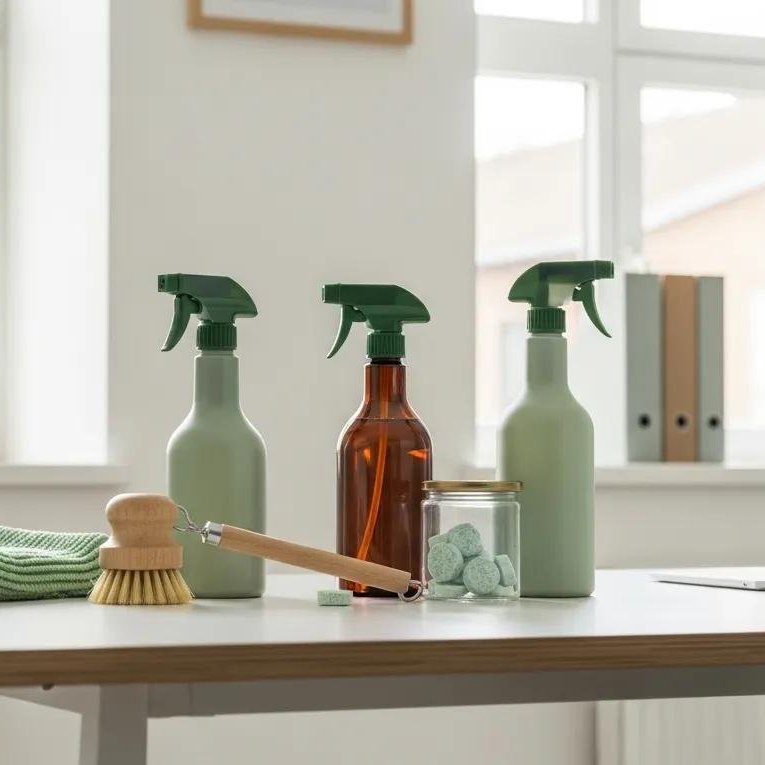
The cleaning methods applied within commercial environments not only affect the immediate aesthetic appeal but also have significant implications for employee well-being and environmental health. This guide will delve into critical aspects such as the key differences, specific benefits of green cleaning, and the efficacy of various cleaning products. Furthermore, we will provide insights into the eco-friendly solutions available and the considerations necessary for a successful transition from traditional to green cleaning practices.
Comparison Guide: Green vs. Traditional Commercial Cleaning
When assessing the best approach to commercial cleaning, understanding the differences between green and traditional methods is crucial. Green cleaning focuses on using environmentally friendly products that minimize health risks and reduce environmental impact. In contrast, traditional cleaning often relies on harsh chemicals that can pose health hazards and contribute to pollution.
Key Differences
The key differences between green and traditional cleaning methods center around the products used and their impact on health and the environment. Traditional cleaning utilizes strong synthetic chemicals that can efficiently eliminate dirt and germs but often leave behind toxic residues. In contrast, green cleaning employs biodegradable cleaners, plant-based disinfectants, and low-VOC (volatile organic compounds) formulas, ensuring a safer environment for both workers and clients.
Moreover, traditional cleaning can lead to increased indoor air pollution, while green methods promote better indoor air quality. Green cleaning solutions not only aid in achieving a clean space but also contribute to the overall health of employees, ultimately enhancing productivity and morale.
Benefits of Green Commercial Cleaning
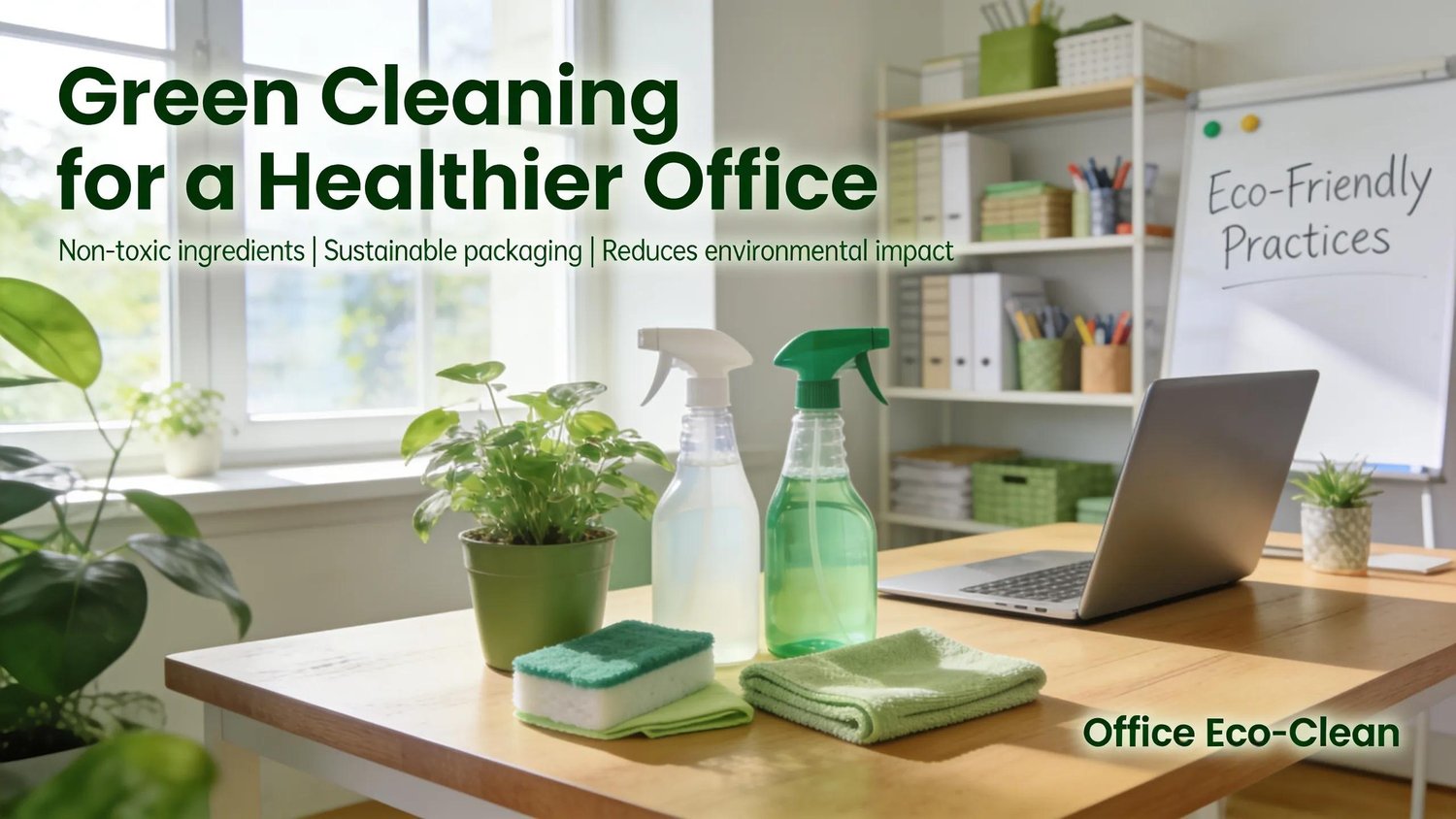
Adopting green cleaning practices within a commercial setting yields several benefits that extend beyond aesthetic improvements. Firstly, green cleaning enhances employee health by reducing exposure to harmful substances, leading to lower rates of absenteeism due to health issues. Additionally, this approach positively impacts a company’s brand image, as more consumers value eco-friendly practices.
Financially, while the initial investment in green cleaning products can be higher, businesses often experience cost savings over time due to reduced healthcare costs and improved employee retention. Furthermore, many green cleaning products tend to be concentrated, allowing businesses to use smaller amounts for significant cleaning results.
Eco-Friendly Solutions for Businesses
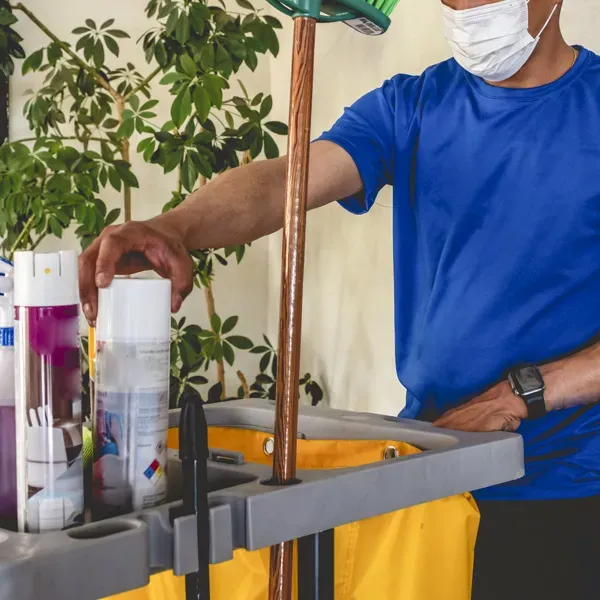
Businesses seeking to adopt eco-friendly cleaning solutions have access to a variety of products that cater to different cleaning needs. These include biodegradable products, plant-based disinfectants, and low-VOC formulas that provide effective alternatives without compromising safety.
Investing in quality green cleaning products can yield better results for overall sanitation while aligning with sustainability goals. Quality brands that prioritize eco-friendly formulations ensure that each cleaning task contributes positively toward both the workplace environment and the broader ecosystem.
Research into Green Chemistry highlights solutions to mitigate negative impacts of traditional cleaning products.
Green Chemistry: Mitigating Cleaning Product Impacts
ABSTRACT: Purpose: This review is not intended to critically address the existing literature on the dual impacts of conventional cosmetics and cleaning products on human microbiome and planetary health, such as ecotoxicity, biodegradability issues and pollution. It will also assess the potential, impacts, successes and limitations of green chemistry principles and circular economy models as integrated solutions to mitigate these negative impacts. The Hidden Cost of Cleanliness and Beauty: How the Microbiome Impacts Our Health and the Planet and Solutions through Green Chemistry and the Circular …, Y Budak, 2025
Considerations for Transitioning
When transitioning from traditional to green cleaning methods, businesses should consider several factors. Primarily, cost factors must be evaluated; while the initial expenditure might be higher, analyzing long-term benefits is essential. Staff training is another critical element, as effective green cleaning requires proper techniques and a thorough understanding of product use.
Additionally, it’s vital to regularly assess cleaning frequencies and methodologies to ensure optimal standards and practices are maintained. This strategic approach can make the transition smoother and more successful. For those looking into comprehensive services, exploring commercial cleaning options can provide structured support.
Key Differences: Green vs. Traditional Commercial Cleaning
The key differences between green and traditional cleaning methods highlight not only the choice of cleaning agents but also their broader consequences. Green cleaning focuses on products sourced from natural ingredients that are less likely to harm individuals or environments. Traditional methods often utilize more potent chemical solutions that can contribute to both indoor air pollution and health issues for employees.
As businesses become increasingly aware of their environmental impact, the preference for green cleaning solutions grows. Green cleaning practices not only fulfill hygiene standards but also enhance workplace comfort and health, making them an invaluable choice for modern commercial environments.
How Do Green Cleaning Products Compare to Traditional Chemicals in Safety and Sustainability?
Green cleaning products are often regarded as safer alternatives due to their chemical composition. Traditional cleaning agents, while effective at sanitizing surfaces, can contain carcinogenic and neurotoxic compounds that pose significant health risks. In contrast, green products leverage the power of nature, using enzymes and plant-based formulas that are less harmful to humans and ecosystems alike.
In terms of sustainability, green cleaning products typically achieve higher standards of environmental responsibility. Their biodegradable nature ensures that they break down without causing pollution, supporting a healthier planet.
What Are the Health Impacts of Green Cleaning Versus Traditional Methods?
The health impacts of cleaning methods are significant, with green cleaning presenting numerous advantages. Research indicates that workplaces utilizing green cleaning experience lower rates of respiratory issues, allergies, and chemical sensitivities. These benefits translate directly to employee productivity, as safer environments foster better health and morale.
Traditional cleaning methods often compromise employee well-being by exposing them to harmful volatile compounds that linger long after cleaning is completed. By switching to green alternatives, businesses take a proactive approach to safeguarding their workforce.
How Does Green Cleaning Reduce Environmental Footprint and Promote Sustainability?
Green cleaning plays a critical role in reducing the environmental footprint of commercial cleaning practices. By choosing eco-friendly products, businesses contribute to lower emissions of harmful compounds into the atmosphere while preserving local ecosystems. This deliberate choice promotes sustainability, as many green products utilize renewable resources and minimize waste through concentrated formulations.
Furthermore, green cleaning aligns with global sustainability goals by reducing water usage and energy consumption, showcasing a commitment not only to profit but to planetary health as well.
What Cost Savings and Operational Advantages Do Green Cleaning Services Offer?
Utilizing green cleaning services can offer businesses notable cost savings over time. Although initial expenditures may be higher, the reduction in absenteeism due to healthier work environments can lead to significant savings. Moreover, eco-friendly cleaning products generally require smaller amounts to achieve the same results as traditional chemicals, enhancing operational efficiency.
Additionally, companies adopting green practices often experience enhanced reputation and customer loyalty, which can translate into increased profitability in the long term.
Which Traditional Cleaning Methods Are Commonly Used in Commercial Settings?
Common traditional cleaning methods in commercial environments involve the use of chemical-heavy products that promise quick results. These methods are usually efficient in immediate surface cleaning but can overlook long-term health implications and environmental sustainability.
Routine cleaning protocols often include the use of multi-surface cleaners, bleach products, and strong disinfectants, which, while effective, compromise air quality and contribute to harmful residues.
What Chemicals and Practices Define Conventional Commercial and Janitorial Cleaning?
Conventional commercial cleaning heavily relies on chemicals such as ammonium compounds, phenolics, and bleach. These substances effectively eliminate contaminants but can also pose serious health risks when inhaled or absorbed through the skin.
Practices in traditional cleaning often emphasize immediate results over long-term safety, prioritizing visible cleanliness without addressing underlying health issues that can arise from toxic residues. For specific services, janitorial services are commonly employed in this manner.
How Do Traditional Methods Affect Workplace Health and Safety Compared to Green Cleaning?
Traditional cleaning methods can have detrimental effects on workplace health and safety, exposing employees to hazardous chemicals that lead to respiratory issues, skin irritations, and long-term health complications.
In stark contrast, green cleaning practices prioritize safety by using environmentally friendly products that significantly reduce health risks. By minimizing exposure to harmful chemicals, green cleaning fosters a safer workplace where employees can thrive.
How Do Green Commercial Cleaning Services Adapt to Different Industry Needs?
Green commercial cleaning services adapt to various industry requirements through tailored approaches that consider unique cleaning needs. For example, in the medical sector, stringent sanitation protocols may involve specialized medical office cleaning solutions that ensure compliance without compromising safety.
Furthermore, adaptable cleaning schedules and customized cleaning packages allow businesses across sectors to maintain high hygiene standards while promoting sustainability.
What Specialized Approaches Are Used in Medical Office and Deep Cleaning Services?
Specialized approaches in medical and deep cleaning services incorporate rigorous standards necessary for safety and sanitation. These services employ advanced green cleaning products that effectively eliminate pathogens without the adverse effects of chemical fumes or residues, ensuring a safe environment for both patients and staff.
Innovative techniques such as steam cleaning and HEPA-filtered vacuums further reinforce the commitment to both hygiene and eco-friendliness within such sensitive environments. This often includes comprehensive deep cleaning services.
How Are Customized Cleaning Packages Designed for Offices and Commercial Facilities?
Customized cleaning packages for offices and commercial facilities take into account the specific requirements and schedules of each business. By assessing high-traffic areas and understanding the unique operations of a facility, service providers can develop tailored cleaning strategies that enhance initial sanitation and ongoing maintenance.
These packages often incorporate flexible cleaning frequencies, allowing for adaptability as business needs evolve, ensuring a consistently clean and healthy environment.
Where Can Businesses Find Quality Green Cleaning Services and Products in Their Region?
When seeking quality green cleaning services and products, businesses can explore local directories, industry reviews, and service comparisons online. Many providers specialize in eco-friendly cleaning options, making it easier for organizations to identify those aligned with their sustainability goals.
Furthermore, partnerships with eco-certifying organizations can help ensure the legitimacy and efficacy of green products and services utilized.
How Do Location and Industry Influence the Availability of Eco-Friendly Cleaning Solutions?
Location and industry significantly influence the accessibility of eco-friendly cleaning solutions. In urban areas, businesses often find a diverse range of options, including specialized services that cater to specific industry needs. Conversely, businesses in remote locations may face challenges in sourcing quality green cleaning products.
The industry also plays a crucial role; sectors heavily scrutinized for environmental impact, such as hospitality and healthcare, tend to have more available green options compared to others.
What Certifications and Standards Should Businesses Look for in Green Cleaning Providers?
When assessing green cleaning providers, businesses should look for certifications such as Green Seal, EPA Safer Choice, or similar eco-labels that indicate adherence to environmental standards. These certifications assure clients that the products used are effective while meeting sustainability criteria.
Moreover, overall quality assurance protocols and training programs for staff make a substantial difference in the success of green cleaning initiatives.
How Can Businesses Choose Between Green and Traditional Commercial Cleaning?
Choosing between green and traditional commercial cleaning requires careful evaluation of a business’s values, employee health concerns, and environmental responsibilities. While traditional methods may offer immediate results, the long-term benefits of green practices cannot be understated.
Integrative decision-making processes that involve stakeholder input can effectively guide companies in aligning their cleaning choices with broader sustainability objectives while maintaining compliance with health and safety standards.
What Factors Should Influence the Decision to Switch to Green Cleaning Methods?
Several factors should influence the decision to transition to green cleaning, including employee health, regulatory pressures, and corporate social responsibility goals. Acknowledging the long-term benefits of sustainability can create stronger business cases for adopting greener practices that resonate with consumers and clients alike.
In addition, the potential cost savings associated with reduced employee health issues and improved productivity should serve as compelling motivations for making the switch.
Are There Common Myths About Green Cleaning That Businesses Should Know?
Amid the discussion surrounding green cleaning, several misconceptions persist, particularly regarding effectiveness and cost. Some may believe that green cleaning products are less effective compared to their traditional counterparts, yet research consistently demonstrates their efficacy in maintaining hygiene standards.
Furthermore, the idea that green cleaning solutions are always more expensive can be misleading; many high-quality eco-friendly products offer competitive prices, especially when considering long-term savings.
What Are the Latest Trends and Statistics in Commercial Green Cleaning for 2026?
As awareness about sustainability continues to rise, the adoption of green cleaning is expected to grow significantly by 2026. Recent statistics indicate that businesses investing in eco-friendly cleaning solutions can experience up to a 40% increase in employee satisfaction, reflecting heightened awareness of workplace health.
Moreover, the overall market for green cleaning products is projected to expand dramatically, as more companies recognize the benefits of promoting healthier environments for their employees and customers.
How Is the Adoption of Green Cleaning Products Growing Among Businesses?
The adoption of green cleaning products is steadily increasing as businesses prioritize sustainability alongside modern cleaning needs. As more organizations witness the benefits of safer, eco-friendly solutions, demand for innovative green products continues to rise.
This growth is further supported by the publishing of numerous studies validating the health advantages linked to sustainable practices, encouraging businesses to adopt cleaner, greener methods.
What Emerging Technologies and Certifications Are Shaping the Future of Green Cleaning?
Emerging technologies play a transformative role in shaping the future of green cleaning practices. Advances in product formulations, such as enzyme-based cleaners and innovations in biodegradable materials, are progressively enhancing the efficacy of green cleaning solutions.
Additionally, certifications and standards are becoming more stringent, and new eco-labeling initiatives encourage accountability among cleaning service providers. This vigilance reinforces client trust and confidence in choosing green cleaning methods.
How Can Businesses Request a Quote and Implement Green Commercial Cleaning Services?
To request a quote for green commercial cleaning services, businesses should reach out to multiple service providers to assess pricing, available resources, and specific green products offered. Engaging in discussions about tailor-made packages and service frequencies can help accommodate unique facility needs. For immediate pricing details, businesses can explore requesting a quote directly.
Once a provider is selected, a collaborative approach ensures that the transition to green cleaning will go smoothly, establishing an effective cleaning regimen that aligns with sustainability objectives.
What Steps Are Involved in Getting a Customized Green Cleaning Quote?
Getting a customized quote for green cleaning services typically involves several steps:
- Initial Consultation: Understanding the specific cleaning needs and frequency requirements.
- Assessment of Facilities: Evaluating the size, layout, and unique challenges relating to different spaces.
- Product Selection: Discussing preferred eco-friendly products compatible with cleaning tasks at hand.
- Quote Development: Integrating all elements into a clear proposal that outlines service offerings, pricing, and timelines.
Following these steps can help businesses secure the most effective and appropriate cleaning solutions, tailored to their needs.
What Are Best Practices for Integrating Green Cleaning Into Existing Facilities?
Integrating green cleaning practices into existing facilities requires strategic planning and engagement from all involved parties. Best practices include:
- Training Staff: Ensuring employees are knowledgeable about green cleaning methods and product usage.
- Regular Evaluation: Conducting frequent assessments of cleaning procedures to identify areas for improvement.
- Sustainability Goals: Establishing clear sustainability benchmarks and following through on commitments to eco-friendly practices.
By adhering to these guidelines, businesses can successfully transition to greener practices that prioritize health, safety, and environmental preservation.