
Complete Office Cleaning Guide for a Spotless Workspace
Complete Office Cleaning Guide: Essential Steps for a Spotless Workspace
A well-maintained, organised office supports productivity and staff welfare. This guide summarises practical cleaning actions: daily and weekly tasks, priority areas, how to build a reliable schedule, and deep-clean procedures. It also lists recommended supplies and explains how janitorial services can support ongoing hygiene. Applying these steps helps businesses keep a healthier, more comfortable workspace.
What Are the Key Daily and Weekly Office Cleaning Tasks?
Consistent daily and weekly cleaning preserves a hygienic office. Daily duties include emptying waste, disinfecting high-touch points, and keeping shared areas tidy. Weekly tasks cover thorough restroom cleaning, detailed dusting, and carpet vacuuming — all of which limit dirt and germ build-up.
Consistent application of daily cleaning routines measurably supports employee well-being and operational efficiency.
Daily Cleaning for Employee Health & Productivity
A cleaner workspace does more than improve appearance; it underpins employee health, concentration, and morale. Workplace cleanliness influences illness rates, absenteeism, and overall satisfaction. Evidence across multiple studies indicates that routine daily cleaning reduces illness, lowers absenteeism, and improves workplace satisfaction.
Daily Cleaning Habits That Keep Employees Healthy
Daily Cleaning Tasks
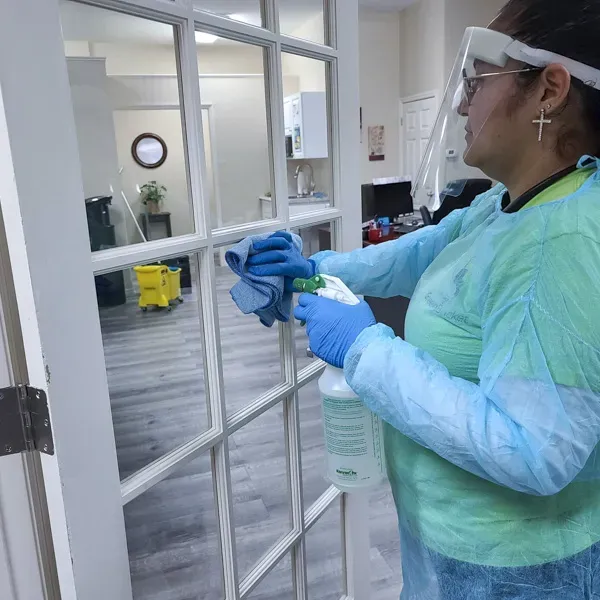
Daily cleaning keeps the office fresh. Core daily tasks include:
- Trash Removal: Empty bins to prevent odours and pests.
- Disinfecting High-Touch Surfaces: Wipe doorknobs, switches, and shared devices to cut germ spread.
- Tidy Common Areas: Keep break rooms and reception areas orderly and presentable.
Weekly Cleaning Tasks
Weekly work provides deeper hygiene control. Key weekly tasks include:
- Deep Cleaning Restrooms: Thoroughly clean and sanitise restroom fixtures and surfaces.
- Detail Dusting: Dust shelves, vents and equipment to prevent buildup.
- Vacuuming Carpets: Deep vacuum to remove embedded dirt and allergens.
Which Areas Require Regular Cleaning and Sanitization?
Focus cleaning where use and risk are highest so efforts are effective and efficient.
High-Touch Surfaces
Doorknobs, light switches and shared equipment should be cleaned daily to reduce transmission risk.
Restrooms and Breakrooms
These require daily attention and sanitisation to maintain a hygienic environment for staff.
Workstations
Regular workstation cleaning and encouraging tidy desks reduce clutter and improve hygiene.
How to Create an Effective Office Cleaning Schedule?
Start with a simple assessment of space and usage, then build a structured plan to ensure consistent coverage and efficient resource use.
Assessing the Office Space
Map the layout and identify high-traffic zones (entryways, communal areas, corridors) to prioritise cleaning frequency.
Defining Cleaning Tasks and Frequencies
List each task and assign a frequency: e.g., daily trash removal and surface disinfection; weekly restroom deep cleans and carpet care.
Involving Staff in the Cleaning Process
Ask employees to take simple, shared responsibilities (clear desks, tidy communal areas) and provide basic supplies to support them.
How Should Deep Cleaning Procedures Be Performed in Offices?
Deep cleaning should be scheduled and follow consistent methods to ensure comprehensive results.
Top-to-Bottom Cleaning
Work from high to low surfaces so settled dust is removed without recontaminating cleaned areas.
Use of Appropriate Cleaning Tools and Products
Use certified disinfectants, microfiber cloths and appropriate machines to achieve thorough sanitation.
Establishing Frequency of Deep Cleaning
Set a baseline schedule (monthly for many offices) and increase frequency for busier areas or specific needs.
What Are the Step-by-Step Deep Cleaning Techniques?
Apply a structured approach to deep cleaning to cover the whole office effectively.
Focus on High-Touch Surfaces
Begin with doorknobs, switches and shared equipment, using suitable disinfectants to remove pathogens.
Use of Microfiber Cloths and HEPA Vacuums
Microfiber traps dust efficiently; HEPA-filter vacuums remove fine particles and allergens from carpets and upholstery.
Regular Training for Cleaning Staff
Provide periodic training on techniques, product use and safety to maintain consistent quality.
When and Why Is Deep Cleaning Necessary?
Deep cleaning is needed to keep a healthy workplace and to respond to specific triggers or higher risk settings.
Necessity in High-Traffic Areas
Areas with heavy footfall accumulate more dirt and microbes and should be deep-cleaned more often.
Post-Event Cleaning
After meetings or gatherings, perform a thorough clean to remove debris and any transferred contamination.
Health-Sensitive Environments
Medical or similarly sensitive settings require frequent, specialised deep cleaning; engage trained services when necessary (medical office cleaning).
What Are the Best Office Cleaning Supplies and Eco-Friendly Solutions?
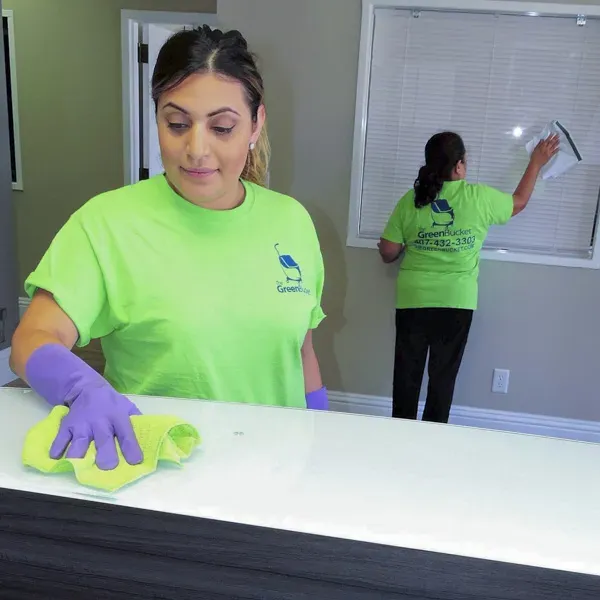
Choose supplies that achieve sanitation goals while minimising environmental and health impacts.
Highlighting Eco-Friendly Cleaning Products
Eco-friendly cleaners often use milder, plant-based ingredients, lowering chemical exposure and supporting indoor air quality.
Importance of Effective Sanitation
Use proven disinfectants and reliable supplies to prevent germ transmission and protect staff health.
Recommended Supplies
The following are commonly recommended:
- Disinfectant Wipes: Quick and practical for routine surface cleaning.
- Microfiber Cloths: Efficient for dust control with less chemical use.
- Eco-Friendly Cleaners: Sanitise while reducing environmental impact.
What Do Janitorial Office Services Include and How Do They Support Cleanliness?
Janitorial services provide routine maintenance and periodic deep cleaning to maintain workplace hygiene.
Routine Janitorial Services
Daily tasks typically include waste removal, surface cleaning and restroom sanitation to sustain baseline cleanliness.
Deep Cleaning Services
Many firms offer scheduled deep-clean options that address harder-to-reach or heavily used areas.
Specialized Care for Certain Environments
For medical or regulated spaces, choose janitorial providers with relevant protocols and experience.
How to Select Reliable Janitorial Services for Your Office?
Use clear criteria — experience, references, communication and quality control — to choose a reliable provider.
Evaluate Experience and Specialization
Prefer companies with proven office-cleaning experience and familiarity with your sector’s needs (office cleaning).
Check Customer Reviews and References
Reviews and client references give practical insight into reliability and service quality.
Ensure Clear Communication and Quality Control
Require documented procedures, reporting channels and a system for handling issues and maintaining standards.
Frequently Asked Questions
What are the benefits of using eco-friendly cleaning products in the office?
Eco-friendly cleaners reduce chemical exposure, often support better indoor air quality and align with sustainability goals while still providing effective sanitation.
How can employees contribute to maintaining office cleanliness?
Employees can help by keeping workstations tidy, disposing of waste properly, cleaning minor spills and respecting shared-space guidelines.
What should be included in a comprehensive office cleaning checklist?
List tasks by frequency (daily, weekly, monthly). Daily: empty bins, disinfect high-touch surfaces. Weekly: deep restroom cleaning, vacuuming, dusting. Monthly: windows, deep carpet care and filter checks. Assign responsibilities to ensure coverage.
How often should deep cleaning be performed in an office?
Monthly is a common baseline, with higher frequency for busy, high-traffic, or health-sensitive environments. Schedule additional cleans after events or when inspections indicate need.
What are the signs that an office needs a deep clean?
Visible dust or grime, persistent odours, frequent allergy or illness reports, stains and cluttered common areas indicate a need for deep cleaning.
How can a cleaning schedule improve office hygiene?
A clear schedule ensures tasks are done consistently, prioritises high-traffic areas and helps allocate resources efficiently. Involving staff increases adherence and improves results.