
Eco-Friendly Cleaning Solutions for Your Business
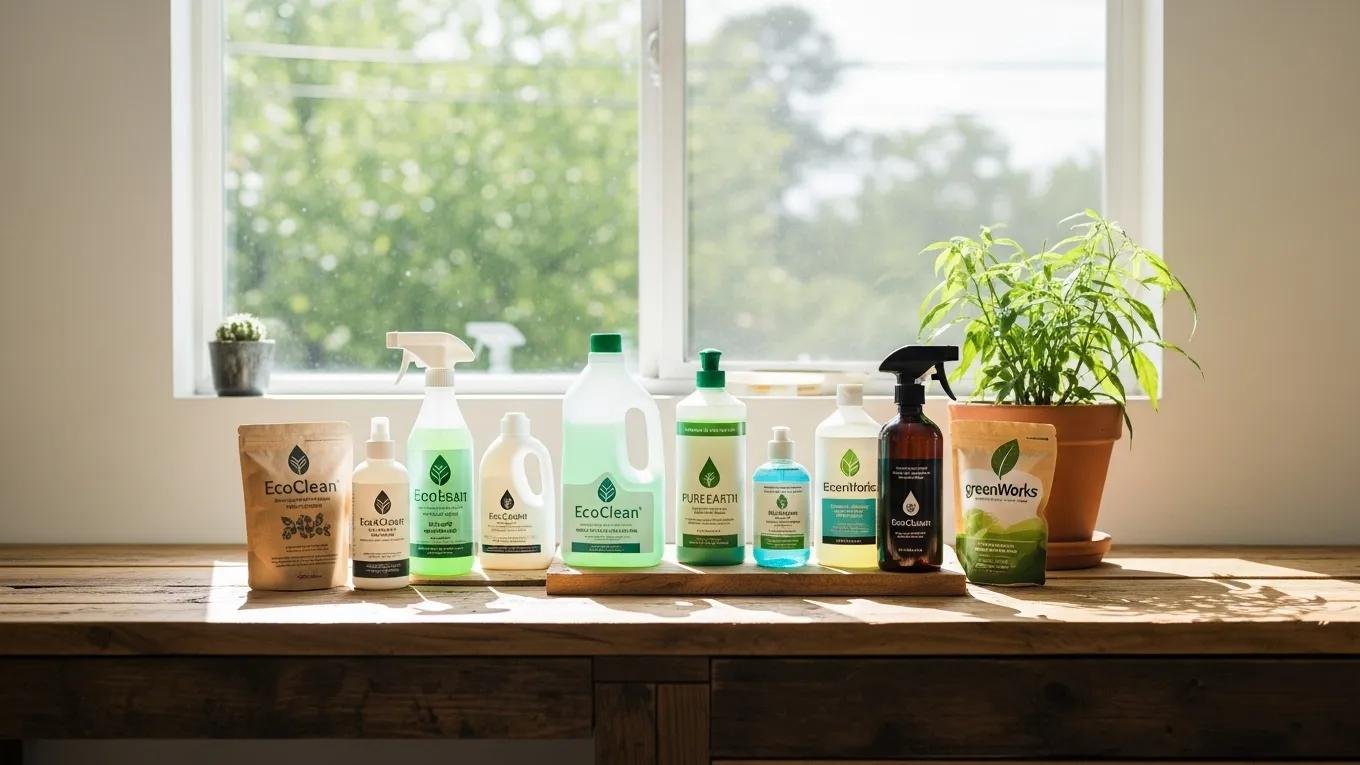
Eco-Friendly Cleaning Solutions for Your Business: Expert Guide to Sustainable Commercial Cleaning
Businesses need cleaning approaches that meet operational standards while cutting environmental impact. This guide summarises why green cleaning matters, the main benefits, and practical steps—product choices, sustainable practices, and scheduling—so decision makers can adopt effective, compliant solutions that protect employees and clients.
Expert Guide on Eco-Friendly Cleaning Solutions for Your Business
Eco-friendly cleaning covers products and methods designed to limit environmental harm while keeping spaces hygienic. Examples include biodegradable cleaners, low-VOC formulas, and non-toxic agents that reduce occupant exposure. In commercial settings these choices support healthier indoor environments, improve occupant comfort, and reflect a business commitment to sustainability.
The principal objective of green cleaning is to protect the health of building occupants and cleaning staff while reducing broader environmental impact.
Green Cleaning: Health, Environment, and Implementation
Green cleaning is conducted for the health of building occupants, janitorial staff, and the environment. Its success will influence custodian acceptance of green cleaning policies and the overall quality of implementation.
A conceptual framework of critical success factors for green cleaning implementation and performance, AH Mohammed, 2016
1. Introduction to Eco-Friendly Cleaning Solutions
Eco-friendly cleaning is a practical route for businesses that want to minimise environmental harm without losing cleanliness. It emphasises materials and techniques that reduce emissions and waste, improving indoor conditions that support health and productivity. Understanding available options helps organisations make informed procurement choices.
2. Benefits of Eco-Friendly Products

Regular use of eco-friendly cleaners delivers several practical benefits.
- Healthier Indoor Air Quality: Many green products have fewer hazardous ingredients and can help reduce respiratory complaints.
- Reduced Illness Transmission: Properly selected non-toxic agents control pathogens while minimising harmful exposures.
- Enhanced Employee Satisfaction: Cleaner, healthier spaces support morale and productivity.
These results make a strong case for integrating green products into commercial cleaning programmes to protect occupant health and operational continuity.
Although green cleaners are assumed to improve indoor air quality, some studies show a more complex relationship with volatile organic compound emissions.
Green Cleaners: VOC Emissions and Indoor Air Quality Impact
Cleaning products emit a range of volatile organic compounds (VOCs), including some that are hazardous or can transform to form secondary pollutants. Green cleaners have grown in popularity but are not always superior for indoor air quality. A study compared the VOC composition of 10 regular and 13 green cleaners using headspace analysis. Monoterpenes were the most prevalent VOCs, with average total monoterpene concentrations of 8.6 and 25.0 mg L−1 for regular and green cleaners, respectively. When modelled, higher monoterpene emissions from some green cleaners led to larger increases in secondary pollutants.
Does green mean clean?
Volatile organic emissions from regular versus green cleaning products, DR Shaw, 2024
What Are the Key Benefits of Green Commercial Cleaning Products?
Green products can lower employee exposure to harmful chemicals and reduce a business’s environmental footprint. Choosing biodegradable and low-VOC options aligns cleaning practice with sustainability targets while retaining cleaning performance.
3. Sustainable Commercial Cleaning Practices
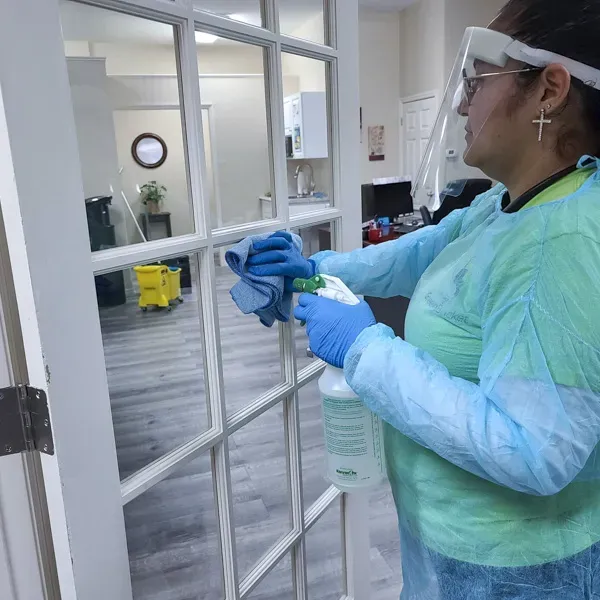
Adopt targeted practices to advance corporate sustainability goals. Core measures include:
- Use of Biodegradable Cleaners: Reduce persistence of chemicals and long-term environmental load.
- Non-Toxic Disinfectants: Prefer lower-toxicity options where they meet infection-control needs.
- Waste Reduction Strategies: Recycle, reduce packaging, and optimise product use to limit waste.
These steps help maintain hygiene while lowering environmental impact and operational risk.
How Do Biodegradable Office Cleaners Improve Workplace Health?
Biodegradable cleaners break down more readily, reducing chemical persistence and helping maintain indoor air quality, which lowers the chance of adverse effects among employees.
4. Implementation Strategies for Businesses
Use systematic strategies that fit operational needs and compliance requirements.
- Choosing Green Cleaning Services: Select providers with verified, documented eco-friendly practices.
- Customizing Cleaning Plans: Tailor schedules, methods, and products to site risks and traffic patterns.
- Training Staff Regularly: Provide concise, practical training on correct product use, dilution, and safety.
Consistent application and monitoring ease the transition to sustainable cleaning without sacrificing service quality.
Which Non-Toxic Cleaning Services Are Best for Different Business Environments?
Match services to context: medical facilities need specialist disinfectants and stricter protocols; general offices benefit from routine maintenance and planned deep cleans using approved green products. Align choices with hygiene and regulatory needs.
5. Choosing the Right Cleaning Schedule
Set a schedule that balances hygiene, cost, and operational impact. Consider traffic, special regulatory requirements, and the minimum effective frequency to meet standards.
- Frequency of Cleaning Based on Traffic: High-traffic areas require more frequent attention.
- Specialized Cleaning Needs: Clinics and regulated spaces need tailored protocols.
- Balancing Cost and Effectiveness: Find the lowest frequency that still achieves required cleanliness.
Review schedules regularly and adjust based on inspections and occupant feedback.
What Specialized Protocols Are Used in Medical Office Cleaning?
Medical cleaning emphasises infection control: hospital-grade disinfectants where required, adherence to prevention guidelines, and frequent staff training to maintain patient safety.
Frequently Asked Questions
What are the environmental impacts of traditional cleaning products?
Traditional cleaners can introduce persistent chemicals to waterways, increase manufacturing and disposal emissions, and emit VOCs that harm indoor air quality. Switching to greener alternatives reduces these risks.
How can businesses train staff on eco-friendly cleaning practices?
Combine concise classroom guidance with demonstrations and clear written procedures. Use regular refreshers and spot checks to keep standards consistent.
What role do suppliers play in eco-friendly cleaning solutions?
Suppliers provide certified products, technical data, and usage guidance. Choose transparent suppliers who offer trials and documentation to support safe, compliant adoption.
How can businesses measure the effectiveness of eco-friendly cleaning solutions?
Use employee feedback, targeted indoor air tests, absenteeism trends, and documented audits to monitor outcomes and identify improvements.
What are some common misconceptions about eco-friendly cleaning products?
Many assume green products underperform or always cost more. Modern formulations often match traditional performance; any higher upfront cost can be offset by health and productivity gains.
How can businesses ensure compliance with eco-friendly cleaning standards?
Reference recognised standards (Green Seal, EPA Safer Choice), run regular audits, and engage certified providers to meet compliance requirements.
6. Conclusion
Adopting eco-friendly cleaning is a strategic move that benefits sustainability, occupant health, and operational resilience. With careful product selection, clear procedures, and routine training and audits, organisations can maintain high cleaning standards while advancing sustainability goals.
How Can Businesses Evaluate the Cost and ROI of Eco-Friendly Cleaning Solutions?
Compare upfront costs with measurable long-term gains (fewer health incidents, improved productivity, possible incentives). Track indicators over time to quantify ROI.
Are Eco-Friendly Cleaning Services More Expensive Than Traditional Options?
They may cost more initially, but reduced health-related costs and higher employee satisfaction often improve overall return on investment.
What Certifications and Standards Define Environmentally Safe Cleaning Companies?
Green Seal, EPA Safer Choice, and LEED are common credentials that indicate third-party verification of product safety and environmental performance.
Which Environmental Certifications Should Businesses Look For?
When assessing providers, prioritise Green Seal, EPA Safer Choice, and LEED-related credentials to confirm verified environmental performance.
How Do Certifications Like Green Seal and LEED Ensure Quality?
Certifications require specific performance, safety, and environmental criteria. Meeting them demonstrates a documented commitment to sustainability and provides a reliable basis for vendor selection.
Green Seal certification is widely recognised and offers tangible benefits for businesses committed to eco-friendly practices.
Green Seal Certification: Benefits for Eco-Friendly Businesses
Green Seal is a well-known nonprofit that works with companies nationally to certify environmentally preferable products. Certification aims to protect the environment and promote energy efficiency. It can also reduce costs through improved product durability and reduced packaging expense. Participation in green initiatives may help organisations attract additional business and media attention.
Road to the Green Seal, 2008
How Does Deep Cleaning Enhance Eco-Friendly Standards?
Deep cleaning removes embedded dirt, allergens, and contaminants that routine cleaning can miss; when done with eco-friendly products, it increases overall cleanliness while supporting sustainability goals.
What Measurable Cost Savings Result from Sustainable Cleaning Practices?
Sustainable cleaning can lower health-related costs, reduce turnover, and boost productivity—operational gains that add measurable financial value over time.
To further demonstrate your business’s commitment to sustainability, consider requesting a “free quote” from a reputable eco-friendly cleaning provider.
For organisations prioritizing health and safety, “medical office cleaning” follows specialised protocols and uses hospital-grade disinfectants.
Many businesses report that professional “office cleaning” services improve employee morale and support productivity.
To maintain a consistently clean workspace, schedule regular “janitorial services” tailored to your operational needs.
For more thorough maintenance, “deep cleaning” removes built-up dirt and enhances the effectiveness of eco-friendly programs.
Engaging a specialist in “commercial cleaning” ensures access to industry best practices and sustainable solutions.