
How Long Does Commercial Cleaning Take?
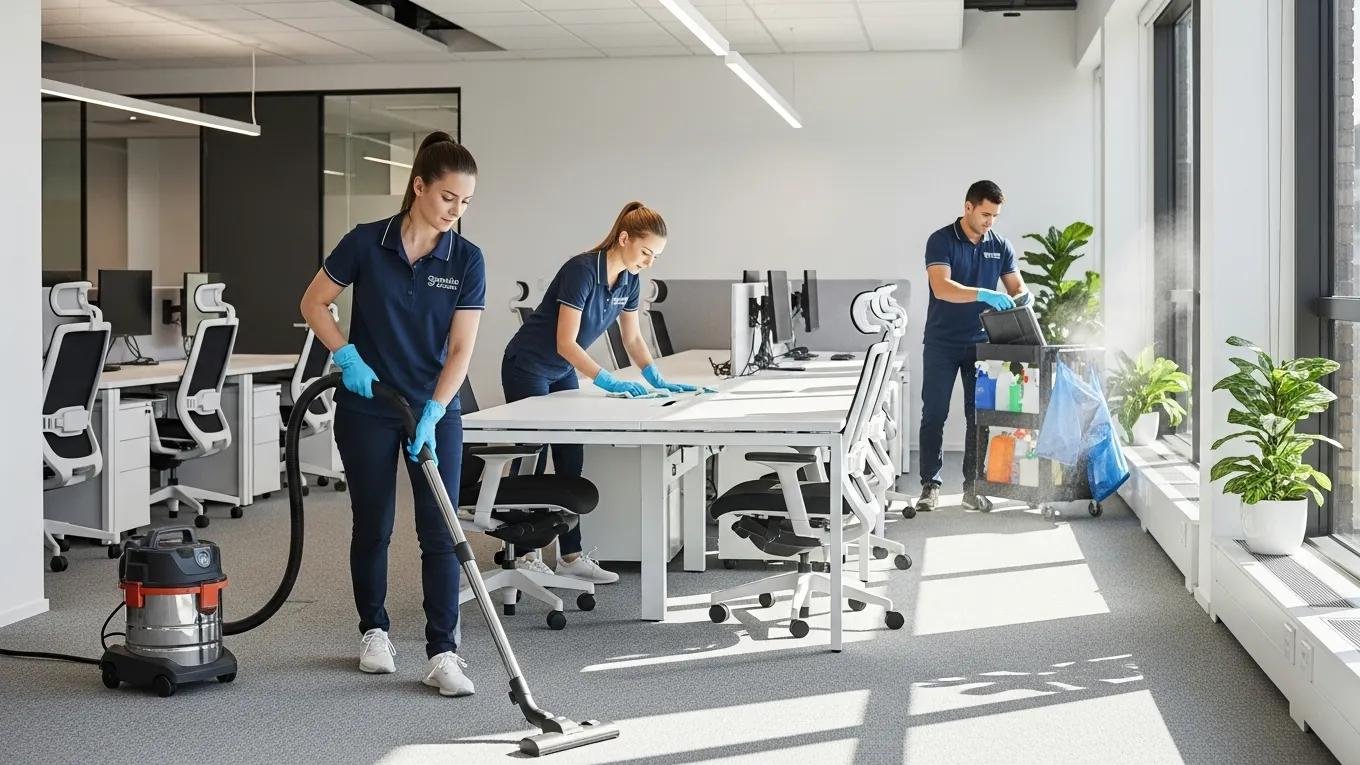
How Long Does Commercial Cleaning Take? Precise Time Estimates and Factors Explained
By Edgard Jimenez, The Green Bucket
Commercial cleaning covers a range of services for different businesses and facilities, and required time varies considerably. Knowing typical cleaning durations is essential for scheduling and resource allocation. This guide explains expected times by service type and the factors that influence them, so business owners can plan maintenance and hygiene more effectively.
The sections below present estimated durations, key influencing factors, and average times by service type. We also cover how green cleaning affects appointment length and offer practical strategies to optimize cleaning schedules. For businesses that require pristine environments, understanding the scope and timing of commercial cleaning is essential.
Duration Estimates:
Time requirements vary by service frequency and intensity. Routine janitorial work typically takes 1 to 4 hours, depending on facility size and needs. High-traffic areas may require several hours of daily cleaning, while monthly deep cleans can take substantially longer. These time frames help businesses plan effective cleaning schedules.
What Factors Influence Commercial Cleaning Time Estimates?
Several elements determine cleaning efficiency and duration; understanding them lets businesses assess resources and set realistic expectations.
How Do Space Size and Cleaning Intensity Affect Duration?
Space size directly affects cleaning time: larger facilities need more time to clean thoroughly because they require additional equipment and products. High-traffic areas accumulate more soil and demand intensive cleaning, which extends the visit.
What Role Does Cleaning Frequency and Staffing Play in Timing?
Frequency influences timing as well. Daily cleaning uses more staff hours than weekly schedules, which are quicker per visit. Tailored plans that match frequency and staffing optimize schedules and resource use.
What Are the Average Cleaning Times by Commercial Service Type?
Service type drives typical timeframes because requirements and standards differ across industries.
How Long Does Office and Janitorial Cleaning Usually Take?
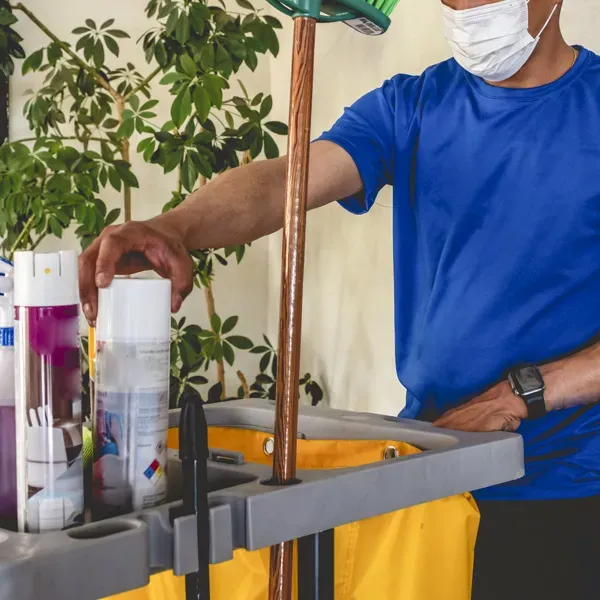
Routine office and janitorial cleaning usually takes 1 to 3 hours, depending on office size and tasks. Small, low-activity offices take less time; larger spaces need more attention and longer visits. Reviewing the specifics of janitorial services supports precise appointment planning.
What Is the Time Required for Medical and Deep Cleaning Services?
Medical facilities require rigorous, frequent cleaning and often need daily services. Deep cleans in hospitals and similar settings can range from 10 to 100 hours, depending on complexity and sanitation protocols. Adherence to strict standards is essential to maintain safety and hygiene. Detailed deep cleaning services are vital for high‑risk environments.
How Does Green Cleaning Impact Commercial Cleaning Appointment Length?
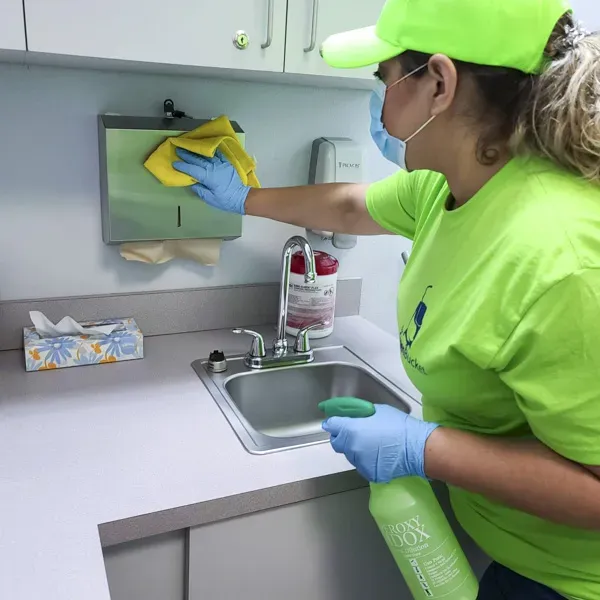
Green cleaning uses eco-friendly products and methods that can affect appointment length. These approaches may take longer because they prioritize environmental safety and rely on specific techniques and products.
Why Does Green and Deep Cleaning Extend Cleaning Time?
Green and deep cleaning follow comprehensive protocols that extend cleaning time. Green methods require meticulous work and sustainable practices that can be slower than traditional approaches, and medical standards add time due to required sanitation. Businesses aiming for pristine environments should understand the specifics of office cleaning.
What Are the Time Implications for Scheduling Eco-Friendly Cleaning Services?
Eco-friendly cleaning appointments typically last about 1 to 3 hours, similar to standard services, depending on facility size and complexity. Product selection and facility condition affect total time, so plan ahead when choosing eco‑friendly solutions.
How Can Businesses Optimize Their Commercial Cleaning Schedule for Efficiency?
Businesses can improve cleaning efficiency by adopting targeted strategies that reduce wasted time and focus effort where it matters most.
What Preparation and Staffing Strategies Reduce Cleaning Time?
Effective preparation reduces cleaning time: assign area‑specific tasks, involve on‑site staff in routine upkeep, and keep work areas ready for cleaning. Match staffing levels to cleaning intensity to ensure thorough, efficient results.
How Does Understanding Cleaning Duration Improve Cost and Appointment Planning?
Knowing expected timeframes helps control cleaning costs. Customized plans avoid unnecessary work, and regular schedule reviews align resources with real needs, managing both time and budget effectively.
For a detailed quote and to discuss specific needs, request a quote for your commercial cleaning.
Frequently Asked Questions
1. What types of businesses benefit the most from commercial cleaning services?
Commercial cleaning serves offices, retail, healthcare, schools and industrial sites. Each setting has specific requirements driven by foot traffic, business activity and health rules. Medical facilities need more frequent, intensive cleaning; retail sites prioritise daily upkeep to keep customer areas welcoming.
2. How can businesses determine the right frequency for cleaning services?
Frequency depends on facility size, foot traffic and cleanliness standards. Assess daily operations and service types. High-traffic zones often need daily cleaning; low-use areas may need weekly or bi‑weekly visits. Regular assessments allow schedule adjustments to maintain standards.
3. Are there specific cleaning protocols for industries like food service?
Yes. Food‑service environments follow strict protocols to meet health and safety regulations. Surfaces, equipment and dining areas require regular cleaning and sanitisation. Local health departments often specify cleaning frequency and approved products. Staff training on these protocols is essential.
4. What benefits do businesses see from implementing green cleaning practices?
Green cleaning improves indoor air quality, reduces environmental impact and supports occupant health. Eco‑friendly products are less toxic, lowering risks of allergies and respiratory issues. Demonstrating environmental responsibility can strengthen customer loyalty, support regulatory compliance, and improve workplace morale.
5. How do specialized cleaning services differ from regular cleaning?
Specialized cleaning targets industry‑specific needs in medical sites, labs or post‑construction areas. These services require trained staff, specialized equipment and strict protocols to ensure thorough sanitation. Unlike routine cleaning, specialized work addresses complex challenges and ensures compliance with safety and industry regulations, including disinfection in sensitive zones.
6. What are the challenges of scheduling commercial cleaning services?
Scheduling must balance cleanliness with business operations. Cleaning during peak hours can disrupt productivity and customer experience. Unexpected maintenance or changing hours also complicate schedules. Clear communication with providers and flexible timing reduce conflicts and minimize operational impact.
7. How can technology improve scheduling and efficiency in commercial cleaning?
Technology improves scheduling and efficiency through software that streamlines communication and operations. Scheduling platforms set reminders, track tasks and monitor service frequency. Data analytics reveal patterns in past schedules to assess cleaning efficacy and time use. Implementing technology improves organization and optimizes resource allocation, yielding more efficient cleaning.