
Essential Office Cleaning Checklist for Your Workplace
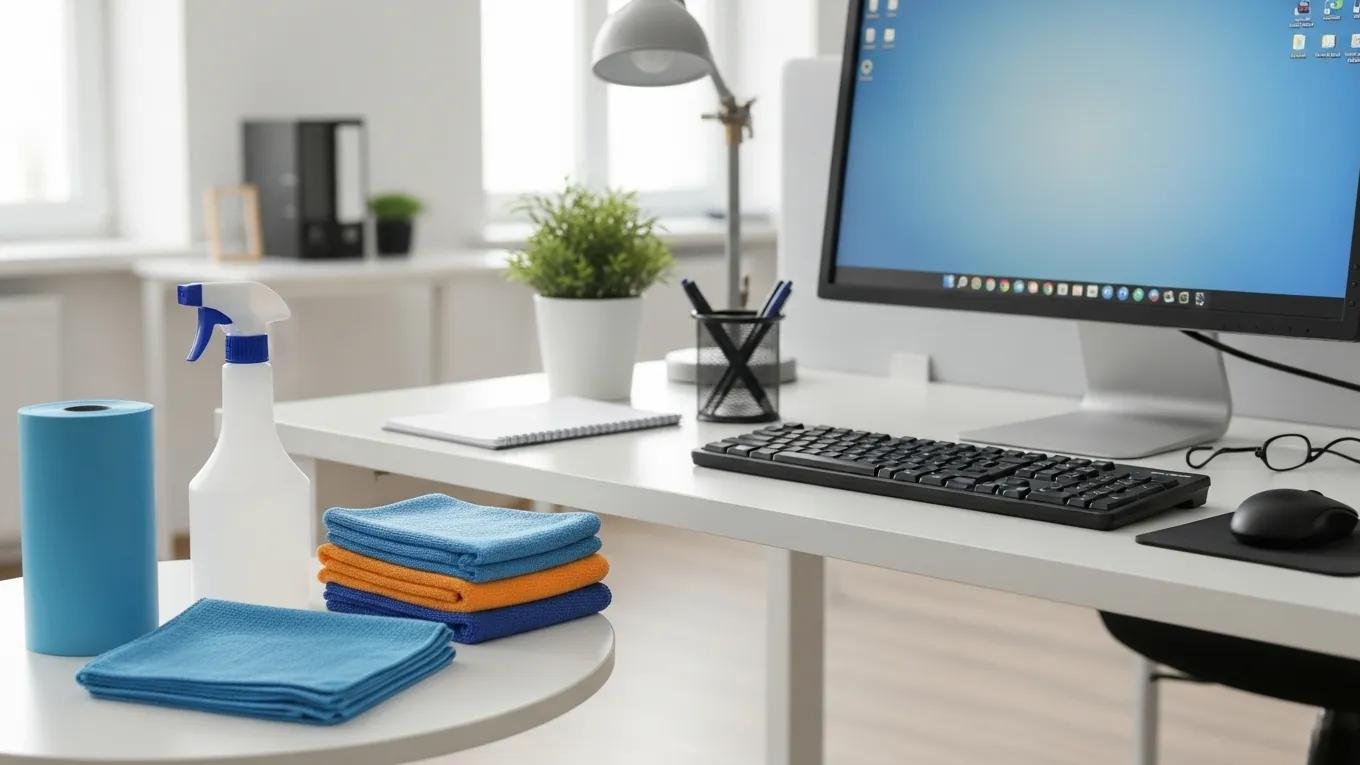
Essential Office Cleaning Checklist: Effective Commercial Cleaning Schedule for Workplace Sanitation
By Edgard Jimenez, The Green Bucket
Maintaining a clean workplace protects productivity, health, and safety. This guide gives a concise office cleaning checklist organized into daily, weekly, monthly, and quarterly tasks so nothing is missed. Employees, clients, and visitors benefit from reduced illness risk and a professional atmosphere. For a reliable program, consider engaging professional commercial cleaning services to set consistent standards.
Key Tasks and Frequency
Regular cleaning keeps the workplace safe and productive. Below are essential tasks with recommended frequency.
Daily Tasks:
Daily duties maintain basic hygiene: disinfect high-touch surfaces (door handles, light switches, shared kitchen areas) and remove trash to prevent buildup. Regular workstation upkeep supports a healthier, more productive workplace and complements professional office cleaning.
Weekly Tasks:
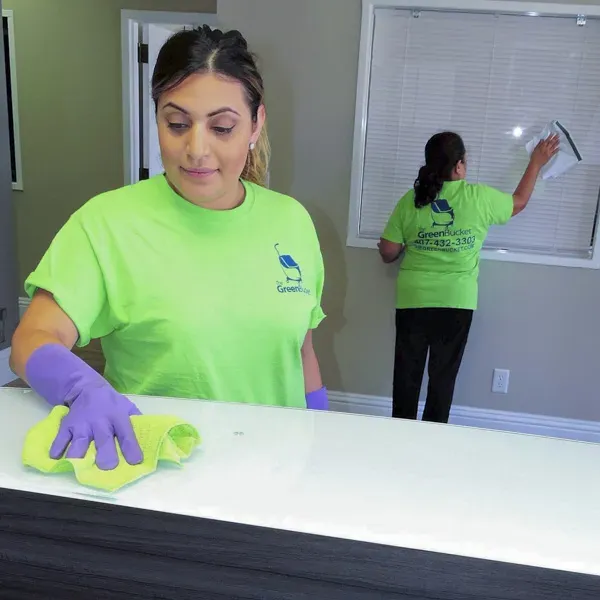
Weekly work includes deeper sanitation such as sanitizing bathrooms, vacuuming carpets, and mopping hard floors. Also attend to surfaces that need extra care (tables, kitchen equipment) to uphold health standards.
Monthly Tasks:
Monthly attention covers deeper cleaning beyond daily upkeep: deep-clean carpets and upholstery, and check or replace HVAC filters to maintain indoor air quality. For persistent issues or full-service approaches, use deep cleaning services.
Quarterly Tasks:
Quarterly tasks address intensive areas not covered in regular routines, such as deep carpet cleaning, cleaning behind break-room appliances, and site-specific protocols for sensitive environments.
Comprehensive Office Cleaning Checklist for Workplace Hygiene
Tailor cleaning plans by area use to boost efficiency and use quality-assurance checklists to inspect completed work, ensuring consistent results and accountability.
What Are the Daily Office Cleaning Duties for a Healthy Workplace?
Daily duties sustain workplace hygiene. Key items include:
- Trash Removal: Keeps the environment tidy and reduces odors.
- Surface Disinfection: Targets high-touch areas to limit germ spread.
- Cleaning Workstations: Regular maintenance supports morale and productivity.
Addressing these tasks preserves a healthy, productive environment; many offices use professional janitorial services for consistent daily attention.
Which High-Touch Surfaces Require Daily Disinfection?
High-touch surfaces that need daily disinfection include:
- Door handles and knobs
- Light switches
- Shared technology such as keyboards and phones
Routine disinfection of these areas reduces illness risk and improves overall workplace safety.
What Office Cleaning Supplies Are Needed for Daily Janitorial Tasks?
Essential supplies include:
- Disinfectants: Effective against viruses and bacteria.
- Microfiber Cloths: For dusting and wiping without lint.
- Trash Bags: Durable bags for efficient waste removal.
Keeping these supplies on hand supports routine cleaning and office hygiene.
How Should Weekly and Monthly Deep Cleaning Be Scheduled and Executed?
Use a rotating schedule so all areas receive attention without overloading staff. Assign specific days for deep cleaning high-priority spaces like break rooms and high-traffic zones.
Which Areas and Tasks Are Included in Weekly Commercial Cleaning?
Weekly commercial cleaning should cover:
- Bathrooms: Sanitizing toilets, sinks, and counters.
- Common Areas: Cleaning coffee machines, microwaves, and communal tables.
- Workstation Areas: Dusting and disinfecting desks and chairs.
These routine tasks support employee health and a clean environment.
What Does a Monthly Deep Cleaning Checklist for Offices Encompass?
A monthly deep-clean targets tasks such as:
- Window Washing: Preserves natural light and visibility.
- Carpet Shampooing: Reduces allergens and extends carpet life.
- Upholstery Cleaning: Refreshes office furnishings.
These efforts keep the office welcoming and hygienic.
What Are the Best Green Cleaning Practices for Eco-Friendly Office Sanitation?
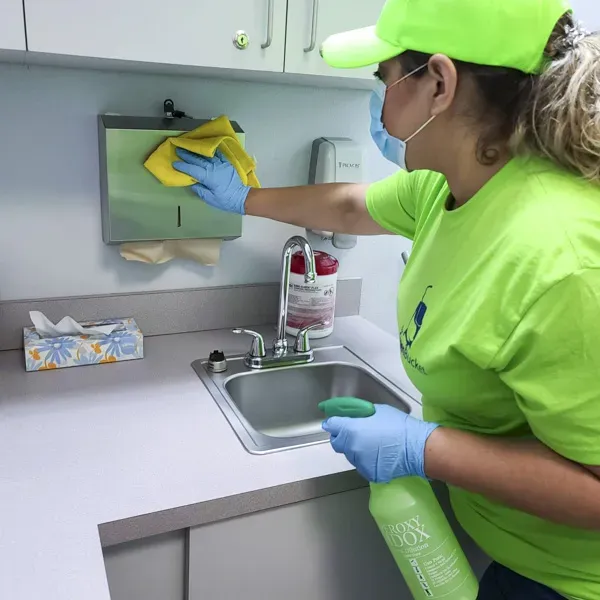
Green cleaning supports sustainable sanitation. Best practices include:
- Using Eco-Friendly Products: Reduces harmful chemicals.
- Implementing Recycling Programs: Encourages responsible waste disposal.
- Promoting Natural Cleaning Methods: Options like vinegar and baking soda are biodegradable and effective.
These steps improve health and support sustainability goals.
How Do Green Cleaning Practices Impact Office Health and Productivity?
Green cleaning lowers chemical exposure and improves indoor air quality. Cleaner environments correlate with reduced absenteeism and higher morale, which can boost productivity.
How Can You Use This Office Cleaning Checklist to Comply with Hygiene Standards?
Use a checklist to document routines and show compliance with hygiene standards. Recording tasks helps track performance and pinpoint areas for improvement. For specialised settings, consider medical office cleaning to meet stricter requirements.
How Do Structured Checklists Improve Compliance and Cleanliness?
Structured checklists reduce missed tasks and increase accountability among cleaning staff. A systematic approach delivers consistent results that meet hygiene standards and support a healthy workplace.
Those seeking tailored upkeep can request cleaning quotes. A well-maintained office supports operations and workplace efficiency.
Frequently Asked Questions
1. What factors should influence the cleaning schedule of an office?
Set the schedule by employee count, business type, and foot traffic. High-traffic areas and special seasons (for example, flu season) may require increased sanitation to keep the workplace healthy.
2. How can offices ensure employees participate in maintaining cleanliness?
Make cleanliness a shared responsibility: run a cleaning ambassador program, supply basic materials for personal workspaces, and offer brief hygiene training to encourage participation.
3. What should be done if a cleaning task is missed in the checklist?
If a task is missed, address it promptly and notify responsible parties. Review the schedule and use a tracking system to prevent repeats and improve accountability.
4. How can businesses decide between in-house cleaning or hiring a service?
Decide based on budget, frequency, and task complexity. Compare in-house costs (staff, equipment, training) with the expertise and efficiency of professional services to find the most economical solution.
5. What are the potential consequences of inadequate office cleaning?
Poor cleaning can increase illness, lower productivity, and harm a company’s image. Prioritise cleanliness to protect health and maintain a welcoming, efficient workplace.
6. Are there specific cleaning supplies recommended for maintaining green cleaning practices?
Use eco-friendly detergents, vinegar, baking soda, essential oils, and reusable materials like microfiber cloths to reduce waste and harmful chemicals while maintaining cleanliness.
7. How often should air quality checks be included in cleaning routines?
Include air quality checks at least quarterly, or more often for high-traffic or enclosed spaces. Regular checks identify dust, mold, or filter needs that affect employee health and complement cleaning efforts.