
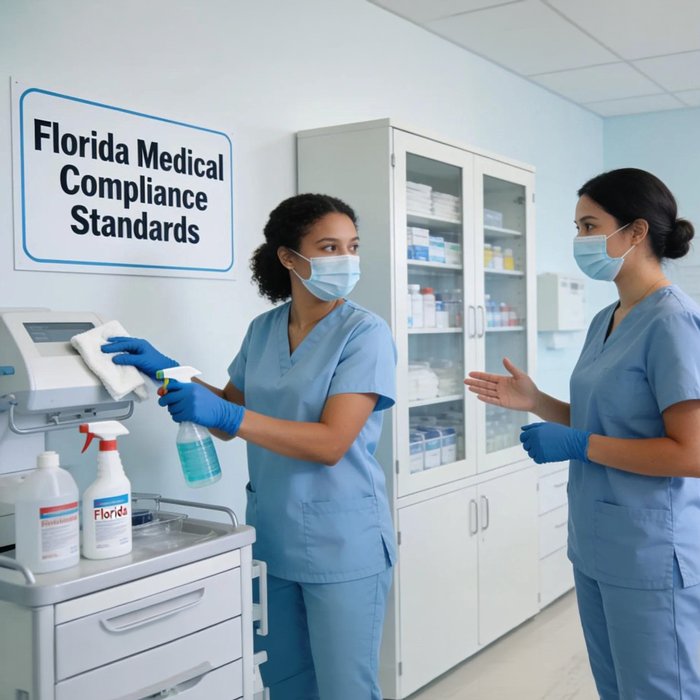
The article will address various aspects, starting with an overview of key Florida medical facility cleaning regulations and the responsibilities of state regulatory bodies. This will be followed by specific sanitization requirements for clinics, implementation guidelines, and the advantages of eco-friendly cleaning solutions. As we progress, we will examine available commercial cleaning services, infection control impacts, and essential waste management protocols. Finally, we will provide valuable resources for keeping abreast of regulatory updates and frequently asked questions regarding sanitization compliance.
What are the key Florida Medical Facility Cleaning Regulations?
Florida medical facilities are governed by an array of cleaning regulations designed to protect patient health and enhance operational safety. These regulations are shaped largely by guidelines from prominent health organizations such as the Centers for Disease Control and Prevention (CDC) and the Occupational Safety and Health Administration (OSHA). Key mandates include the requirement for hospital-grade disinfection practices, stringent protocols for cleaning and sanitizing critical areas, and mandates on staff training related to sanitization procedures.
Moreover, facilities must utilize products compliant with environmental standards and ensure that all cleaning products are EPA registered. By adhering to these regulations, medical facilities not only meet compliance concerns but also contribute to overall community health.
Regulatory Bodies Governing Florida Medical Cleaning Compliance
Numerous regulatory bodies in Florida play crucial roles in overseeing compliance with medical cleaning standards. The CDC provides national guidelines that influence state regulations concerning sanitization practices. Complementing this, OSHA is responsible for setting workplace safety standards that extend to cleaning staff in healthcare environments.
Additionally, the Florida Department of Health monitors regulations on sanitation specific to healthcare facilities to ensure adherence to state laws. Understanding the responsibilities and oversight mechanisms of these organizations helps medical facilities remain compliant with regulatory standards while ensuring that their cleaning protocols are effective and up-to-date.
What specific sanitization requirements apply to medical office buildings and clinics in Florida?
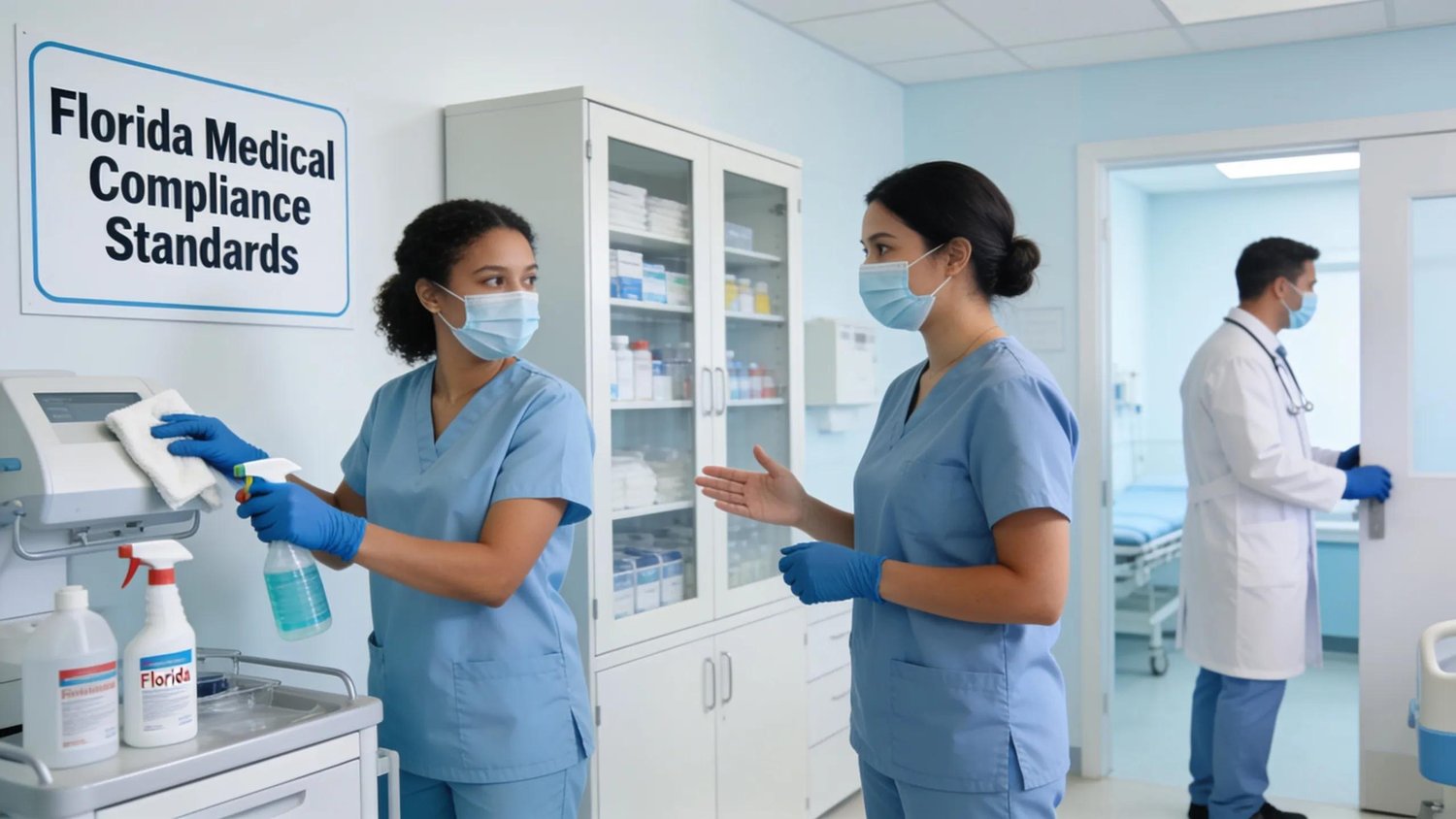
Medical offices and clinics in Florida must adhere to specific sanitization protocols to ensure patient safety and regulatory compliance. These requirements include the use of hospital-grade disinfectants for cleaning procedures, mandatory training of cleaning staff in infection control practices, and adherence to strict schedules for routine cleaning.
The layout of medical facilities also influences sanitization requirements; high-traffic areas and patient treatment rooms require more frequent disinfection to prevent the spread of pathogens. Furthermore, regular audits and inspections are recommended to ensure that protocols are being followed and documented appropriately, assisting in maintaining high standards of patient care.
How to Implement Healthcare Sanitization Protocols in Florida Medical Facilities?
Implementing effective healthcare sanitization protocols in Florida medical facilities necessitates careful planning and coordination. Preparation should involve thorough risk assessments to identify high-traffic and high-risk areas where pathogens are likely to thrive.
Tools and supplies crucial for compliance include appropriate personal protective equipment (PPE), EPA-registered disinfectants, and clearly defined cleaning checklists to ensure that all scenarios are covered. Facilities must implement a comprehensive training program for cleaning staff, emphasizing the importance of sanitary practices that meet Florida’s regulatory standards.
Key steps include:
- Preparation: Assess areas and determine cleaning frequency.
- Supplies: Ensure availability of compliant cleaning agents and PPE.
- Training: Educate staff on proper sanitization techniques.
Over time, as cleaning and sanitization efforts become standardized, medical facilities can improve compliance while enhancing patient outcomes. For robust solutions, consider exploring medical office cleaning services tailored to these needs.
Why Choose Eco-Friendly Medical Cleaning Products for Healthcare Facilities?

Choosing eco-friendly medical cleaning products offers numerous benefits for healthcare facilities. Not only do these products align with increasing regulatory pressure to adopt sustainable practices, but they also contribute positively to the safety and well-being of both patients and staff. The health implications of using harsh chemical cleaning products can be detrimental, particularly for vulnerable patient populations.
Eco-friendly cleaning products are formulated to be effective against pathogens while minimizing harmful chemicals in the environment. Facilities that integrate these products into their cleaning protocols often notice improved indoor air quality, which can lead to enhanced patient recovery environments.
For commercial cleaning services, utilizing eco-friendly products can demonstrate a commitment to sustainability while still meeting rigorous sanitization standards.
Which eco-friendly cleaning methods comply with Florida medical sanitization standards?
There are several eco-friendly cleaning methods that comply with Florida’s medical sanitization standards. These methods not only ensure effective disinfection but also reduce environmental impact and toxic exposure to patients and staff alike.
Key eco-friendly cleaning methods include:
- Bioenzyme Cleaning: Utilizing natural enzymes to break down organic materials and eliminate pathogens effectively.
- Steam Cleaning: Harnessing high-temperature steam to disinfect surfaces without the use of chemicals, making it a highly effective solution against germs.
- Hydrogen Peroxide Solutions: A safer alternative to bleach that is effective against a wide array of pathogens and is environmentally friendly.
These methods maintain compliance with sanitation regulations while presenting a sustainable approach to healthcare cleaning.
What are the environmental and health advantages of sustainable medical cleaning?
Adopting sustainable medical cleaning practices presents numerous environmental and health advantages. Eco-friendly cleaning processes protect not only the health of patients and staff but also contribute towards a healthier planet.
The use of non-toxic, biodegradable cleaning agents significantly reduces the chemical load in healthcare facilities, promoting better air quality and reducing potential negative health effects associated with stronger chemical cleaners. Sustainable practices also enhance the facility’s reputation as a responsible entity dedicated to protecting the environment.
Additionally, effective eco-friendly cleaning can improve patient recovery rates, as environments free from harmful chemicals help to minimize allergies and respiratory issues among patients. Hence, sustainable medical cleaning aligns with the overall goal of enhancing patient care while being environmentally responsible.
What Commercial Medical Cleaning Services Are Available in Florida and What Do They Include?
A variety of commercial medical cleaning services operate throughout Florida, offering tailored solutions to meet the unique needs of healthcare facilities. These services typically provide comprehensive cleaning plans that encompass:
- Routine Disinfection: Scheduled cleaning of all surfaces and areas where patient care occurs.
- Specialized Cleaning: Targeted services that address unique sanitary needs, such as deep cleaning in response to infection outbreaks.
- Biohazard Waste Management: Safe and compliant disposal of medical waste following Florida regulations.
By employing these specialized cleaning services, facilities can ensure that they maintain their compliance with state laws and provide a safe environment for diligent medical care. For comprehensive cleaning quotes, these providers are equipped to assist.
How do commercial cleaning providers ensure adherence to Florida sanitization standards and infection control?
Commercial cleaning providers utilize several strategies to ensure adherence to Florida’s sanitization standards and infection control practices. One of the primary methods is through rigorous training programs for cleaning staff that emphasize best practices in hygiene and safety compliance.
Monitoring and reporting mechanisms are implemented to track cleaning processes and adherence to protocols. Cleaners are trained to utilize checklists that detail exactly what needs cleaning, using correct methodologies, while ensuring full compliance with regulatory requirements.
Moreover, many providers implement quality assurance processes such as regular audits and client feedback systems to adapt and refine their cleaning practices continually. This focus on quality maintains compliance and drives improvements in sanitization efforts.
How Does Florida’s Infection Control and Deep Cleaning Protocol Impact Medical Facility Compliance?
Florida’s infection control and deep cleaning protocols heavily impact medical facility compliance through strict regulations aimed at minimizing healthcare-associated infections (HAIs). These protocols require regular assessments of cleaning standards, which must align with both CDC and OSHA guidelines.
By prioritizing deep cleaning in response to outbreaks or during specific seasons, medical facilities can effectively manage pathogen transmission risks. Compliance with these protocols not only safeguards patient health but also enhances the reputation of the facility in the eyes of regulatory bodies and the community.
Additionally, transparent communication about cleaning practices contributes to greater trust between patients and healthcare providers, ultimately leading to improved care outcomes.
What CDC and OSHA guidelines shape Florida medical facility sanitization protocols?
The CDC and OSHA provide frameworks that shape Florida’s medical facility sanitization protocols, ensuring that states adhere to nationally recognized health standards. CDC guidelines emphasize the importance of infection prevention through proper cleaning and disinfection of surfaces, equipment, and medical facilities.
Key elements of CDC guidelines include:
- Regular training on proper disinfection techniques
- Utilization of EPA-approved disinfectants for effective pathogen control
- Development of specific cleaning protocols tailored to individual facility needs
Meanwhile, OSHA guidelines focus on worker safety by mandating the use of personal protective equipment (PPE) during cleaning to prevent exposure to potentially hazardous germs and chemicals. By aligning with these guidelines, Florida’s medical facilities are better equipped to manage infection risks effectively.
How should medical waste and biohazards be managed to maintain compliance?
Medical waste and biohazard management are critical aspects of compliance for Florida healthcare facilities. Proper procedures ensure that potentially hazardous materials are handled safely and responsibly while minimizing risks to staff and patients.
Key steps for effective management include:
- Segregation: Classifying waste into appropriate categories—such as sharps, infectious waste, and general refuse—to prevent cross-contamination.
- Packaging: Using appropriate containers marked specifically for medical waste, ensuring all hazardous materials are securely stored before transportation.
- Disposal Protocols: Collaborating with licensed biomedical waste disposal companies to ensure compliance with legal regulations and environmental considerations.
Through adherence to these management strategies, facilities can minimize their risk of non-compliance while enhancing the safety of operational procedures.
Where Can Facilities Find Up-to-Date Florida Medical Sanitization Regulatory Updates?
Staying informed about regulatory updates regarding medical sanitization in Florida necessitates awareness of key resources. Healthcare facilities can find updated information through the Florida Department of Health’s official website, where guidelines and policy changes are routinely posted.
Additionally, memberships in professional healthcare associations can provide direct access to education and updates on best practices and compliance expectations.
Online platforms and subscriptions to healthcare journals further ensure that facilities remain current on evolving standards and regulations. Actively engaging with these resources allows for swift adaptation to changes in sanitization laws and practices.
Which Florida health department resources provide current compliance and sanitization requirements?
Several Florida health department resources are invaluable for medical facilities looking to stay abreast of compliance and sanitization requirements.
These resources include:
- Florida Department of Health Website: An essential tool for accessing regulatory updates and sanitization protocols.
- Local Health Departments: These offices offer guidance and resources relevant to specific regions or healthcare specialties.
- Professional Associations: Groups dedicated to healthcare excellence often provide members with the latest compliance information and additional training opportunities.
Making use of these resources allows facilities to align their practices with state requirements, fostering a commitment to ongoing compliance.
How can industry professionals track changing Florida sanitization laws and environmental regulations?
Industry professionals can track changes in Florida’s sanitization laws and environmental regulations by utilizing several strategic methods.
Key tracking strategies include:
- Government Websites: Regularly checking official state and federal websites for updates on regulations and compliance guidelines.
- Professional Networks: Engaging in discussions with other healthcare professionals can provide insights into current practices and regulatory changes.
- News Feeds: Subscriptions to newsletters and alerts from health and environmental organizations ensure timely updates on emerging issues and mandates.
These strategies empower healthcare industry professionals to remain proactive and informed in navigating the complex landscape of sanitization compliance.
What Are Common FAQs About Florida Medical Facility Sanitization and Compliance?
In the realm of medical facility compliance, there are frequent questions that arise regarding sanitization practices. Here are some common queries:
How frequently must medical offices complete sanitization to comply with Florida standards?
Florida standards require that medical offices conduct daily sanitization of high-traffic areas and patient care zones. Deep cleaning should occur regularly, typically on a weekly or bi-weekly basis depending on the volume of patients and specific services offered. Facilities should adjust their schedules based on patient flow and potential infection risks.
What penalties exist for non-compliance with Florida medical cleaning regulations?
Non-compliance with Florida medical cleaning regulations can lead to significant penalties, including fines, suspension of operations, or loss of licensure. Facilities may also face increased scrutiny and monitoring from regulatory bodies following reports of non-compliance, which can ultimately impact patient safety and business reputation.
How to Request Expert Medical Office Cleaning Services in Florida?
Requesting expert medical office cleaning services involves several steps. Facilities should:
- Identify reputable cleaning companies that specialize in medical environments.
- Request quotes that outline services provided, costs, and compliance assurances.
- Verify that potential service providers possess the necessary certifications and experience in handling medical cleaning.
This process ensures that chosen services align with both cleaning standards and financial expectations.
What information is needed to get a commercial medical cleaning quote?
To obtain a comprehensive commercial medical cleaning quote, facilities must provide information such as:
- The square footage of the medical office
- Specific cleaning requirements and frequency
- Any pertinent safety certifications or regulatory compliance needs
Providing clear details ensures accurate and tailored quotes from cleaning service providers.
Why partner with specialized Florida commercial cleaning companies for medical sanitization?
Partnering with specialized Florida commercial cleaning companies benefits healthcare facilities through:
- Expertise in healthcare standards ensuring compliance with regulations
- Utilization of certified cleaning products that align with medical sanitization needs
- Customized service offerings tailored to the facility’s unique requirements
These competitive advantages ensure high standards of sanitization while freeing healthcare staff to focus on patient care.