
Complete Guide to Restaurant Kitchen Cleaning and Sanitation
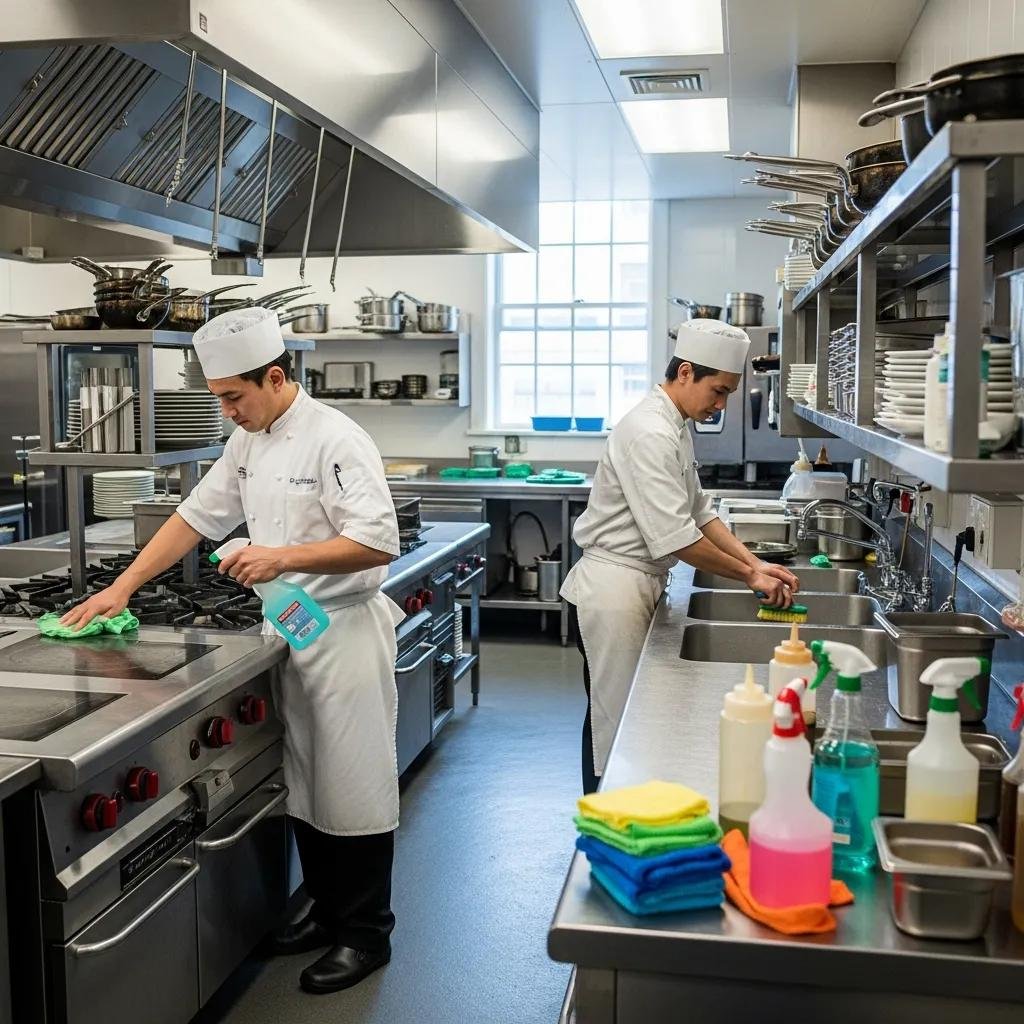
Complete Guide to Restaurant Kitchen Cleaning and Sanitation: Expert Commercial Kitchen Cleaning Services and Food Safety Compliance
Maintaining a clean and sanitary kitchen is crucial for any restaurant, not only for compliance with health regulations but also for ensuring the safety and satisfaction of customers. This comprehensive guide delves into the essential procedures for restaurant kitchen cleaning and sanitation, highlighting the importance of effective cleaning practices in preventing foodborne illnesses. As we explore the various aspects of commercial kitchen sanitation, you will learn about the specific cleaning protocols, the impact of food safety standards, and the benefits of using eco-friendly cleaning products. Additionally, we will discuss the frequency of cleaning, the role of staff training, and effective strategies for managing cleaning services. By the end of this guide, you will have a thorough understanding of how to maintain a clean and safe kitchen environment.
What Are the Essential Commercial Kitchen Deep Cleaning Procedures?
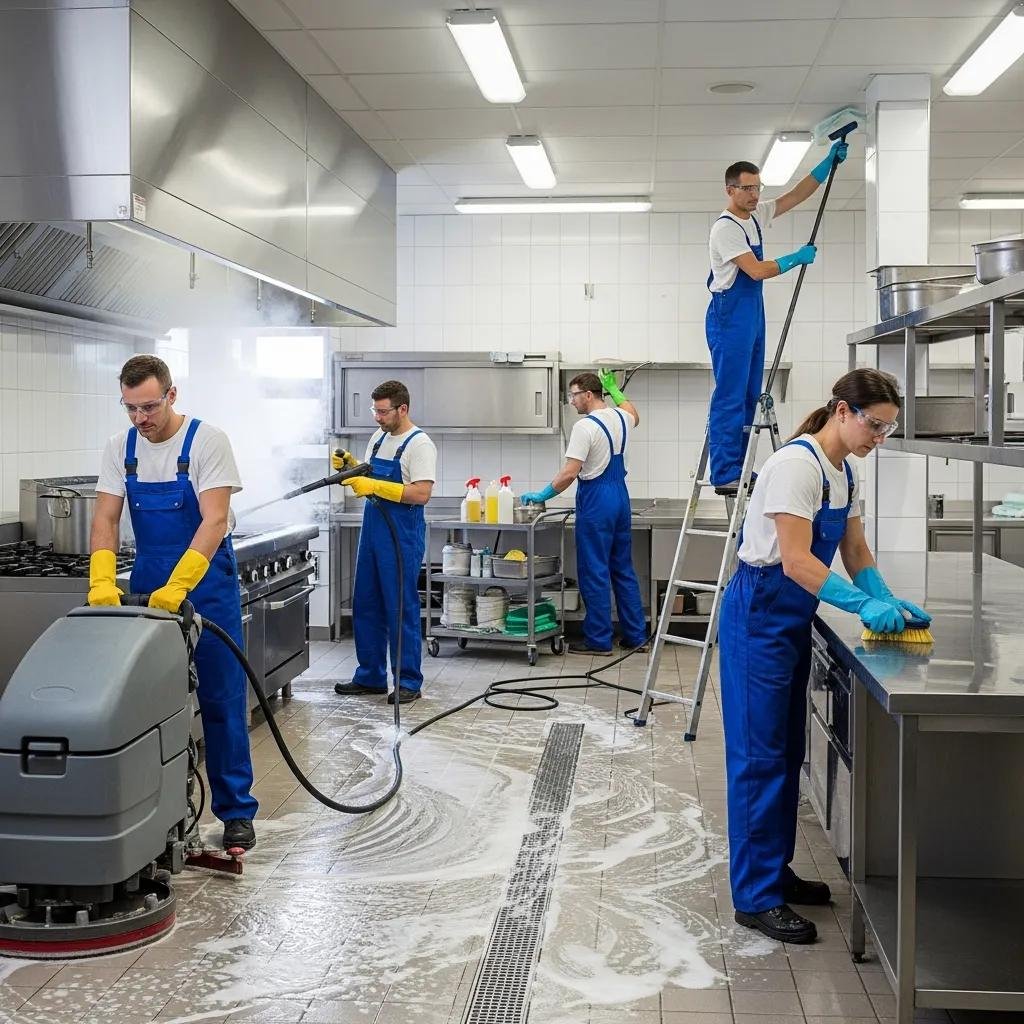
The essential commercial kitchen deep cleaning procedures include:
- High-touch disinfection.
- Carpet extraction.
- Grout scrubbing.
- Baseboard cleaning.
- Mechanical floor scrubbing or stripping and waxing.
These tasks are typically performed less frequently than routine janitorial work and focus on removing soil, biofilm, and embedded contaminants from surfaces. Deep cleaning is recommended after events, during seasonal transitions, or when inspections require documented cleanliness.
Step-by-step restaurant kitchen cleaning protocols for health and safety
To ensure health and safety in restaurant kitchens, a systematic approach to cleaning is essential. This includes:
- Preparation: Gather all necessary cleaning supplies and equipment.
- Disinfection: Start with high-touch areas such as door handles, light switches, and countertops using appropriate disinfectants.
- Surface Cleaning: Clean all surfaces, including floors, walls, and equipment, using suitable cleaning agents.
- Final Inspection: Conduct a thorough inspection to ensure all areas are clean and sanitized.
Implementing these protocols helps maintain a hygienic environment, reducing the risk of contamination and illness.
How to maintain grease traps and vent hood cleaning effectively
Maintaining grease traps and vent hoods is critical for preventing fire hazards and ensuring proper kitchen ventilation. Effective maintenance includes:
- Regular Inspections: Check grease traps and vent hoods weekly for buildup.
- Scheduled Cleaning: Clean grease traps at least once every 1 to 3 months depending on usage, and vent hoods every 3 to 6 months.
- Professional Services: Consider hiring professional cleaning services for thorough cleaning and compliance with local regulations.
By adhering to these practices, restaurants can ensure their kitchens remain safe and compliant with health standards.
Effective management of grease traps is a critical component of kitchen maintenance, as detailed by studies on best practices.
Restaurant Grease Trap Management & Maintenance
grease trap installation, operation, maintenance and waste disposal, followed by a walkthrough of the kitchen. and financial resources execute grease trap practices more diligently.
Evaluating grease trap management practices: A case study from Seri Kembangan,
Malaysia, LX Lee, 2025
How Do Food Safety and Sanitation Standards Impact Restaurant Kitchens?
Food safety and sanitation standards impact restaurant kitchens by ensuring that cleaning practices are effective in reducing illness transmission and maintaining hygiene. These standards require regular deep cleaning and specialized services to meet compliance requirements, which helps prevent contamination and supports a safe dining environment. Additionally, trained cleaning teams target high-touch surfaces and follow protocols that limit cross-contamination, thereby enhancing overall safety and compliance in restaurant operations.
Understanding FDA Food Code and health department regulations
The FDA Food Code provides guidelines for food safety and sanitation in restaurants. Key regulations include:
- Temperature Control: Maintaining proper food storage temperatures to prevent bacterial growth.
- Personal Hygiene: Ensuring staff follow hygiene practices, such as handwashing and wearing clean uniforms.
- Cleaning and Sanitizing: Regularly cleaning and sanitizing food contact surfaces to prevent cross-contamination.
Understanding these regulations is essential for restaurant operators to maintain compliance and ensure customer safety.
Further emphasizing the critical role of adherence to these guidelines, research highlights the challenges and importance of compliance with food safety standards.
Restaurant Food Safety Compliance & Training
The safety of food served to customers is obligatory for all food service establishments for public health effects. However, workplace barriers have led to noncompliance with safety standards resulting in food contamination and outbreak of foodborne diseases. This study assessed the compliance of restaurant facilities to standards by the Food and Drugs Authority’s (FDA) code of standards, awareness and training on the code and the workplace barriers to compliance.
Compliance to food safety standards: Determining the barriers within the hotel industry, EW Ansah, 2025
Preparing for health department inspections and compliance checks
To prepare for health department inspections and compliance checks, businesses should conduct a site walkthrough to identify access points, delicate finishes, and compliance-related cleaning needs. It’s essential to have clear checklists, scheduled inspections, and open communication channels to ensure consistent results. Regular briefings or monthly reviews can help adjust cleaning frequencies and tasks based on occupancy changes or complaints. Additionally, maintaining a documented plan that includes task lists and frequencies is crucial for meeting safety and compliance requirements.
What Are the Benefits of Using Eco Friendly Kitchen Cleaning Products?

The benefits of using eco-friendly kitchen cleaning products include:
- Improved Indoor Air Quality: Lower VOCs and fewer chemical odors lead to cleaner air.
- Reduced Illness Transmission: Safer disinfectants control pathogens without harsh residues.
- Stronger Stakeholder Perception: Clients and employees value sustainable practices.
- Healthier Work Environment: Reduces respiratory irritations and allergens through the use of low-VOC products and HEPA-filtered vacuums.
- Lower Environmental Impact: Biodegradable formulations break down safely, reducing waste and environmental harm.
Using eco-friendly products not only benefits the environment but also enhances the overall health and safety of the kitchen environment.
Advantages of non-toxic, environmentally responsible cleaning agents
The advantages of non-toxic, environmentally responsible cleaning agents include:
- Improved Indoor Air Quality: Lower VOCs and fewer chemical odors lead to cleaner air and reduced respiratory irritations.
- Reduced Illness Transmission: Safer disinfectants control pathogens without leaving harsh residues, contributing to a healthier environment.
- Stronger Stakeholder Perception: Clients and employees increasingly value sustainable practices, enhancing trust and confidence in procurement.
- Lower Environmental Impact: Biodegradable formulations break down safely, reducing harm to ecosystems and waste streams.
- Cleaner Air and Reduced Allergens: Use of HEPA-filter vacuums captures fine particulates, improving overall air quality.
These benefits highlight the importance of choosing eco-friendly cleaning products in commercial kitchens.
How eco friendly cleaning reduces environmental impact and health risks
Eco-friendly cleaning reduces environmental impact and health risks by using biodegradable ingredients and safer formulas that minimize harmful residues and emissions. Traditional cleaning products often contain volatile organic compounds (VOCs) that can worsen indoor air quality and contribute to respiratory problems. In contrast, eco-friendly methods improve indoor air quality by reducing chemical exposures and airborne particulates, leading to fewer respiratory irritations and lower absenteeism. Additionally, practices like HEPA-filtered vacuuming and microfiber dusting enhance air quality and reduce allergens, creating a healthier environment for occupants.
How Often Should Commercial Kitchens Be Cleaned and Sanitized?
Commercial kitchens should be cleaned and sanitized daily as part of routine janitorial tasks. Additionally, deep cleaning should be performed at least quarterly, after events, or during seasonal maintenance.
Recommended cleaning frequency and scheduling best practices
For effective cleaning frequency and scheduling best practices, consider the following:
- Break tasks into routines: Organize cleaning tasks into daily, weekly, and monthly schedules to ensure nothing is missed. Use checklists for efficiency and accountability.
- Daily tasks: Focus on high-traffic areas to prevent grime and bacteria buildup. Daily janitorial work is essential for maintaining facility health.
- Deepcleaning: Schedule deep cleaning at least quarterly, or more frequently for high-traffic areas or health-sensitive industries. It is also recommended after events or during seasonal transitions.
- Specialized services: These should be scheduled based on specific needs, such as medical office cleaning, which requires stricter protocols.
- Regular reviews: Conduct monthly reviews to adjust cleaning frequencies and tasks based on wear patterns and occupancy changes.
- Clear communication: Maintain open channels for feedback and ensure documented service-level expectations to foster a reliable partnership.
By following these practices, you can create a consistent and effective cleaning schedule that meets the needs of your facility.
Balancing routine maintenance with deep cleaning requirements
Balancing routine maintenance with deep cleaning requirements involves establishing a clear schedule that differentiates between daily, weekly, and monthly tasks. Routine janitorial tasks, such as trash removal and surface cleaning, should be performed daily to maintain facility health and prevent buildup. Deep cleaning, which includes more intensive tasks like high-touch disinfection and carpet extraction, should be scheduled at least quarterly or after significant events. This structured approach ensures that both routine upkeep and deeper cleaning needs are met effectively, supporting overall facility maintenance and hygiene standards.
How Can Staff Training and Certification Improve Kitchen Sanitation?
Staff training and certification can improve kitchen sanitation by ensuring that cleaning protocols are followed consistently and effectively. Trained staff are more likely to target high-touch surfaces, limit cross-contamination, and adhere to safety and compliance requirements. This reduces the risk of illness transmission and enhances overall workplace safety, creating a cleaner and more reliable environment that supports staff performance. Additionally, trained teams can document results and adjust cleaning frequencies based on traffic patterns, further optimizing sanitation efforts.
Importance of sanitation training for restaurant staff
Sanitation training is crucial for restaurant staff to understand the importance of hygiene and food safety. Training programs should cover:
- Proper Handwashing Techniques: Ensuring staff know when and how to wash their hands effectively.
- Cleaning Protocols: Teaching the correct methods for cleaning and sanitizing surfaces and equipment.
- Personal HygieneStandards: Emphasizing the importance of maintaining personal cleanliness to prevent contamination.
By investing in sanitation training, restaurants can significantly reduce the risk of foodborne illnesses and enhance overall safety.
Certification programs and ongoing education for food safety compliance
Certification programs provide essential training for food safety compliance, ensuring that staff are knowledgeable about current regulations and best practices. Ongoing education is vital for keeping staff updated on new standards and techniques. Key aspects include:
- Food Safety Manager Certification: A comprehensive program that covers all aspects of food safety and sanitation.
- Regular Workshops: Offering periodic training sessions to reinforce knowledge and skills.
- Online Resources: Providing access to updated materials and guidelines for continuous learning.
These initiatives help maintain high standards of cleanliness and compliance in restaurant kitchens.
What Are Effective Strategies for Scheduling and Managing Commercial Kitchen Cleaning Services?
Effective strategies for scheduling and managing commercial kitchen cleaning services include:
- Planned and Consistent Cleaning: Ensure that cleaning is not accidental but rather planned and consistent to lower illness transmission and meet safety requirements.
- Task Breakdown: Break cleaning tasks into daily, weekly, and monthly routines to ensure nothing is missed. Use checklists to enhance efficiency and protect facilities and staff.
- Clarity in Responsibilities: Clearly define what tasks are to be done, how often, and who is responsible. Time-based checklists help make operations repeatable and reliable.
- Daily Maintenance: Focus on daily tasks that target high-traffic areas to prevent grime and bacteria buildup, which can reduce long-term maintenance costs.
- Consistency and Speed: Daily janitorial work should be consistent and quick to make deeper cleaning services more effective.
- Quality Assurance: Implement scheduled inspections, documented checklists, and open feedback channels to ensure consistent results and continuous improvement.
- Flexible Scheduling: Arrange cleaning services to minimize disruption to operations, with agreed-upon schedules that allow for flexibility.
- Regular Reviews: Conduct regular briefings or monthly reviews to adjust cleaning frequencies and tasks based on wear patterns or occupancy changes.
By following these strategies, commercial kitchen cleaning services can be effectively scheduled and managed to maintain a clean and safe environment.
Coordinating cleaning services with restaurant operations
To coordinate cleaning services with restaurant operations, it is essential to develop a customized cleaning plan that considers the restaurant’s specific needs, traffic patterns, and compliance requirements. This involves conducting a site walkthrough to assess the space and identify high-touch areas. Scheduling should be flexible to minimize disruption to restaurant operations, potentially including day or night work. Regular communication and quality assurance practices, such as checklists and inspections, are crucial to ensure consistent results and address any issues promptly.
Leveraging professional cleaning providers for consistent sanitation
Leveraging professional cleaning providers for consistent sanitation offers several key benefits, including improved employee productivity, enhanced safety and compliance, and cost predictability. Professional cleaners reduce illness transmission, maintain high-traffic areas, and help meet safety expectations, which collectively create a safer and more reliable workplace. Additionally, outsourcing cleaning tasks allows businesses to control cleaning expenses through service-level agreements and shifts the burden of hiring and training to the provider. Regular quality assurance practices, such as checklists and inspections, ensure consistent results and open communication between the provider and facility manager.
| Cleaning Procedure | Frequency | Best Practices |
|---|---|---|
| High-touch disinfection | Daily | Use EPA-approved disinfectants |
| Deep cleaning | Quarterly | Schedule during off-peak hours |
| Vent hood cleaning | Every 3 to 6 months | Hire professional services |
| Grease trap maintenance | Every 1 to 3 months | Inspect and clean regularly |
This table outlines essential cleaning procedures, their recommended frequencies, and best practices to ensure compliance and safety in commercial kitchens.
| Eco-Friendly Product | Benefit | Environmental Impact |
|---|---|---|
| Biodegradable cleaners | Safe for food contact surfaces | Reduces chemical runoff |
| Low-VOC disinfectants | Improves indoor air quality | Minimizes air pollution |
| Reusable cleaning tools | Cost-effective | Reduces waste generation |
This table compares various eco-friendly cleaning products, highlighting their benefits and environmental impacts, emphasizing the importance of sustainable practices in commercial kitchens.
By implementing these strategies and utilizing eco-friendly products, restaurants can maintain a clean, safe, and compliant kitchen environment that prioritizes both health and sustainability.

CEO
With 14+ years in commercial cleaning, I provide reliable, high-quality service for medical, office, and corporate spaces. Renowned for attention to detail, eco-friendly solutions, and building trusted client relationships across Central Florida.