
Green Cleaning vs Traditional Methods: What You Need to Know
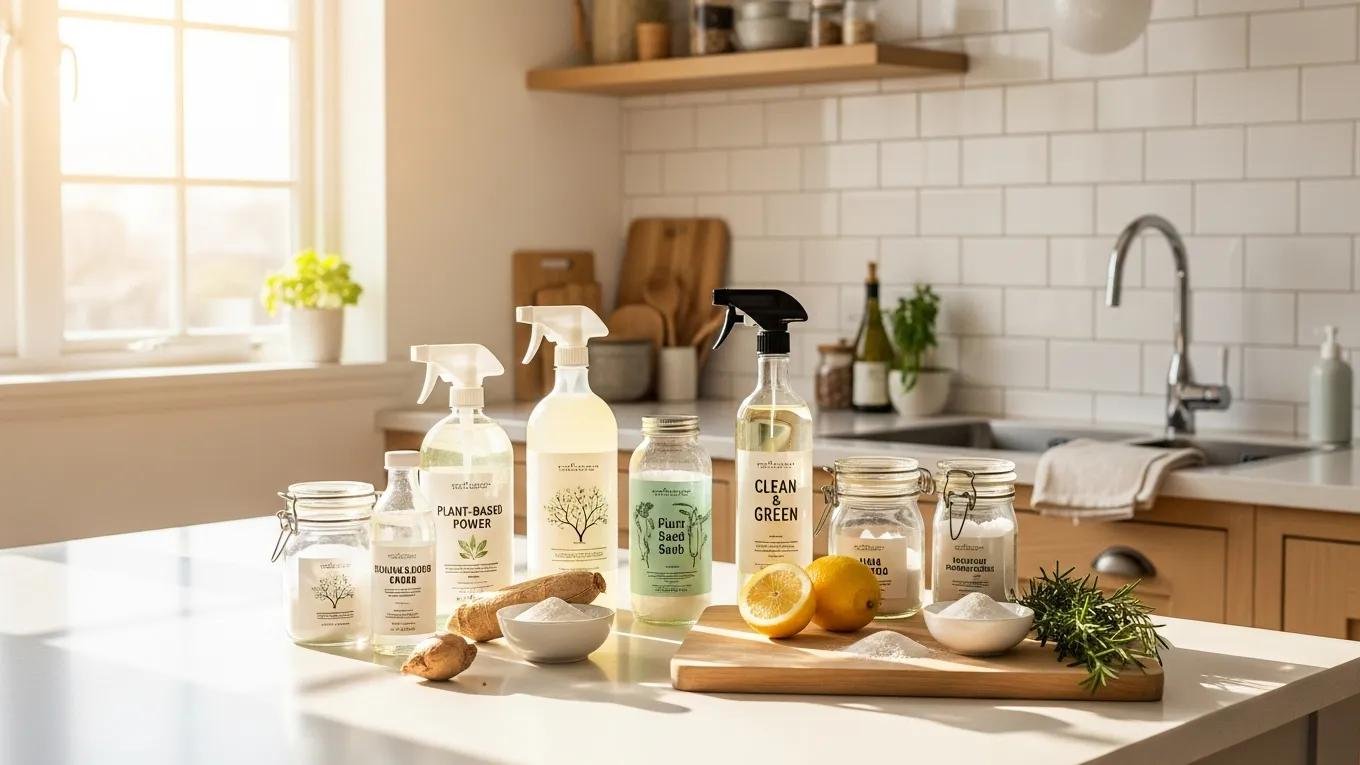
Green Cleaning vs Traditional Methods: Essential Insights for Eco-Friendly and Effective Cleaning

By Edgard Jimenez, The Green Bucket
Demand for environmentally responsible practices has increased interest in how green cleaning compares with traditional methods. This article summarises the core differences, benefits, and trade-offs so readers can choose safer, effective approaches that fit their needs. Green cleaning substitutes harsh chemicals with eco-friendlier formulations to reduce health and environmental risks, while traditional methods rely on stronger agents that can offer fast, heavy-duty results.
Comparison of Green Cleaning and Traditional Cleaning Methods
Both approaches aim to maintain hygiene, but they differ in ingredients, performance, health impact, and environmental footprint.
Environmental Impact:
Green cleaning prioritises biodegradable, naturally derived ingredients that reduce VOCs and pollution. Traditional products often contain synthetic chemicals that can contribute to air and water contamination; choosing green options lowers that footprint and supports sustainability goals.
Effectiveness:
Traditional cleaners typically act quickly on heavy soils and stains. Many green products now deliver comparable results for routine cleaning, though speed and suitability depend on the task and product selection.
Health Considerations:
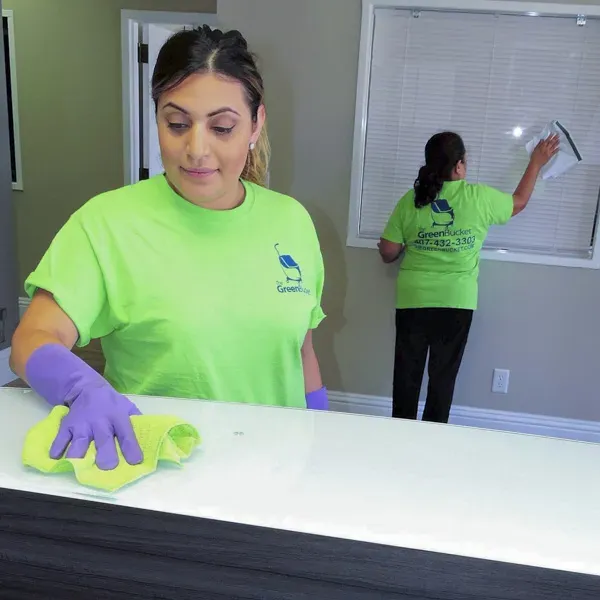
Chemical cleaners can cause respiratory and skin irritation; green alternatives reduce exposure to irritants and VOCs and can improve indoor air quality and occupant health when used correctly.
What Are the Key Differences Between Green Cleaning and Traditional Chemical Cleaning?
Decisions should weigh health outcomes, operational needs, and environmental sustainability rather than rely on assumptions about one approach being universally superior.
Environmental Impact:
Traditional chemical cleaners may release persistent toxins that harm ecosystems. Green approaches favour biodegradable ingredients and practices that limit ecological damage and improve indoor environments, supporting efforts to protecting the planet.
Health Effects:
Chemical cleaners are linked to allergic reactions and respiratory issues, especially for vulnerable people. Green products minimise exposure to hazardous substances and help create a safer indoor atmosphere.
Efficacy:
Both methods can meet cleaning standards when products and protocols are chosen to match the challenge; green formulations increasingly meet commercial and residential needs.
Cost Considerations:
Green products can have higher unit prices but may lower total cost of ownership by reducing health-related expenses and simplifying waste handling. Assess long-term value rather than only upfront cost.
How Do Natural Cleaning Methods Reduce Environmental Impact?
Natural cleaning relies on materials that break down more readily and avoids persistent pollutants, reducing contamination of soil and waterways. Businesses that prioritise these products also encourage sustainable behaviour among customers and stakeholders.
Which Chemicals Are Common in Traditional Cleaning and What Are Their Risks?
Conventional cleaners often include bleach, ammonia, and some surfactants. These can cause a range of hazards, including:
- Respiratory Issues: Fumes can aggravate breathing problems, particularly in poorly ventilated spaces.
- Skin Irritations: Direct contact with strong chemicals may cause rashes and other dermal reactions.
- Environmental Pollution: Some compounds resist breakdown and can harm aquatic life and ecosystems when discharged.
Recognising these risks helps organisations and individuals prioritise safety while maintaining cleanliness.
What Are the Health and Safety Benefits of Choosing Eco-Friendly Cleaning Products?
Eco-friendly products reduce exposure to hazardous substances and support cleaner indoor air, which benefits people with allergies or respiratory conditions and contributes to overall well-being.
How Does Green Cleaning Improve Indoor Air Quality and Reduce Health Hazards?
Using non-toxic ingredients lowers concentrations of volatile organic compounds (VOCs) and other pollutants. Facilities that adopt green cleaning report fewer respiratory complaints and allergic reactions, illustrating the link between cleaning choices and occupant health.
What Safety Standards and Certifications Support Environmentally Safe Cleaning Techniques?
Recognised certifications verify environmental and safety claims. Certified products typically show they are:
- Biodegradable: Ingredients break down into non-harmful substances after disposal.
- Non-Toxic: Formulations do not present significant health hazards to people or ecosystems.
- Sustainable: Sourcing and manufacturing minimise environmental impact.
Look for third-party verification and transparent ingredient lists when choosing products.
How Do Costs and Efficiency Compare Between Green Cleaning and Traditional Methods?
Evaluate both immediate expenses and long-term outcomes. Traditional cleaners may be cheaper upfront, but recurring health costs and regulatory liabilities can increase total expense. Regular use of green solutions can protect health and extend facility service life, making them a strategic investment for many organisations, including commercial cleaning programmes.
What Are the Cost Implications for Commercial Cleaning Services Using Green Products?
Many commercial firms are shifting to green products because client demand and regulation favour sustainability. Although initial costs can be higher, companies often realise savings through fewer health-related absences and improved workplace satisfaction, and they may attract sustainability-minded clients such as those using janitorial services.
Does Green Cleaning Provide Comparable or Superior Cleaning Efficiency?
Green cleaning can match traditional methods in many use cases and may be preferable where ongoing indoor air quality and safety are priorities. Choose methods based on cleaning needs, regulatory requirements, and health objectives.
Which Commercial and Specialized Cleaning Applications Benefit Most from Green Cleaning?
Green cleaning suits a range of applications, including:
- Office Cleaning: Reduces chemical exposure for employees and fosters a healthier workplace.
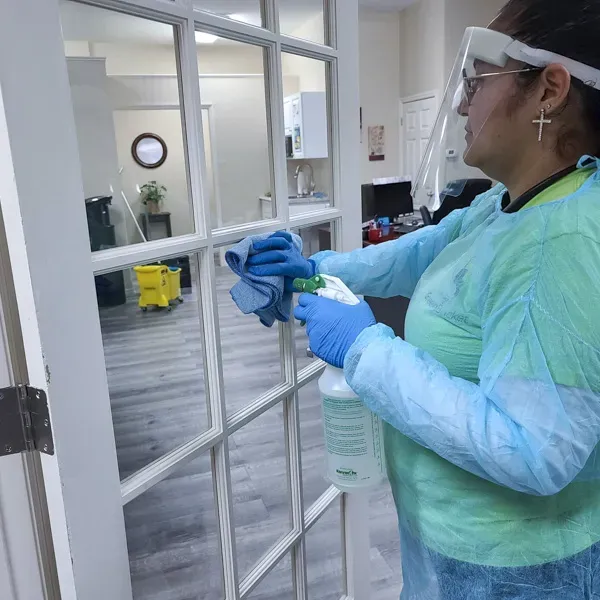
- Medical Cleaning: Can be aligned with clinical protocols to support infection control while reducing hazardous exposures.
- Deep Cleaning: Uses specialised green techniques to address heavy soil while limiting environmental impact.
How Is Green Cleaning Applied in Offices, Medical, and Deep Cleaning Services?
Application varies by setting. In office environments, non-toxic cleaners reduce complaints about odors and health issues. In medical facilities, green protocols can be integrated with clinical standards. Deep cleaning services use targeted green methods for heavy soil and specialised needs.
For specialised requirements, medical office cleaning focuses on contaminant removal without relying on harmful chemicals; professional deep cleaning services apply green techniques for thorough, safe results.
Frequently Asked Questions
1. What are the most common misconceptions about green cleaning?
People often assume green products are always less effective or always more expensive. In reality, many eco-friendly formulations now perform well, and long-term health and operational savings can offset higher unit prices.
2. How can I identify truly eco-friendly cleaning products?
Seek recognised certifications such as EPA Safer Choice or Green Seal, review ingredient lists for known hazards, and prefer manufacturers that provide transparent, third-party verification.
3. Can green cleaning methods be as effective for commercial settings as traditional methods?
Yes. With proper product selection, training, and protocols, businesses can achieve comparable cleanliness while lowering health risks and improving employee satisfaction.
4. Are homemade cleaning solutions safe and effective?
Homemade solutions (for example, vinegar or baking soda mixes) can work for many tasks but require correct preparation; disinfecting often needs validated concentrations and methods, so follow trusted guidance.
5. What should I consider when switching from traditional to green cleaning products?
Consider product compatibility with existing procedures, facility needs, and staff training. Implement changes gradually, monitor results, and adjust protocols as needed.
6. How can businesses benefit from adopting green cleaning practices?
Benefits include reduced employee illness and absenteeism, better workplace morale, enhanced brand reputation with sustainability-minded clients, and potential long-term cost savings and compliance advantages.
7. Is it necessary to wear protective gear when using green cleaning products?
Protective equipment may still be appropriate for heavy-duty tasks or for workers with sensitivities. Gloves or masks can reduce exposure even when using eco-friendly cleaners.