
Post-Construction Cleaning Services for Commercial Properties
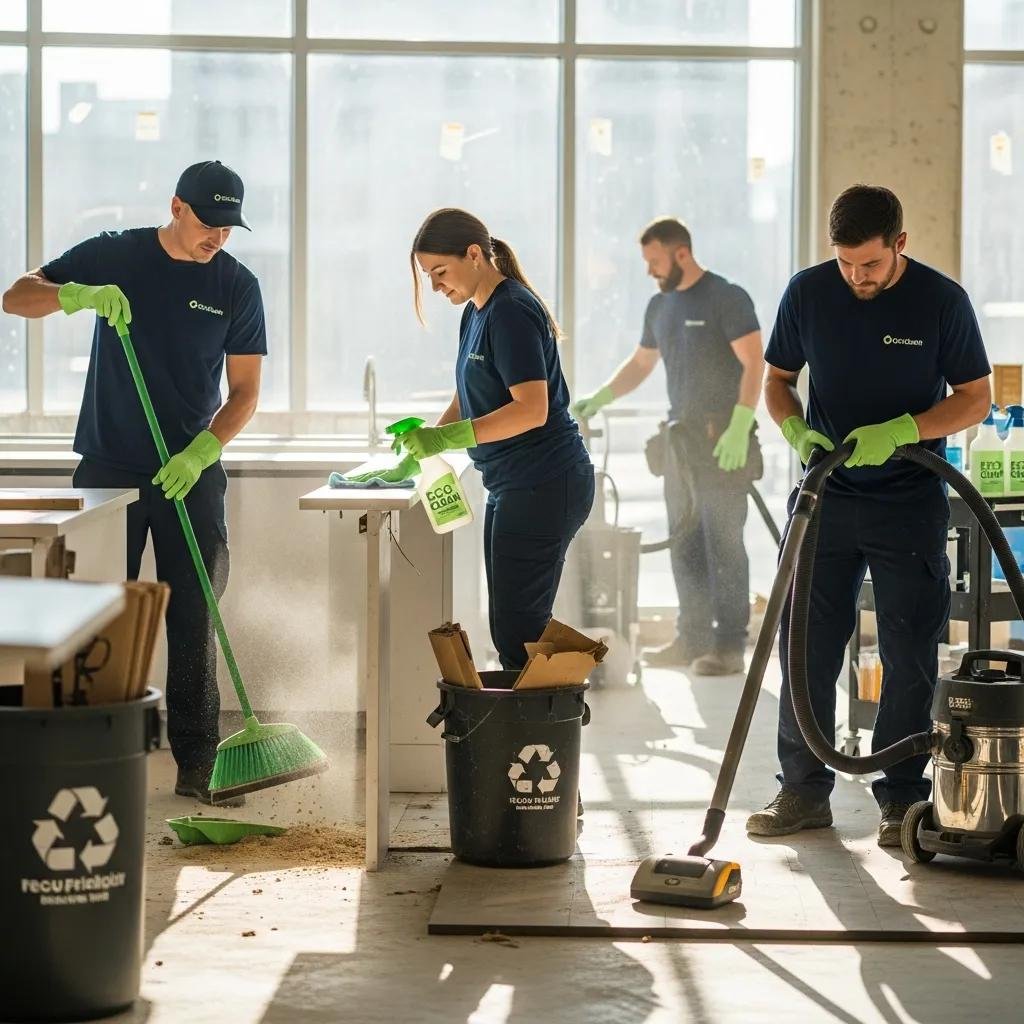
Post-Construction Cleaning Services for Commercial Properties: Professional, Eco-Friendly Solutions for Central Florida
Post-construction cleaning is a crucial step in preparing commercial properties for occupancy, ensuring that spaces are not only clean but also safe and welcoming. This article delves into the essential aspects of post-construction cleaning services, focusing on the key steps involved, the benefits of eco-friendly cleaning products, and the health and safety standards that govern these services. Readers will learn about the specific tasks that make up a thorough cleaning process and how these practices contribute to a healthier environment for occupants. As many businesses face the challenge of maintaining cleanliness after construction, understanding the nuances of professional cleaning services can provide significant advantages. This guide will cover the steps in professional cleaning, the role of eco-friendly products, health standards, best practices for debris removal, and what clients can expect when hiring these services.
What Are the Key Steps in Professional Post-Construction Cleaning?
Professional post-construction cleaning involves several critical steps designed to ensure that a newly constructed or renovated space is thoroughly cleaned and ready for use. The process typically begins with a comprehensive assessment of the site to identify areas that require special attention. This initial evaluation helps in planning the cleaning strategy effectively. The key steps include debris removal, detailed cleaning of surfaces, and final inspections to ensure compliance with health and safety standards.
How Is Construction Debris Removal Managed in Commercial Cleanup?
Construction debris removal is a vital aspect of post-construction cleaning, as it involves the safe and efficient disposal of materials left over from the building process. This includes items such as wood scraps, metal pieces, and packaging materials. Effective management of debris removal typically involves:
- Site Walkthroughs: Facility managers conduct walkthroughs to identify access points and sensitive areas that require careful handling.
- Safety Protocols: Adhering to safety protocols ensures that hazardous materials are disposed of properly, minimizing risks to workers and the environment.
- Collaboration with Reputable Providers: Working with experienced cleaning services that specialize in construction cleanup helps maintain operational standards and efficiency.
These practices ensure that the site is not only clean but also safe for future occupants.
What Does Final Cleaning for Commercial Buildings Include?
Final cleaning for commercial buildings is a comprehensive process that goes beyond basic cleaning tasks. It typically includes:
- Deep Cleaning Tasks: This involves thorough cleaning of all surfaces, including floors, windows, and fixtures, to remove dust and residues left from construction.
- High-Touch Disinfection: Special attention is given to high-touch areas such as doorknobs, light switches, and countertops to ensure they are sanitized.
- Specialized Services: Depending on the facility’s needs, additional services such as carpet extraction and grout cleaning may be included.
Final cleaning is typically performed once after construction completion to prepare the space for occupancy. Regular cleaning schedules such as quarterly or after events are part of ongoing maintenance rather than post-construction cleaning.
How Do Eco-Friendly Cleaning Products Enhance Post-Construction Services?
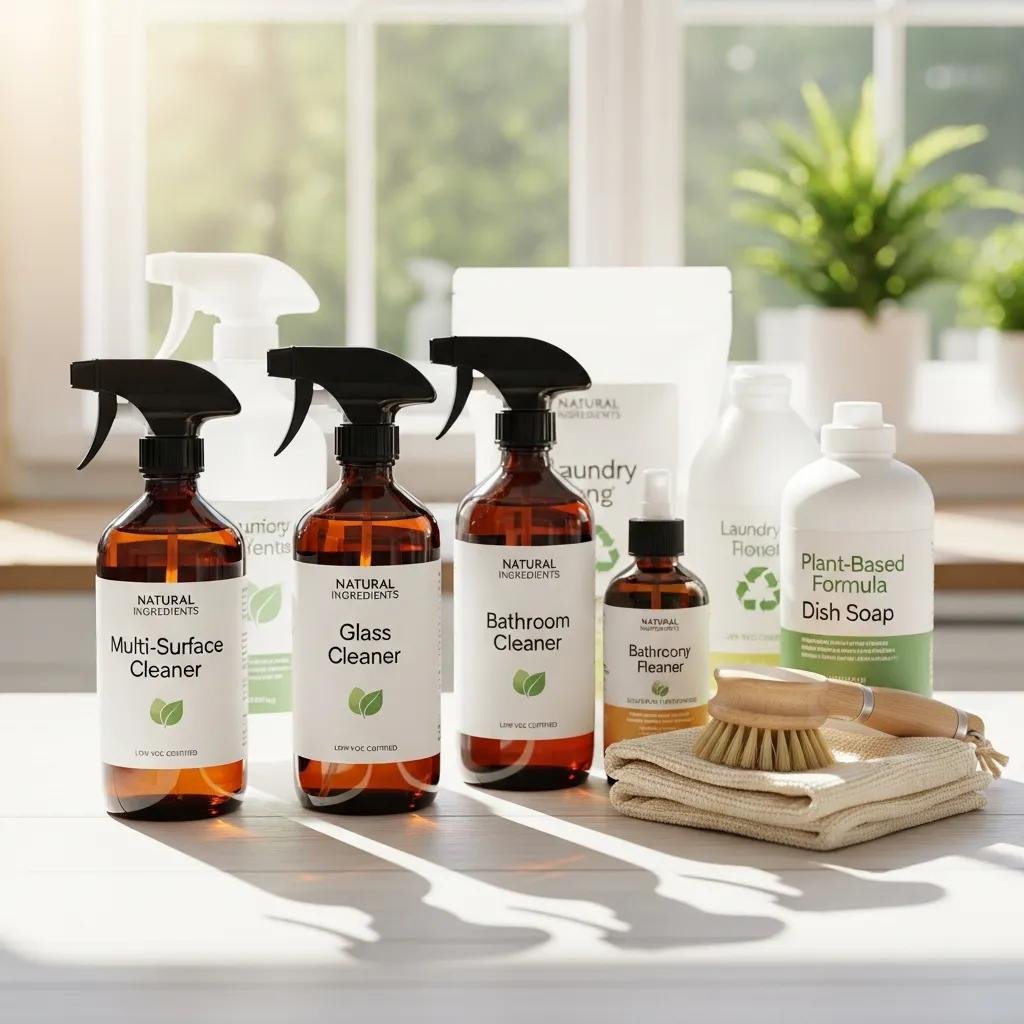
Eco-friendly cleaning products play a significant role in enhancing post-construction cleaning services by improving indoor air quality and reducing harmful exposures. These products utilize low-VOC formulas and biodegradable ingredients, which help minimize respiratory irritations and environmental impact. The use of eco-friendly cleaning solutions not only supports better health outcomes but also contributes to a more sustainable cleaning process.
What Are the Benefits of Using Green Commercial Cleaning Solutions?
The benefits of using green commercial cleaning solutions include:
- Improved Indoor Air Quality: Lower VOCs and fewer chemical odors contribute to a healthier environment for occupants.
- Reduced Illness Transmission: Safer disinfectants control pathogens without harsh residues, leading to fewer sick days among employees.
- Stronger Stakeholder Perception: Clients and employees value sustainable practices, enhancing the company’s image.
- Healthier Work Environment: Green cleaning methods reduce airborne particulates and irritants, improving overall occupant health.
- Lower Environmental Impact: Biodegradable formulations and low-emission products minimize harm to ecosystems.
These benefits collectively create a more comfortable and productive workplace.
Further emphasizing the broader impact of eco-friendly practices, research highlights how such services contribute to overall health and wellbeing, aligning with sustainable development goals.
Eco-Friendly Cleaning for Health & Wellbeing
This paper aims to showcase an eco-friendly housecleaning service conceptual model with an innovative digital platform, closely tied to the Sustainable Development Goals which are specifically aligns with SDG 1 (No Poverty), SDG 3 (Good Health and Wellbeing), SDG 4 (Quality Education) and SDG 8 (Decent Work and Economic Growth). The primary challenge is addressing the pressing need for individuals who lack the time to clean their homes due to their demanding work schedules in the pursuit of a paycheck. In addition to the commitment in lessening the struggle, eco-friendly housekeeping services extend a specialized offering known as thesertuservice to our Muslim customers. This unique service ensures a meticulous cleansing of areas and items that may come into contact withnajis mughallazah, providing Muslim clientele with a heightened sense of cleanliness and confidence for their daily activities, especially prayers. Within this business, the customer base comprises two distinct
A CONCEPTUAL BUSINESS MODEL FOR HOUSECLEANING MASTER DEBU: ECO-FRIENDLY ENHANCEMENT, SERTU SERVICES, B40 CLEAN-PRENUER …, 2024
How Do Eco-Friendly Products Comply with Environmental Safety Standards?
Eco-friendly products comply with environmental safety standards by carrying third-party certifications that verify their claims, such as Green Seal and EPA Safer Choice. These products often feature attributes like low-VOC formulas, biodegradability, and reduced toxic ingredients, which help ensure safety and performance. Additionally, procurement teams can confirm compliance by reviewing product data sheets and certification documentation.
Which Health and Safety Standards Govern Post-Construction Cleaning?
Health and safety standards are crucial in governing post-construction cleaning to ensure that the cleaning processes do not compromise the well-being of occupants. These standards dictate the types of cleaning products that can be used and the methods employed to maintain a safe environment.
How Is Indoor Air Quality Improved Through Construction Dust Mitigation?
Indoor air quality is improved through construction dust mitigation by using methods such as HEPA-filter vacuums, which capture fine particulates, leading to cleaner air and reduced allergens. Additionally, green cleaning practices that limit airborne particulates and residues contribute to better indoor air quality, which is associated with lower absenteeism and higher occupant comfort.
The effectiveness of specialized equipment like vacuums in controlling hazardous dust, such as respirable crystalline silica, is a critical area of study in construction safety.
Construction Vacuums for Respirable Silica Control
Workers in the construction industry are known to be at risk of high exposures to respirable crystalline silica (RCS). Local exhaust ventilation (LEV) has been proposed by regulators as a primary method to control RCS exposure to construction workers. However, real-world data on the effectiveness of LEV in controlling RCS exposure is limited with available studies providing varying results. This study looks at the use and performance of vacuums, a common type of LEV available, used in conjunction with different hand tools on real-world constructions sites.
Evaluation of factors affecting the performance of vacuums used to control respirable crystalline silica in the British Columbia construction industry, 2020
What Protocols Ensure Compliance in Medical and Financial Facilities?
In sensitive environments such as medical and financial facilities, compliance protocols are essential to ensure that cleaning practices meet stringent health standards. These protocols often include:
- Regular Training: Staff must be trained in the latest cleaning techniques and safety standards.
- Documentation: Keeping detailed records of cleaning activities and compliance checks is crucial for audits and inspections.
- Use of Approved Products: Only cleaning products that meet specific safety and efficacy standards are used.
These measures help maintain a safe and compliant environment for all occupants.
What Are Best Practices for Construction Debris Removal in Commercial Properties?
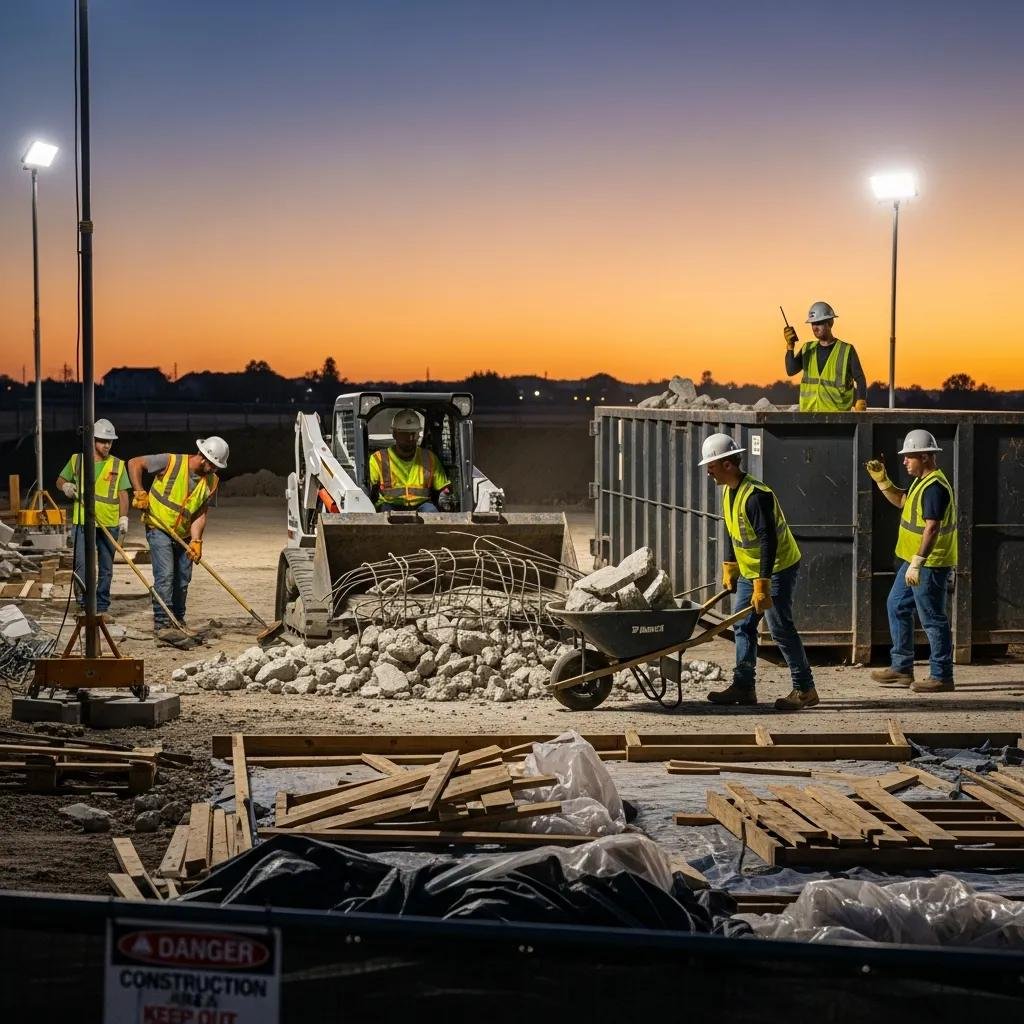
Best practices for construction debris removal in commercial properties focus on efficiency and safety. Effective coordination and the right tools are essential for successful cleanup.
How Do Facility Managers Coordinate Efficient Debris Cleanup?
Facility managers coordinate efficient debris cleanup by preparing for site walkthroughs to identify access points, delicate finishes, and compliance-related cleaning needs. They work with reputable providers who maintain operational standards and offer flexible scheduling to minimize disruption. Effective quality assurance practices, such as clear checklists, scheduled inspections, and open communication channels, ensure consistent results and allow for adjustments based on traffic patterns and occupancy changes. Regular briefings and documented service-level expectations help maintain alignment between the facility manager and the cleaning provider.
What Tools and Techniques Optimize Construction Site Cleaning?
The tools and techniques that optimize construction site cleaning include:
- Routine Janitorial Services: Daily tasks such as trash removal, surface dusting, vacuuming, and restroom sanitation to maintain cleanliness.
- Deep Cleaning: Use of heavier-duty equipment and stronger processes for high-touch disinfection, carpet extraction, and fixture cleaning, typically scheduled quarterly or after events.
- Specialized Services: Industry-specific cleaning, such as medical office cleaning, which follows stricter disinfection protocols.
- Checklists: Daily, weekly, and monthly routines to ensure tasks are not missed and to enhance efficiency.
- Eco-Friendly Products: Utilizing low-VOC products and advanced filtration to improve indoor air quality and reduce harmful exposures.
- Quality Assurance Practices: Scheduled inspections, documented checklists, and open feedback channels to ensure consistent results.
These methods help maintain a clean, safe, and compliant construction site.
How Are Sector-Specific Cleaning Needs Addressed in Post-Construction Services?
Sector-specific cleaning needs in post-construction services are addressed through a combination of routine janitorial, deep cleaning, and specialized services tailored to the specific requirements of different industries.
What Tailored Approaches Are Used for Medical Facilities?
Tailored approaches for medical facilities include:
- Specialized Cleaning Protocols: Medical office cleaning follows stricter disinfection protocols and recordkeeping than general office work, ensuring compliance with health standards.
- Hospital-Grade Disinfection: This involves using specialized products and methods to control infection risks effectively.
- Documented Procedures: Maintaining records of cleaning activities and compliance steps is crucial for medical facilities.
- Flexible Scheduling: Cleaning services are scheduled to minimize disruption to operations, often during off-hours.
- Regular Inspections and Quality Assurance: Consistent performance tracking through checklists, inspections, and feedback loops ensures that cleaning meets the required standards.
These approaches help maintain a safe and compliant environment in medical facilities.
How Is Cleaning Customized for Financial Sector Buildings?
Cleaning for financial sector buildings is customized through a structured approach that includes routine janitorial services, deep cleaning, and specialized services. Routine janitorial tasks involve daily upkeep such as trash removal, surface dusting, and restroom sanitation to maintain a clean and safe environment. Deep cleaning focuses on high-touch areas and uses more intensive methods, while specialized services may include compliance steps and documentation tailored to the financial sector’s specific needs. This structured cleaning ensures that facilities meet safety and compliance requirements, reduce illness transmission, and extend asset life.
What Should Commercial Clients Expect When Hiring Post-Construction Cleaning Services?
When hiring post-construction cleaning services, commercial clients should expect a dependable partnership that includes an initial site walkthrough, a tailored cleaning plan, agreed scheduling, and ongoing quality assurance with open communication. The provider will assess the site to understand traffic patterns, sensitive areas, and compliance needs, leading to a documented plan and schedule. Clients can anticipate clear task lists, recommended frequencies, and flexibility in scheduling to minimize disruption to operations. Regular quality checks and feedback channels will ensure consistent results and allow for adjustments based on occupancy changes or specific needs.
How Does The Green Bucket Ensure Professionalism and Thoroughness?
The Green Bucket ensures professionalism and thoroughness through several key practices:
- Qualified Staff: The team is licensed, insured, and consists of background-checked uniformed staff, which provides assurance of professionalism.
- Flexible Scheduling: They offer 24/7 flexibility to avoid disrupting operations, ensuring that cleaning services can be tailored to the client’s needs.
- Quality Assurance: Consistent results are achieved through clear checklists, scheduled inspections, and open feedback channels. This includes supervisor walkthroughs, documented checklists with sign-offs, and periodic performance reports.
- Transparent Communication: Regular briefings or monthly reviews help adjust cleaning frequencies and tasks based on specific needs, ensuring alignment between the provider and the client.
- Customized Service: The initial site walkthrough allows for an accurate assessment of needs, leading to a detailed inventory and recommended actions tailored to the client’s requirements.
These practices create a structured approach that supports smooth onboarding and reliable ongoing service, ensuring that both parties maintain aligned expectations and measurable outcomes.
What Are Common Client Questions About Post-Construction Cleaning?
Common client questions about post-construction cleaning may include:
- What specific tasks are included in post-construction cleaning?
- How soon after construction can cleaning services begin?
- What types of cleaning products are used, and are they eco-friendly?
- How do you handle debris and hazardous materials left from construction?
- What is the estimated time required to complete the post-construction cleaning?
- Are there any special considerations for cleaning different types of surfaces or finishes?
- How do you ensure that the cleaning meets safety and compliance standards?
- Can you provide references or examples of previous post-construction cleaning projects?
This comprehensive approach to post-construction cleaning ensures that commercial properties are not only clean but also safe and ready for occupancy.

CEO
With 14+ years in commercial cleaning, I provide reliable, high-quality service for medical, office, and corporate spaces. Renowned for attention to detail, eco-friendly solutions, and building trusted client relationships across Central Florida.