
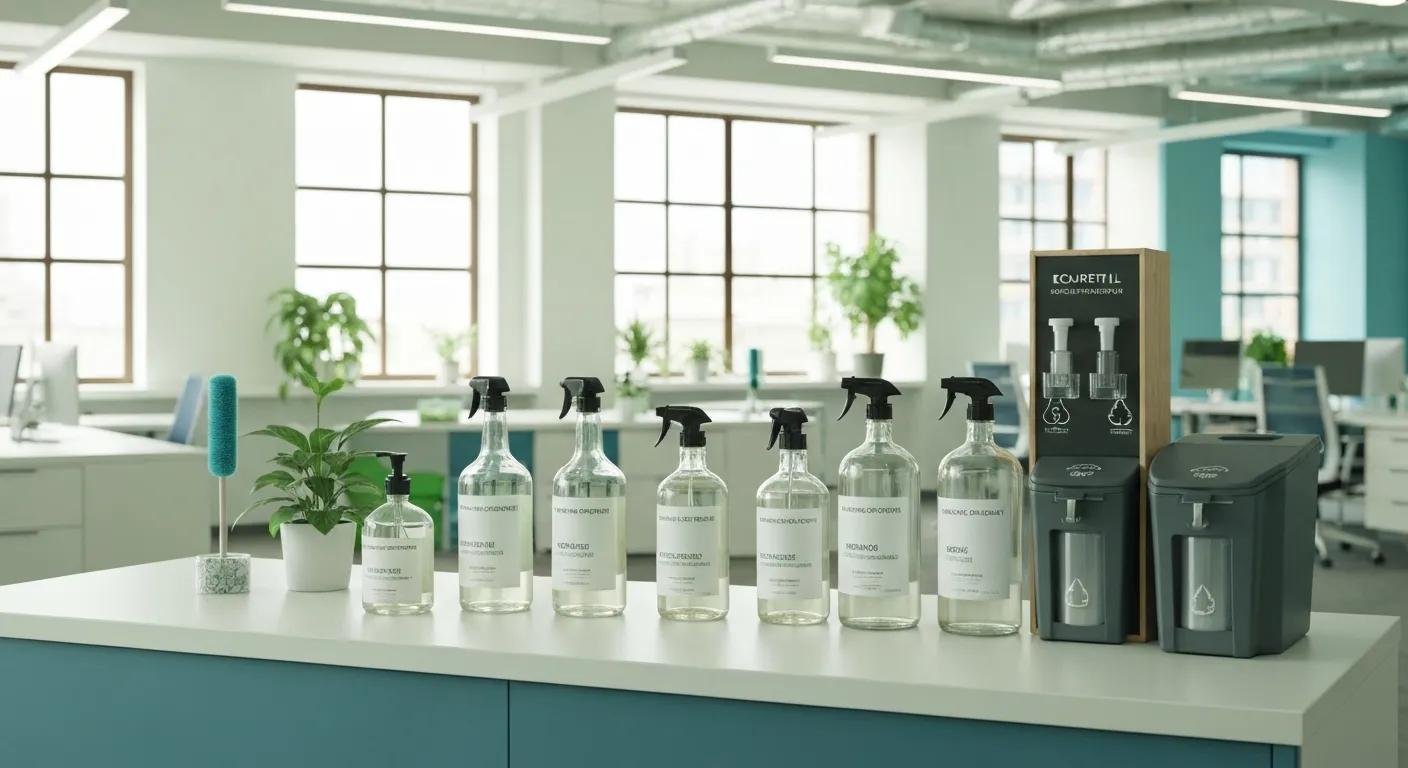
Eco‑Friendly Commercial Cleaning: Better Health, Greener Operations, Smarter Business Results
Eco‑friendly commercial cleaning lowers chemical hazards, improves indoor air quality, and protects building assets — all while keeping your facility running smoothly. This guide defines sustainable commercial cleaning, explains how green products and protocols work, and shows why facilities managers and office leaders should prioritize non‑toxic cleaning to cut VOC exposure and reduce absenteeism. You’ll find practical operations tips — microfiber systems, HEPA filtration, low‑VOC disinfectants — plus clear ways to evaluate certified green products and the environmental and economic benefits that add up to long‑term ROI. We also cover measurable outcomes for regulated settings like medical offices and financial institutions, then share how The Green Bucket brings a health‑first approach to Central Florida. Read on for concise definitions, step‑by‑step processes, comparison tables, and straightforward actions facility decision‑makers can use to move from traditional cleaning to a sustainable, health‑focused program.
What Are Eco-Friendly Commercial Cleaning Services and How Do They Work?
Eco‑friendly commercial cleaning blends certified, low‑toxicity products with efficient equipment and repeatable protocols to lower health and environmental risks while keeping spaces clean and presentable. Instead of relying on harsh solvents, these services use plant‑based or low‑VOC chemistries, controlled dilution systems to ensure correct dosing and contact time, and tools such as microfiber and HEPA‑filter vacuums to capture soil and particulates. Typical steps include an initial assessment, focused touch‑point cleaning, choosing the right disinfectant for the situation, and verification through monitoring and reporting. Knowing this sequence helps facility managers compare providers and pick partners who measure performance, not just promises.
This table shows how certifications and formulations shape product selection and indoor air quality — a natural lead‑in to the specific product attributes that make cleaners safe for occupied spaces.
What Makes Cleaning Products Eco-Friendly and Non-Toxic?
Eco‑friendly products share traits like low‑VOC profiles, biodegradability, plant‑derived surfactants, and third‑party certifications that confirm lower toxicity and environmental impact. Those qualities reduce inhalation and skin exposure for occupants and cleaning staff, lowering irritation, asthma triggers, and cumulative chemical load indoors. Certifications such as EPA Safer Choice and Green Seal mean an independent review of ingredient safety and environmental claims, which helps procurement teams cut through vague marketing language. Choosing certified products supports measurable IAQ improvements and aligns with sustainable purchasing policies for facility managers.
Life Cycle Assessment: Green Seal vs. Conventional Cleaning Products
The conventional ready‑to‑use industrial and institutional cleaning product showed the highest environmental impact across most product types and impact categories analyzed. GS‑37‑compliant products scored lower than conventional options in the majority of categories studied. Normalized results indicated that marine ecotoxicity, human toxicity, and freshwater ecotoxicity were dominant impact categories, where conventional products led. For conventional products, packaging and distribution stages were major contributors; for greener products, the product formula (the chemicals used) contributed significantly to overall impact.
How Does Sustainable Janitorial Service Protect Your Workplace?
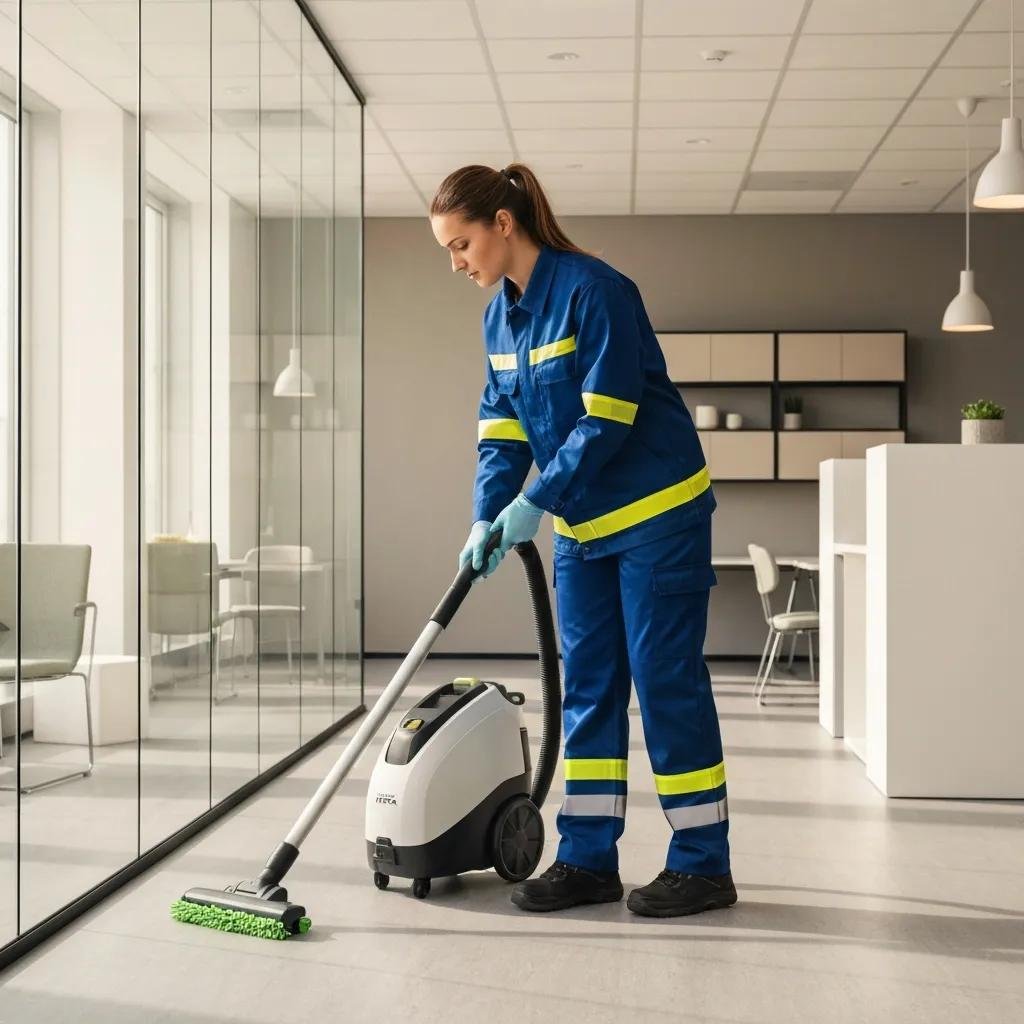
Sustainable janitorial service protects workplaces by pairing prevention‑first protocols with tools that reduce chemical use while maximizing contaminant removal — for example, microfiber systems that grab soil at the surface and HEPA vacuums that remove fine airborne particles. Proper dilution control and targeted touch‑point disinfection cut cross‑contamination and help preserve finishes, reducing premature asset replacement. These practices lower the frequency and intensity of chemical exposure for employees and visitors and deliver predictable, auditable results through checklists and verification. Applied consistently, they create the operational reliability needed to keep indoor environments healthy.
Why Is Green Commercial Cleaning Important for Health and Safety?
Green commercial cleaning boosts health and safety by cutting airborne and surface chemical risks, lowering infection transmission potential, and creating more comfortable indoor environments that support employee performance. Facilities that adopt non‑toxic cleaning often see measurable IAQ improvements and fewer complaints about odors or irritation, which can translate into reduced sick time and higher productivity. Those health gains are especially important in sensitive settings like medical offices, where patient safety and infection control are critical. Below are the key health benefits to weigh when evaluating sustainable cleaning programs.
- Improved indoor air quality: Low‑VOC products and HEPA filtration reduce airborne irritants.
- Reduced chemical exposure: Safer chemistries cut skin and respiratory irritation risks.
- Lower absenteeism: Health‑focused cleaning aligns with fewer illness‑related workdays.
These benefits make a strong case for green janitorial programs and lead naturally into how IAQ improvements are achieved through equipment and product choices.
How Does Eco-Friendly Cleaning Improve Indoor Air Quality?
Eco‑friendly cleaning helps indoor air quality (IAQ) by reducing the release of volatile organic compounds and by removing particulate matter through filtration and surface capture. Low‑VOC, biodegradable formulations emit fewer hazardous gases, while HEPA‑filter vacuums remove fine particulates that aggravate allergies and respiratory conditions. Coordinating ventilation during cleaning and using controlled dilution systems further limits airborne exposures. Facility managers can track these improvements with periodic monitoring to quantify IAQ gains. Together, these measures produce cleaner, healthier air that supports occupant comfort and productivity.
What Are the Employee Well-Being Benefits of Health-Focused Cleaning?
Health‑focused cleaning protects employees by cutting exposure to irritants, reducing allergy and asthma triggers, and creating a workplace that feels safer — which supports morale and retention. When cleaning prioritizes non‑toxic products and visible, consistent touch‑point attention, employees report greater confidence in workplace safety and miss fewer days for minor illnesses. Better well‑being also improves focus and cognitive performance, contributing to overall productivity. Connecting these outcomes to monitored cleaning performance creates accountability and demonstrates tangible value to stakeholders.
Business note: Organizations that want verified protocols often work with local providers who use checklists, transparent product lists, and monitoring frameworks to ensure consistent execution — see the company section below for local delivery details.
What Are the Environmental and Economic Benefits of Sustainable Commercial Cleaning?
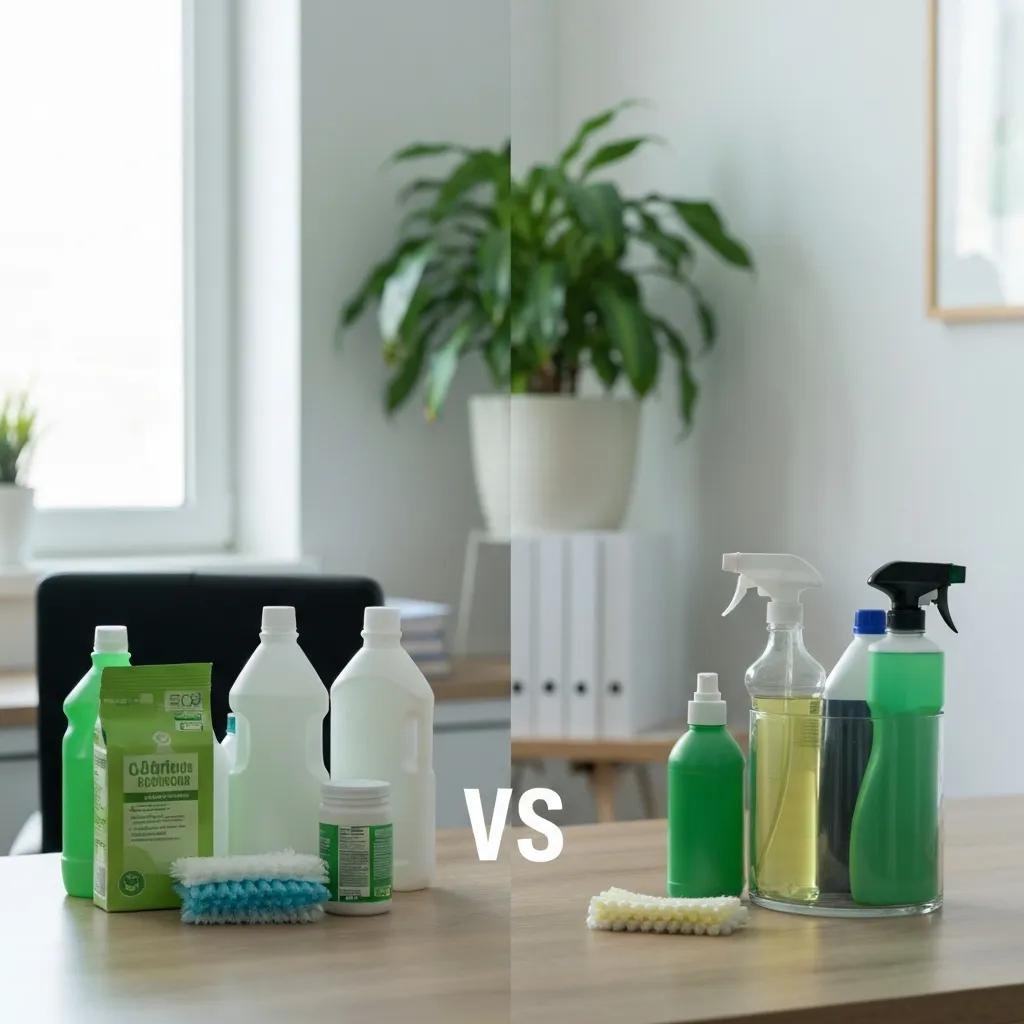
Sustainable commercial cleaning cuts environmental impacts by lowering embodied carbon across product lifecycles, reducing packaging waste through concentrated chemistries, and producing less hazardous waste that needs special disposal. On the financial side, green approaches can lower total cost of ownership by extending asset life (floors, finishes), trimming water and energy use, and reducing indirect costs tied to absenteeism and lost productivity. Those combined environmental and financial wins support corporate sustainability goals while improving facility resilience. The comparison below highlights main cost vectors to help decision‑makers weigh trade‑offs between traditional and green programs.
This comparison shows how modest upfront investments in certified products and efficient systems often repay through less downtime, fewer replacements, and improved staff availability.
How Does Green Cleaning Reduce Your Business’s Carbon Footprint?
Green cleaning shrinks carbon footprint by favoring products with transparent supply chains, choosing concentrated formulations that reduce transport emissions, and adopting practices that lower water and energy use during cleaning cycles. Suppliers that use eco‑friendly packaging and cleaner manufacturing processes further cut lifecycle emissions. Operational changes — like microfiber mops that need less water and automated dilution systems — reduce routine resource use. Together, these choices produce measurable cuts in a facility’s environmental impact and align cleaning programs with corporate sustainability reporting.
Can Eco-Friendly Cleaning Save Money Long-Term for Businesses?
Yes. Eco‑friendly cleaning can save money over time by reducing how often carpets and floors need replacement, lowering productivity losses from absenteeism, and improving efficiencies through better tools and training. Examples include longer flooring life with neutral‑pH cleaners, fewer HVAC issues from reduced particulate buildup, and fewer sick days that translate into labor cost savings. While some certified products cost more per unit, concentrates and less waste frequently offset those differences within a year. Looking at total cost of ownership instead of sticker price reveals the true ROI of sustainable cleaning investments.
How Does The Green Bucket Deliver Reliable and Specialized Eco-Friendly Cleaning in Central Florida?
The Green Bucket is an independently owned, minority‑ and veteran‑owned small business in Hunters Creek, Orlando, serving Central Florida since 2011. We build long‑term relationships with commercial clients by offering professional, health‑focused, eco‑friendly cleaning that leads to consultation requests and ongoing service agreements.
We combine certified green products, standardized “clean for health” protocols, and sector‑specific training to deliver consistent results for offices, medical facilities, and financial institutions. Our local presence enables flexible scheduling, fast response times, and operational transparency that facility managers rely on to meet health and compliance expectations.
- Eco‑friendly solutions: We use green‑certified products and low‑VOC disinfectants to protect indoor air and building occupants.
- Health‑focused approach: Protocol‑driven touch‑point cleaning and monitoring aimed at reducing transmission and chemical exposure.
- Reliability and consistency: Standard checklists, ongoing training, and clear reporting to ensure predictable outcomes.
These value points map directly to our service options and sector fit, summarized below to help procurement teams compare offerings quickly.
To request a consultation or start a service agreement, facility managers can call The Green Bucket to schedule a site assessment, review a customized cleaning plan, and set up a monitoring approach that supports health and operational goals. Typical next steps include an initial walkthrough, a proposal outlining scoped services and frequencies, and a pilot or onboarding period with documented checklists and regular reporting to verify outcomes.
Frequently Asked Questions
What are the key differences between traditional and eco-friendly cleaning services?
Traditional cleaning often depends on stronger chemicals that can harm indoor air and pose health risks. Eco‑friendly services use low‑VOC, biodegradable products and modern techniques like HEPA filtration and microfiber systems to reduce chemical exposure and improve air quality. The shift enhances occupant safety and supports sustainability goals by cutting waste and environmental impact.
How can businesses measure the effectiveness of eco-friendly cleaning?
Measure effectiveness with indoor air quality testing, employee feedback on comfort and health, and tracking absenteeism. Regular IAQ checks reveal changes in VOCs and particulate levels. Operational tools — checklists, audits, and reporting — help ensure protocols are followed and provide documented evidence of program benefits.
What certifications should I look for in eco-friendly cleaning products?
Look for certifications such as EPA Safer Choice and Green Seal. These third‑party marks indicate the products have been reviewed for safety and environmental impact. Certified products typically have lower toxicity and are biodegradable, making procurement decisions easier and more defensible.
Are there specific industries that benefit more from eco-friendly cleaning?
Yes. Healthcare, education, and food service often see the biggest gains. In healthcare, reducing chemical exposure supports patient safety and infection control. Schools benefit from improved IAQ for students and staff. Food service operations can maintain hygiene without introducing unnecessary chemical risks. These sectors commonly experience measurable improvements in health outcomes and operational efficiency.
How does eco-friendly cleaning contribute to employee productivity?
Eco‑friendly cleaning creates a healthier workspace by reducing exposure to harmful chemicals and improving air quality, which lowers allergy and respiratory issues. That translates to fewer sick days, better morale, and improved focus — all of which boost productivity. A clean, well‑maintained environment also supports cognitive performance and confidence in workplace safety.
What are the long-term financial benefits of switching to eco-friendly cleaning?
Long‑term benefits include lower costs from reduced absenteeism, extended facility lifespan, and lower energy use. Upfront product costs can be higher, but total cost of ownership often falls due to fewer replacements and repairs and reduced waste. Better employee health can also increase productivity, improving the return on investment over time.