
How Often Should You Schedule Commercial Cleanings?
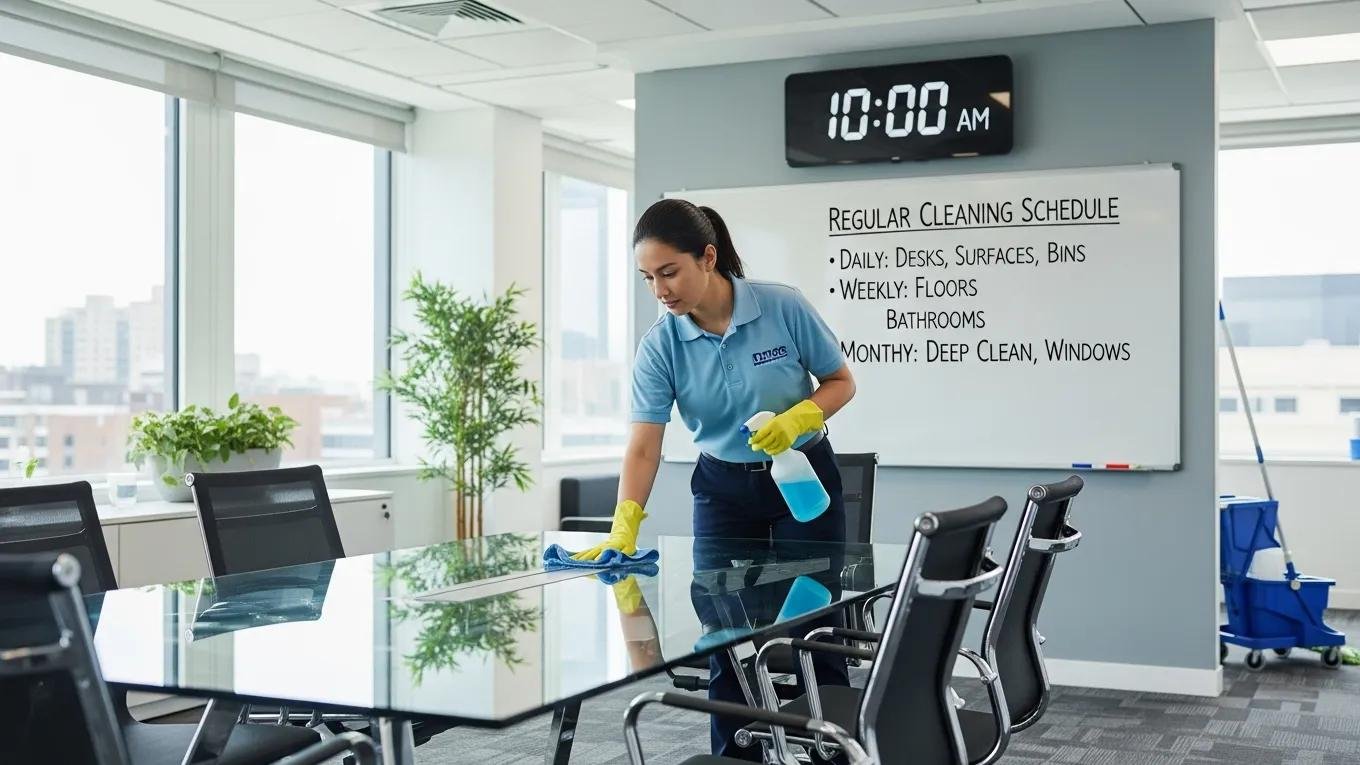
How Often Should You Schedule Commercial Cleanings? Comprehensive Guide to Optimizing Your Commercial Cleaning Schedule
Regular commercial cleaning keeps workplaces healthy and presentable. Frequency affects hygiene, employee performance and client perception; this guide shows how to set a practical cleaning cadence by reviewing key factors and recommended intervals. It also outlines best practices and how The Green Bucket LLC can tailor scheduling to your needs.
Comprehensive Guide on Scheduling Commercial Cleaning Services
A clear cleaning schedule ensures consistent standards across a facility. Routine work preserves appearance and reduces health risks; consider business type, daily footfall and any sector-specific regulations when setting frequency.
Evidence from multiple studies indicates that a clean, well-maintained workplace produces measurable benefits for employee well-being and output.
Workplace Cleanliness: Boosting Employee Health & Productivity
Workplace cleanliness extends beyond aesthetics; it affects employee health, concentration and morale. Research across sectors demonstrates that consistent daily cleaning reduces illness, lowers absenteeism and increases workplace satisfaction. These outcomes are measurable and support sustained team productivity and retention. Daily cleaning routines that reduce illness and improve focus are a practical investment in organisational performance.
Factors Influencing Cleaning Frequency:
Several variables determine frequency; assessing them allows you to tailor a plan to operational demands and compliance obligations.
- Type of Business: Industry requirements differ—healthcare and food service usually need stricter, more frequent cleaning than standard office spaces.
- Foot Traffic: Reception areas, kitchens and high-use zones soil faster and need more frequent attention.
- Health and Safety Regulations: Local or sector rules may set minimum frequencies, especially for clinical or food-related sites.
Together, these inputs shape a safe, compliant and professional cleaning strategy.
Recommended Cleaning Frequencies:
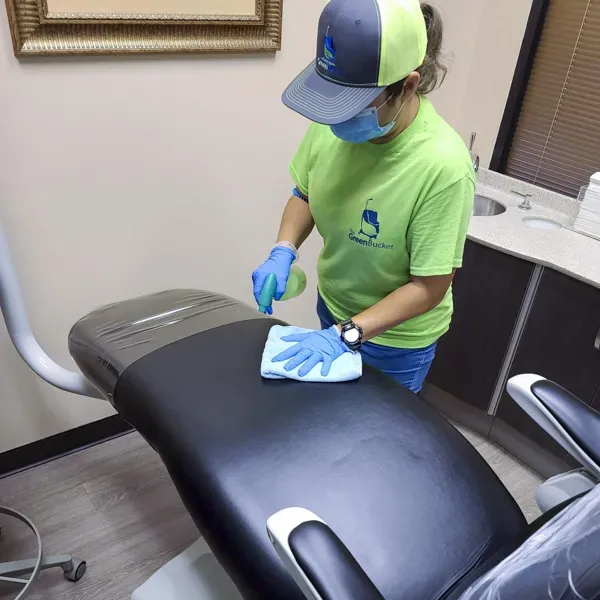
Use these baseline intervals as a starting point and adapt them to your site and usage patterns.
- Daily Cleaning: For high-traffic zones in offices, retail and clinics—keeps contamination low and appearance professional.
- Weekly Cleaning: Shared spaces and meeting rooms—focus on high-touch surfaces and visible areas.
- Monthly Deep Cleaning: Carpets, upholstery and exterior windows—tackle accumulated soil and extend asset life.
Best Practices for Optimizing Cleaning Schedules:

Align services with operations and measure outcomes to keep standards high without waste.
- Customized Cleaning Plans: Base schedules on activities and traffic patterns.
- Regular Reviews: Adjust frequency when usage or regulations change.
- Clear Communication: Keep channels open with your provider to respond to issues quickly.
Impact of Cleaning Schedules on Business Operations:
Cleaning frequency influences health, productivity and customer perception; proper cleaning reduces risks and supports efficient operations.
Efficiency in cleaning delivery is also a determinant of operational smoothness and can influence overall organisational performance.
Workplace Cleanliness & Operational Efficiency
Cleanliness is a core operational criterion. Research examining the efficiency of cleaning in a large corporate organisation highlights the need for a clean work environment to support efficient operations across major urban business centres. The study contextualises how cleaning efficiency impacts organisational performance. Operations efficiency of cleaning in a large corporate organisation, 2018
- Employee Health and Productivity: Regular cleaning lowers transmission of germs and reduces absenteeism.
- Customer Impressions: A tidy facility improves first impressions and client confidence.
- Cost Efficiency: Routine care prevents deterioration and reduces long-term repair costs.
What Factors Determine the Ideal Commercial Cleaning Frequency?
Assess the facility’s function, occupancy and sector standards to set minimum acceptable frequencies. Medical practices typically need daily disinfection; standard offices often function well with weekly maintenance plus periodic deep cleans.
How Do Industry Type and Client Needs Influence Cleaning Schedules?
Industry protocols and client expectations determine scope and cadence—healthcare needs stricter routines, retail prioritises a consistently welcoming environment.
What Role Do Traffic Levels and Health Regulations Play in Scheduling?
High footfall increases cleaning needs; regulatory obligations may require specific actions or minimum frequencies. Build schedules that meet safety standards and maintain continuity.
What Are the Recommended Cleaning Intervals for Different Commercial Spaces?
- Medical Offices: Daily cleaning and disinfection to uphold hygiene standards.
- Traditional Offices: Weekly maintenance, with monthly deep cleaning for carpets and windows.
- Retail Spaces: Daily cleaning for high-traffic zones and weekly care for lower-use areas.
How Often Should Offices and Janitorial Services Be Scheduled?
Base janitorial frequency on usage: daily for high-use areas, weekly for communal/support spaces, and monthly deep cleans to address embedded dirt.
What Are the Cleaning Frequency Standards for Medical Offices?
Medical settings require daily cleaning and surface disinfection, safe handling of clinical waste and approved disinfectants where specified to meet regulations and protect patients and staff.
How Do Routine Cleaning and Deep Cleaning Schedules Differ?
Routine cleaning maintains daily hygiene and appearance; deep cleaning addresses accumulated soil and less-accessible areas using more intensive methods. Both are necessary and should be scheduled to minimise disruption.
When Should Deep Cleaning Be Performed Compared to Routine Cleaning?
Deep cleaning is commonly monthly or quarterly depending on use; routine cleaning happens more frequently. Schedule deep cleans to complement daily and weekly tasks.
What Are the Benefits of Combining Both Cleaning Types in Your Schedule?
- Consistent Cleanliness: Daily maintenance plus periodic deep cleans keeps assets in good condition.
- Health and Safety: Combined approaches reduce infection risks.
- Cost Efficiency: Regular care lowers the chance of costly repairs or replacements.
How Can You Budget and Plan for Effective Commercial Cleaning Frequency?
Budget for labour, frequency and product choices based on facility size and type. A professional provider can help optimise schedules and improve cost predictability.
What Cost Considerations Affect Cleaning Schedule Decisions?
Key drivers are labour, service frequency and product selection (including eco-friendly options). Investing in quality cleaning often yields long-term savings by preserving assets.
How Does The Green Bucket LLC Support Flexible and Customized Scheduling?
The Green Bucket LLC offers tailored cleaning schedules to suit operational needs, including off-peak work and bespoke plans to minimise disruption.
Partnering with The Green Bucket LLC helps businesses maintain a healthy facility with scheduling aligned to operations. Consider adding deep cleaning services or janitorial services for broader maintenance. Specialist office cleaning and medical office cleaning support specific operational and regulatory needs.
Frequently Asked Questions
What are the key benefits of maintaining a regular commercial cleaning schedule?
Regular cleaning improves employee health, productivity and client impressions, reduces germ transmission and can prevent damage that leads to higher costs.
How can businesses assess their specific cleaning needs?
Review business type, foot traffic and health regulations, conduct a site audit and gather staff and client feedback to set task lists and frequencies that address actual risks.
What types of cleaning products are recommended for commercial spaces?
Use eco-friendly, non-toxic products that meet disinfection standards and are appropriate for each surface; ensure compliance with local health rules.
How can businesses ensure compliance with health regulations through cleaning?
Document protocols that match standards, keep checklists and records for audits, and work with a professional provider experienced in regulatory obligations.
What should be included in a customized cleaning plan?
Specify task frequency, target areas, approved products and special procedures; include periodic deep cleans and a review mechanism, with clear provider communication.
How can technology improve commercial cleaning schedules?
Scheduling and compliance software, smart sensors and occupancy data provide real-time insights to adjust cleaning responsively and improve efficiency.
What are the signs that a cleaning schedule needs to be adjusted?
Look for increased cleanliness complaints, visible dirt in high-use areas, rising staff sick days, client concerns or inspection findings, and review schedules accordingly.