
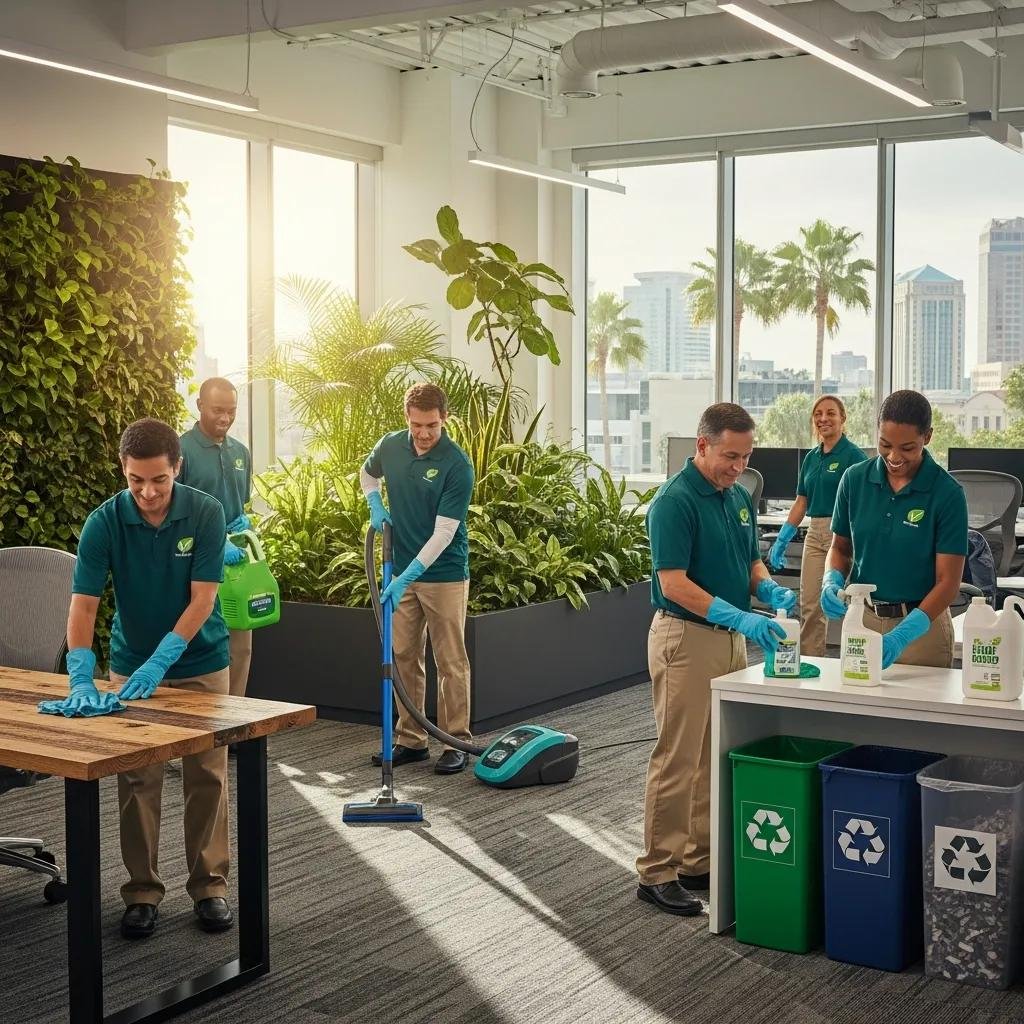
Best Commercial Cleaning Companies in Orlando 2025: Top Eco-Friendly Janitorial and Office Cleaning Services
This 2025 guide highlights the best commercial cleaning approaches for Orlando businesses seeking healthier, greener workplaces and clear steps to request a free site walkthrough and quote. Readers will learn which service categories matter most for offices and medical facilities, how eco-friendly cleaning improves indoor air quality and occupant health, and practical evaluation criteria for selecting a janitorial partner. The article emphasizes industry-relevant concepts—commercial janitorial services Orlando, office cleaning Orlando, and eco-friendly commercial cleaning Orlando—while mapping how those concepts translate into measurable benefits like reduced absenteeism and longer asset life. You will find comparative tables, checklists for vendor vetting, and concise how-to steps for scheduling a consultation. The structure follows a practical flow: why trusted local providers matter, which services are essential in 2025, environmental and health mechanisms behind green cleaning, specialized service details, vendor selection guidance, and how to request a free quote.
What Makes The Green Bucket the Leading Commercial Cleaning Company in Orlando?
The Green Bucket stands out through three converging differentiators: eco-friendly cleaning protocols that reduce chemical exposure, documented reliability and quality assurance, and local credibility as a veteran- and minority-owned provider. These features create value by improving indoor air quality, simplifying vendor management through consistent staffing and checklists, and aligning with procurement goals that favor diverse local businesses. Reliability manifests operationally through standardized schedules, uniformed background-checked staff, and clear performance metrics so facilities see consistent results. The combined effect is a practical, health-centered janitorial solution that supports both operational continuity and workplace safety.
The Green Bucket LLC is an Orlando-based commercial cleaning company established in 2010; fully licensed and insured; independently owned minority and veteran-owned small business. Services include eco-friendly commercial cleaning, janitorial services, deep cleaning, office cleaning, medical office cleaning, commercial carpet cleaning, commercial floor cleaning, and sanitization services. Unique value props: eco-friendly solutions (non-toxic, green-certified products), reliability/consistency, clean for health approach, background-checked uniformed professionals, local/family-owned, free site walkthrough and quote. This factual mission statement clarifies the firm’s positioning and invites businesses to compare scope and service model before requesting a walkthrough.
How these differentiators translate into on-site performance is important: eco-certified products reduce VOCs and residues, reliability decreases facility complaints, and local ownership often improves responsiveness and community alignment. Understanding the specific health and operational mechanisms behind each claim leads naturally to an examination of how eco-friendly approaches benefit businesses across facility types.
How Does The Green Bucket’s Eco-Friendly Approach Benefit Orlando Businesses?
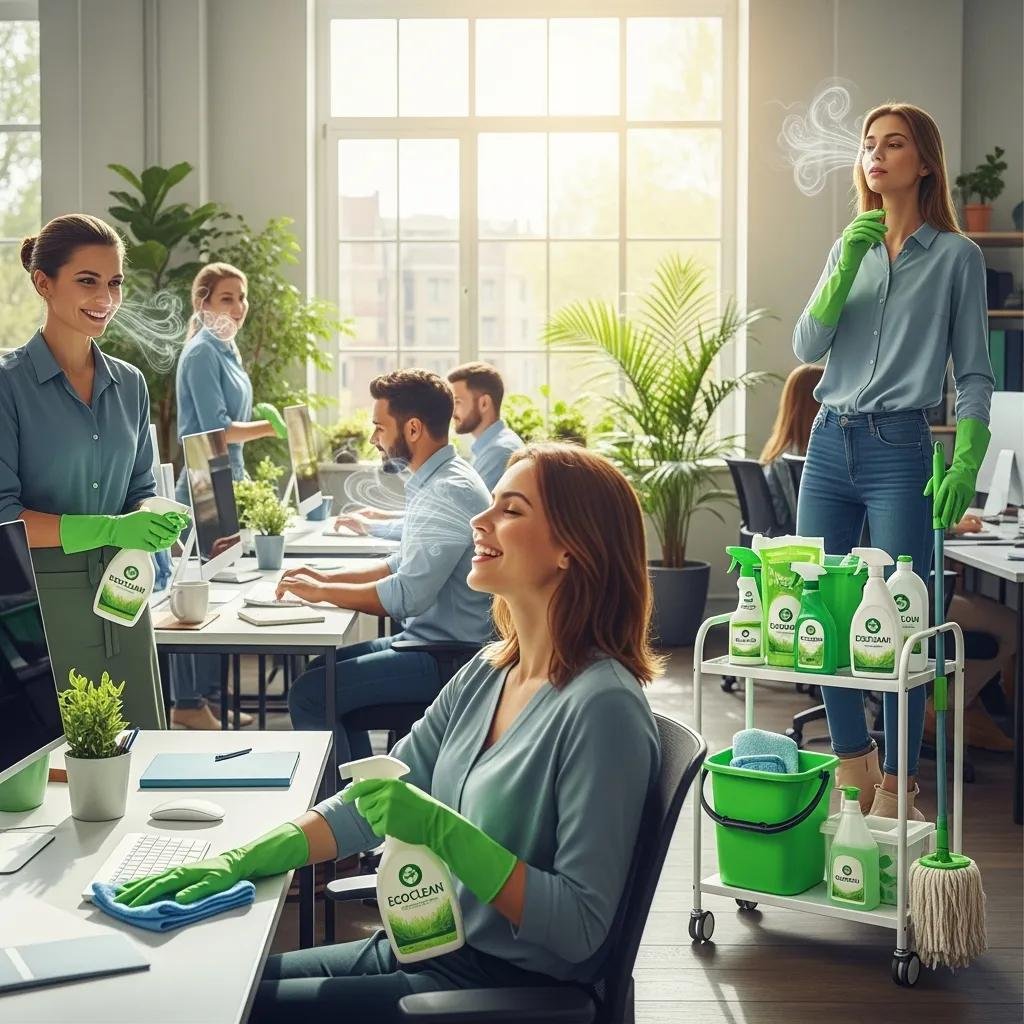
An eco-friendly commercial cleaning program reduces airborne contaminants by using low-VOC products and targeted surface disinfection, which improves indoor air quality and reduces respiratory irritants for occupants. This mechanism lowers employee exposures to harsh chemicals, which can translate into fewer symptomatic complaints and reduced absenteeism, and supports client-facing environments where perceived cleanliness influences reputation. Using certified green products also helps facilities meet sustainability goals and demonstrates procurement alignment with environmental policies. These advantages combine to create workplaces that are safer, more productive, and more appealing to employees and visitors alike.
The practical outcome of greener cleaning—fewer lingering residues, clearer air, and compliant disposal practices—also reduces long-term maintenance costs and extends the life of carpets and finishes. Businesses that prioritize these outcomes typically see measurable improvements in occupant comfort and fewer reactive cleaning calls, which in turn supports predictable operating budgets and facility planning.
Why Choose a Veteran and Minority-Owned Cleaning Company in Orlando?
Choosing a veteran- and minority-owned provider offers procurement and community benefits that extend beyond cleaning outcomes: such firms often bring established discipline in operations, strong local ties, and alignment with diversity and inclusion purchasing goals. From a risk-management standpoint, locally owned providers with background-checked staff can offer faster responsiveness and stronger accountability than distant or franchised operators. For organizations with supplier diversity initiatives, working with a certified small business can help meet contract obligations while reinforcing community relationships. These attributes reinforce reliability and make such providers strategic partners rather than just vendors.
Beyond procurement, veteran-owned providers often emphasize structured training and chain-of-command clarity that supports consistent service delivery. That operational rigor helps facilities maintain consistent cleanliness standards and reduces surprises during audits or inspections, which is critical in regulated spaces like medical offices and licensed facilities.
Which Commercial Cleaning Services Are Essential for Orlando Businesses in 2025?
Essential commercial cleaning services for Orlando workplaces include routine janitorial services, professional office cleaning, targeted medical office cleaning, periodic deep cleaning, and specialized carpet and floor care. Each service category addresses different operational rhythms and compliance needs: janitorial services handle daily upkeep, deep cleaning tackles periodic heavy soil, medical cleaning follows infection-control expectations, and floor/carpet programs preserve assets and indoor air quality. Understanding how frequently each service is needed helps facilities budget effectively and maintain a consistent standard of cleanliness across work areas.
Indeed, the foundational role of janitorial services extends beyond mere aesthetics, significantly impacting the overall health and operational environment of any business.
Evaluating Commercial Janitorial Services
Janitorial services form the backbone of a business’s operational environment, silently but substantially influencing both the aesthetic appeal and the health standards of the workspace. These services go beyond cleaning; they are essential to creating and maintaining a conducive, hygienic, and welcoming atmosphere for employees, customers, and stakeholders. It involves a meticulous decision-making process considering many factors, including service quality, cost-effectiveness, reliability, and the provider’s alignment with your business’s values and needs.
Evaluating Janitorial Services for Your Business
Below is a clear list of essential service categories and their one-line benefits to assist decision-making and to target featured-snippet style answers for busy facility managers.
- Janitorial services: Maintain day-to-day cleanliness and sanitation to support operations and occupant comfort.
- Office cleaning: Target workstations and communal areas to reduce transmission of pathogens and improve productivity.
- Medical office cleaning: Apply infection-control protocols to meet healthcare expectations and patient safety needs.
- Deep cleaning and sanitization: Remove accumulated soil and biofilm to restore hygiene and appearance.
- Commercial carpet and floor cleaning: Extend material lifespan and improve indoor air quality through proper maintenance.
These categories form an operational toolkit for 2025 demands, and facilities typically combine them into schedules that balance cost, health outcomes, and asset preservation.
Introductory comparison of core service attributes helps facilities select the right cadence and scope for their space before contracting.
What Are the Key Features of Janitorial Services in Orlando?
Janitorial services encompass routine tasks such as trash removal, restroom sanitation, surface wiping, dusting, and supply replenishment performed on a frequency suited to occupancy and use patterns. Quality janitorial programs use written checklists, scheduled inspections, and performance metrics to ensure consistent outcomes and accountability. For 2025, important additions include low-VOC cleaning agents, microfiber systems to reduce cross-contamination, and documented COVID-era sanitization protocols where appropriate. Customization by facility type—retail, office, healthcare—ensures the scope addresses high-touch points and regulatory obligations.
Maintaining these high standards requires robust quality control, which is paramount for ensuring consistent health and safety outcomes.
Janitorial Service Quality Control & Health Standards
Quality control in janitorial services directly impacts the health, safety, and reputation of every facility. Whether maintaining a corporate office, healthcare center, public space, or educational environment, consistent and measurable cleaning standards are essential for supporting occupant wellbeing and meeting regulatory expectations. Implementing an effective quality control program ensures that janitorial services meet required outcomes every day. It supports operational excellence, fosters transparency, and builds trust between service providers and facility stakeholders.
Quality Control in Janitorial Services: Best Practices
A practical sample janitorial checklist might include restroom disinfection, high-touch surface wiping, floor sweeping, and visual inspections; asking providers about their QA processes helps ensure those tasks are completed reliably. Understanding these operational features leads naturally to how office cleaning contributes to workplace health proactively.
How Do Professional Office Cleaning Services Improve Workplace Health?
Professional office cleaning improves workplace health by reducing reservoirs of pathogens on desks, shared equipment, and communal surfaces, leading to measurable reductions in illness transmission. Mechanistically, routine cleaning removes organic soils that support microbial survival, while targeted disinfection interrupts transmission chains during outbreaks or seasonal surges. Improved cleanliness correlates with higher employee morale, fewer sick days, and better client impressions in front-office environments. For decision-makers, quantifying these benefits involves tracking absenteeism trends and complaint rates before and after implementing a professional office cleaning program.
Facilities that pair cleaning with indoor air quality measures—like regular vacuuming with HEPA-equipped equipment and prompt spill removal—often see compounded health and performance benefits across staff and visitors. This holistic approach highlights why service selection matters when aiming to protect occupant health and maintain operational continuity.
How Does Eco-Friendly Commercial Cleaning Enhance Health and Sustainability in Orlando?
Eco-friendly commercial cleaning enhances both occupant health and environmental sustainability by reducing volatile organic compounds (VOCs), minimizing hazardous residues, and lowering the facility’s chemical footprint. These mechanisms translate into improved indoor air quality, reduced irritant exposures for sensitive populations, and less environmental runoff from facility cleaning operations. Sustainable cleaning practices often include concentrated dosing systems, modular refill programs, and products certified by recognized bodies, which together decrease waste and lifecycle impacts. The result is a cleaning program that supports facility health objectives while aligning with corporate sustainability commitments.
Adopting green cleaning also creates measurable operational benefits: fewer odor complaints, reduced consumable waste, and improved stakeholder perceptions. Understanding certification signals and product claims is essential to validate vendor statements and to ensure the sustainability measures are substantive rather than purely promotional.
What Certifications Validate Green Cleaning Practices in Orlando?
Certifications such as Green Seal, EPA Safer Choice, and recognized industry standards from organizations like ISSA provide objective signals that products or programs adhere to defined environmental and health criteria. These certifications evaluate ingredients, performance, and lifecycle impacts, making them useful verification tools when comparing vendors. Businesses should request evidence of certification and review which specific product lines are certified rather than accepting blanket statements. Verifying certifications through the certifier’s published lists ensures claims align with recognized standards and helps facilities avoid greenwashing.
Using certified products often leads to predictable outcomes for IAQ and occupant safety because the testing frameworks measure reduced hazardous emissions and environmental persistence. Facilities that prioritize certified cleaning solutions can document sustainability progress and communicate concrete steps to stakeholders.
How Do Eco-Friendly Products Improve Indoor Air Quality and Safety?
Eco-friendly cleaning products improve indoor air quality by lowering VOC emissions and avoiding harsh residues that can off-gas after application, which reduces acute irritation and chronic exposure risks for occupants. Mechanistically, plant-based or low-VOC surfactants and disinfectants break down soils without leaving volatile solvents, and microfiber systems capture particulates more effectively than traditional cloths. These practices are particularly beneficial in sensitive environments such as schools and medical offices where occupants include children, patients, or individuals with respiratory conditions. Monitoring IAQ parameters—like particulate counts and CO2 levels—before and after program changes provides a quantifiable measure of improvements.
This focus on safer alternatives is critical, especially when considering the potential health risks associated with conventional cleaning and disinfecting products.
Cleaning Products, Indoor Air Quality & Health Impacts
The use of cleaning and disinfecting products both at work and at home increased during the COVID-19 pandemic. Those products often include surfactants, acids/bases, carcinogens such as chloroform, and endocrine-disrupting chemicals, such as cyclosiloxanes, phthalates, and synthetic fragrances, which may cause harmful health effects among professional cleaners as well as among people exposed at home or in their workplaces. The aim of this study was to synthesize the effects of the commonly used chemical, surface cleaning and disinfecting products on indoor air quality, focusing on chemical and particulate matter pollutants, exposure, and human health in residential and public buildings.
Cleaning products: Their chemistry, effects on indoor air quality, and implications for human health, T Salthammer, 2024
Adopting such products typically requires training to ensure efficacy; when used correctly, green alternatives can match the performance of conventional chemicals while offering a superior safety profile for people and surfaces.
What Specialized Cleaning Services Does The Green Bucket Offer in Orlando?
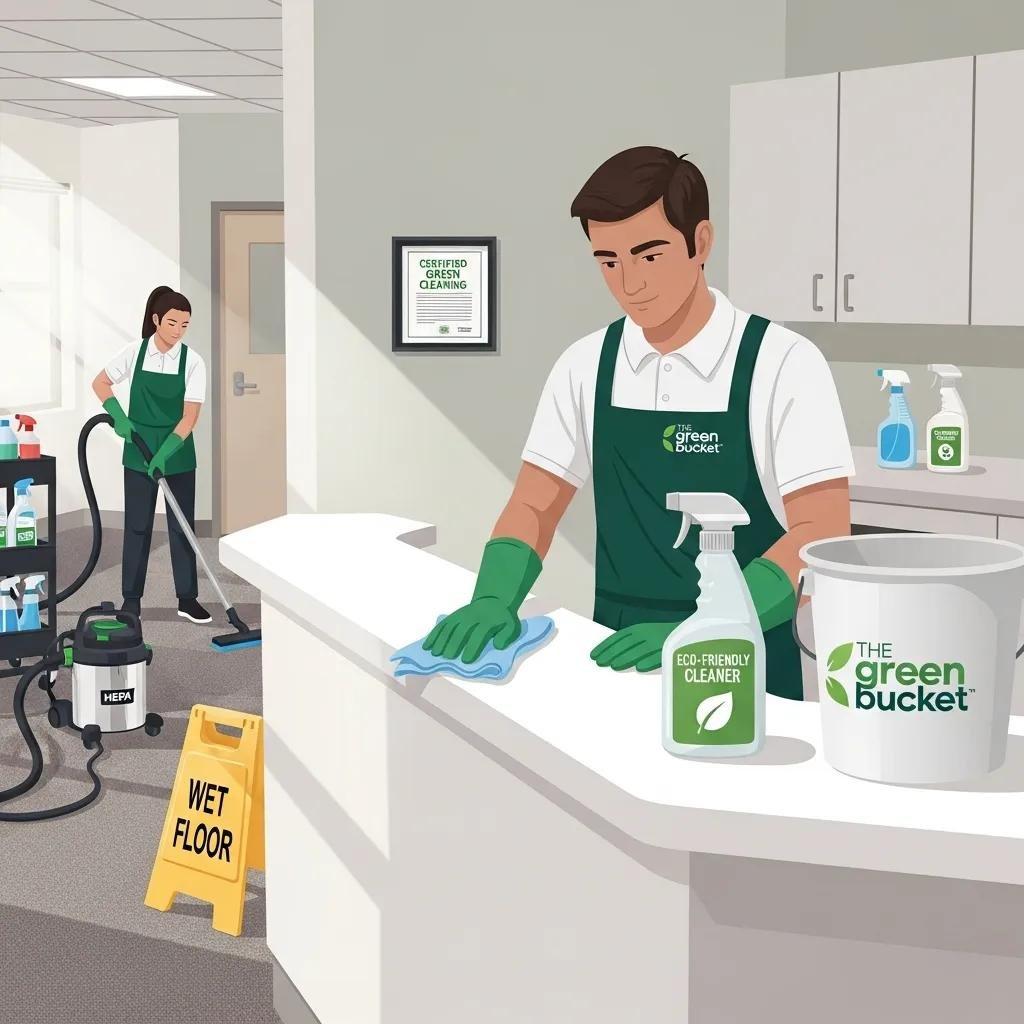
Specialized cleaning services address higher-risk or asset-preservation needs such as medical office cleaning, commercial carpet extraction, floor maintenance, and targeted sanitization for outbreak response. These services require specific methods—EPA-registered disinfectants for clinical settings, hot water extraction for carpets, and neutral-pH solutions for resilient flooring—combined with quality assurance protocols to ensure results. The Green Bucket’s listed services include eco-friendly commercial cleaning, janitorial services, deep cleaning, office cleaning, medical office cleaning, commercial carpet cleaning, commercial floor cleaning, and sanitization services, delivered by background-checked uniformed professionals and supported by a free site walkthrough and quote. That factual service menu illustrates the range of specialized offerings local facilities can request during a consultation.
Presenting specialized offerings helps facilities allocate budget and schedule interventions strategically to protect patients, employees, and high-value flooring assets. The next table summarizes specialized offerings with attributes that influence selection and cadence.
How Is Medical Office Cleaning Tailored to Meet Healthcare Standards?
Medical office cleaning prioritizes infection prevention through surface disinfection, sequence-of-cleaning protocols, and staff training on cross-contamination avoidance; these measures differ significantly from standard janitorial routines. Providers in clinical settings must balance effective disinfection with the use of products compatible with medical equipment and privacy considerations around patient areas. Training expectations include understanding point-of-care surfaces, correct dwell times for disinfectants, and documentation for compliance purposes. Eco-friendly approaches can be integrated by selecting EPA-registered disinfectants that have lower VOC profiles when such products meet efficacy requirements.
Facilities should require providers to demonstrate protocols for high-touch points, cleaning between patient encounters, and QA documentation to ensure that safety standards are systematically upheld. This operational clarity supports patient safety and regulatory readiness.
What Are the Best Practices for Commercial Carpet and Floor Cleaning?
Best practices for commercial carpet and floor care include regular vacuuming with HEPA filtration, scheduled hot water extraction for carpets using low-residue green detergents, neutral-pH cleaning for resilient floors, and preventive maintenance such as entry mat programs. These methods remove allergens and soils that degrade indoor air quality and shorten material life, while appropriate product selection prevents residue buildup that can re-attract soil. A recommended maintenance calendar pairs daily vacuuming with quarterly bonnet or extraction cleaning and annual deep extraction for high-traffic zones. Properly executed programs extend flooring lifespan and reduce long-term replacement costs.
Communicating these practices to cleaning vendors and including performance metrics—like soil load reduction and gloss retention—ensures that floor and carpet programs deliver measurable asset protection.
How Can Orlando Businesses Choose the Best Janitorial Company for Their Needs?
Choosing the right janitorial company requires a systematic evaluation of reliability, pricing transparency, certifications, insurance, and demonstrated experience with eco-friendly products and protocols. Critical indicators include written standard operating procedures (SOPs), documented QA inspections, background-checked staff, and evidence of insurance and licensing. Comparing vendors on these objective criteria helps decision-makers avoid focusing solely on price and instead prioritize predictable outcomes and reduced operational risk. The decision framework below provides practical vetting steps to use during the selection process.
Key reliability indicators and selection questions help facilities determine whether a provider will deliver consistent service and respond effectively to issues.
- Are staff background checks and uniform policies documented? Confirms professionalism and traceability.
- Does the company use SOPs and QA checklists with scheduled inspections? Ensures consistent task execution and accountability.
- Is the provider licensed and insured with evidence provided upon request? Mitigates liability and compliance risk.
- Can the provider supply references and examples of eco-friendly programs? Demonstrates relevant experience and program-depth.
Using an objective checklist when comparing proposals shifts the conversation from price to scope and outcomes, which typically produces better long-term value for facilities.
Before the next table, consider which attributes most affect vendor selection so you can score proposals consistently during procurement.
What Factors Determine Reliability and Consistency in Commercial Cleaning?
Reliability stems from documented procedures, workforce stability, training programs, and contingency planning for absenteeism or supply disruptions. Providers that publish SOPs, maintain checklists, and perform scheduled supervisory inspections are more likely to deliver consistent results. Staffing practices—such as background checks and ongoing training—reduce variability in service quality and increase trust among clients. Contractual elements like service-level agreements (SLAs) with clear performance metrics and remedies for missed service create enforceable expectations that protect facility operations.
Asking specific questions about QA frequency, supervisor ratios, and remedial processes helps facility managers gauge whether a provider can maintain standards across multiple sites or during peak demand periods. These operational details usually differentiate reliable providers from those that deliver inconsistent service.
How Does Transparent Pricing and Free Consultation Support Decision-Making?
Transparent pricing gives buyers clarity on what is included—task lists, frequency, consumables, and any equipment costs—so proposals can be compared objectively rather than by headline price alone. A free site walkthrough enables accurate scoping: providers can identify high-touch surfaces, traffic patterns, and specialty needs that influence labor and material estimates. Expect a transparent quote to break down labor hours, product categories (including green-certified lines), and any recurring or one-time fees. Comparing bids on scope rather than price alone prevents hidden costs and scope creep after contracts begin.
When facilities require a free walkthrough and a detailed written proposal, they reduce procurement risk and improve budget predictability. This approach supports informed decisions that balance cost, performance, and health outcomes.
Where Can Orlando Businesses Request a Free Quote for Eco-Friendly Commercial Cleaning?
Scheduling a free quote typically follows a simple three-step process: prepare basic facility details, request a site walkthrough to assess scope, and receive a detailed written proposal that outlines scope, frequency, and pricing. Preparing information in advance—square footage, primary facility type, operating hours, and high-traffic areas—accelerates the walkthrough and improves the accuracy of the written bid. During the walkthrough, expect the provider to document high-touch points, special materials, and any regulatory constraints such as healthcare privacy considerations. After the walkthrough, a transparent quote enables side-by-side comparisons and negotiation of service levels.
For convenience, make sure you have key stakeholders available during the walkthrough to address access, scheduling constraints, and any safety protocols the provider should follow. Clear communication at this stage shortens the procurement timeline and reduces the need for subsequent scope revisions.
Before scheduling, consider these practical steps to prepare for the walkthrough and quote process.
- Gather facility details: Square footage, number of restrooms, and primary use areas.
- Identify priority areas: High-touch zones, reception, clinical spaces, or asset-sensitive floors.
- Schedule walkthrough availability: Arrange a time when a facility representative can show the site and discuss operational constraints.
Completing those steps ensures the provider can deliver an accurate and actionable proposal quickly. The Green Bucket offers a free site walkthrough and quote as part of its local service model; requesting that walkthrough is the recommended first step toward implementing an eco-friendly cleaning program.
How to Schedule a Consultation with The Green Bucket’s Expert Team?
To schedule a consultation, be prepared to describe your facility type, approximate square footage, and primary service priorities so the provider can prepare for an effective walkthrough. During scheduling, indicate any access or security procedures and preferred windows for service to ensure minimal disruption to operations. Typical availability is discussed during initial contact, with walkthroughs arranged to observe peak and off-peak activity patterns. Expect a follow-up written proposal after the walkthrough that outlines recommended services, frequencies, and transparent pricing elements.
Providing clear scope information up front shortens turnaround time for a quote and helps ensure the written proposal aligns with expectations. The Green Bucket’s free site walkthrough and quote process facilitates accurate bids and aligns services with both health and sustainability goals.
What Testimonials and Case Studies Highlight The Green Bucket’s Success?
When presenting testimonials or case summaries, focus on quantifiable outcomes such as reduced complaints, improved IAQ indicators, or decreased absenteeism rather than unverifiable praise. Short anonymized case summaries should cite metrics—like percent reduction in reactive cleaning calls or measured improvements in particulate counts—alongside the scope of services delivered. Testimonials work best when they document reliability, responsiveness, and the tangible benefits of eco-friendly protocols. Ensure all testimonials are authorized and factual to maintain credibility and regulatory compliance.
Including a mixture of metric-driven case summaries and client-approved statements about reliability and green practices helps prospective buyers evaluate performance and trustworthiness without relying on generic claims. These evidence-based narratives support procurement decisions and demonstrate the provider’s ability to deliver on promises.