
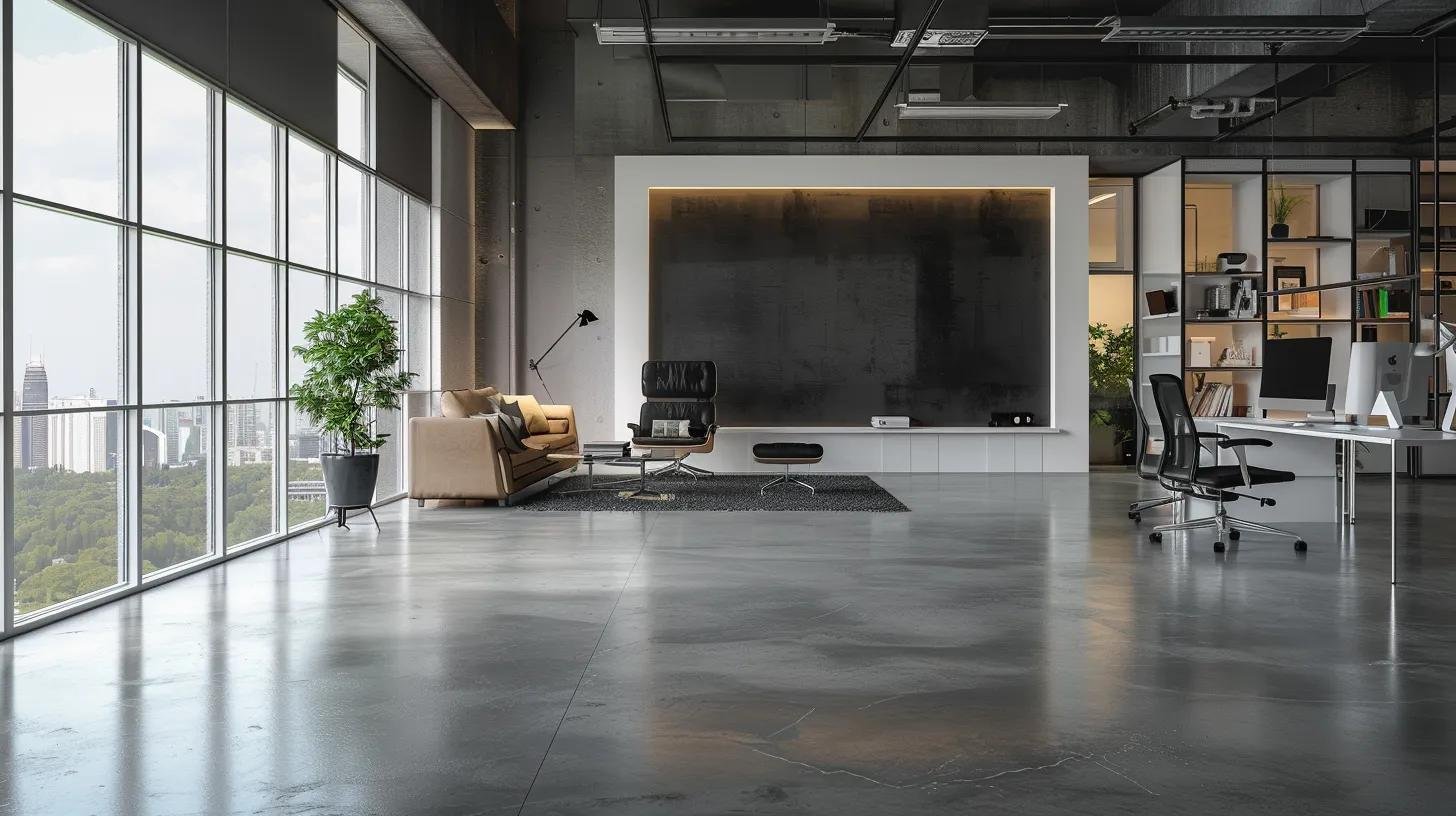
Find the Right Cleaning Schedule for Your Facility
A commercial cleaning schedule is a clear plan that spells out what gets cleaned, how often, and who’s responsible. The right schedule lowers illness, protects assets, and keeps daily operations running smoothly. This guide helps facility and office managers match cleaning frequency to building size, regulations, foot traffic, and budget using practical checklists and comparison tables. Too many businesses either pay for services they don’t need or risk health and safety by under-cleaning. A smart, tailored schedule balances cost, compliance, and workplace wellbeing. Below we break down the factors that drive scheduling, define daily/weekly/monthly and seasonal programs, map recommended frequencies by industry, and show how to evaluate providers and green cleaning options. You’ll also find practical lists and EAV tables, a real-world example, and instructions for requesting a consultation. By the end you’ll be able to choose—or design—a commercial cleaning schedule that supports health-focused, eco-friendly facility management.
Which Factors Should Shape Your Commercial Cleaning Schedule?
Your cleaning schedule should respond to five main factors: business size, foot traffic, industry rules, operating hours, and budget. Each affects how often tasks must be done, staffing needs, and recordkeeping. When you match those factors to task lists, high-touch zones get the attention they need and low-use areas receive appropriate periodic care—helping indoor air quality and reducing infection risk. The table below shows how common variables affect frequency and offers practical scheduling adjustments you can use right away.
Use the table below to weigh operational variables against schedule choices.
How Do Size and Layout Change Cleaning Needs?
Size and layout determine staff-hours and which zones need regular attention—critical for accurate costing and staffing. A small private office usually needs daily high-touch wiping, trash removal, and weekly floor care. A large open-plan office with multiple breakrooms will need staggered shifts and more frequent restroom checks. Rule of thumb: plan restroom sanitation at least twice daily for every 50 full-time occupants, increasing to multiple checks during peak times. Evaluate shared spaces, reception areas, and conference rooms separately—complex layouts create more touchpoints and call for targeted protocols.
Which Industry Regulations Affect Your Schedule?
Regulations set minimum frequencies and documentation standards in many sectors. Healthcare typically requires documented disinfection and more frequent cleaning of clinical areas to control infection risk. Financial institutions prioritize discreet cleaning and secure handling of sensitive spots. Local health guidance and industry standards should inform your service agreement and audit cadence. When rules are unclear, consult compliance officers to turn regulatory language into specific frequencies and evidence-collection practices.
Industry-Specific Commercial Cleaning Protocols and Business Models
A concise review of industry-specific applications and their linked safety requirements. This business and technical overview supplies the research and practical groundwork to support service sales, equipment selection, and correct application across 24 commercial-industrial sectors.
Commercial-industrial cleaning, by pressure-washing, hydro-blasting and UHP-jetting: The business operating model and how-to manual for 450 specific …, 2012
What Types of Commercial Cleaning Schedules Should You Consider?
Most commercial cleaning schedules fall into daily, weekly, monthly/quarterly, and seasonal categories. Each addresses different operational and hygiene goals and, together, they form a complete maintenance plan. Daily work targets high-touch surfaces and restrooms to reduce immediate risk. Weekly routines handle floors and detailed dusting. Monthly or quarterly services take care of deep cleaning—carpet extraction, HVAC vents, and the like—to preserve assets. Seasonal adjustments prepare for pollen, holidays, and weather-related needs. Use the checklist below to pair common tasks with the right frequency, then refine based on monitoring and incident reports.
These daily, weekly, and monthly checklists help set clear expectations for staff and vendors:
- Daily Tasks: Empty trash, disinfect high-touch surfaces, sanitize restrooms, spot-clean floors.
- Weekly Tasks: Vacuum and mop full floors, detailed dusting, clean interior glass and windows, restock dispensers.
- Monthly/Quarterly Tasks: Deep carpet cleaning, clean HVAC vents, polish hard surfaces, perform comprehensive inspections.
Which Tasks Fit Daily, Weekly, and Monthly Schedules?
Daily tasks focus on hygiene and appearance—restrooms, high-touch surfaces, and trash removal—to immediately reduce pathogen load and keep the space usable. Weekly tasks broaden the scope to floor maintenance, dust control, and glass-cleaning, which protect finishes and improve indoor air. Monthly and quarterly work covers specialized services—carpet extraction, vent cleaning, and high-level dusting—that remove deep-set contaminants and maintain system performance. Prioritize by health impact: restrooms and breakrooms first, then communal work areas, then storage and low-use rooms.
How Should You Build Seasonal Adjustments into the Plan?
Seasonal planning prepares for predictable spikes—pollen in spring, holiday crowds, winter salt and grit—so temporarily increasing frequency and scheduling pre/post-season deep cleans is smart. Schedule a spring deep-clean for HVAC systems and carpets to reduce allergens, and add extra entrance cleaning during busy retail periods to protect floors and curb appeal. Include a seasonal checklist and a contract clause that allows temporary service escalations for events or weather-related needs. Review results each year and adjust the next season’s plan based on measurable outcomes.
How Do You Tailor a Schedule to Specific Industries?
Industry-focused schedules align critical tasks with operational priorities and regulatory demands. Custom frequencies improve compliance, customer experience, and cost-efficiency. Offices benefit from daily workstation touch-ups and quarterly deep-cleaning to support productivity. Healthcare facilities need daily documented disinfection of clinical zones plus audits. Retail focuses on customer-facing areas with peak-hour adjustments. Financial institutions favor discreet, after-hours deep cleans for privacy-sensitive spaces. The table below maps industries to priority tasks and recommended frequencies for quick reference.
Use this matrix to build service agreements that reflect daily realities and regulatory needs.
Many providers now layer health-focused and eco-friendly protocols into industry schedules to limit chemical exposure and support sustainability—for example, using certified green products in lobbies and documented disinfection in clinical zones. At The Green Bucket, we customize schedules by prioritizing disinfection where regulations require it, increasing daytime high-touch attention for retail, and arranging discreet after-hours deep cleans for financial firms while offering eco-friendly product options.
Best Practices for Office and Healthcare Cleaning Schedules
For offices, balance daytime activity with minimal disruption: schedule daily high-touch cleaning and plan quarterly deep-cleans during low-occupancy windows to protect productivity and indoor air. Healthcare settings need strict daily disinfection, clear documentation, and frequent audits to meet patient-safety standards—use HEPA filtration and targeted vent cleaning to support air quality. Both environments benefit from checklists and monitoring that verify task completion and let you adjust frequencies based on absenteeism or incident reports. Clear reporting drives continuous improvement and keeps you audit-ready.
How Retail and Financial Institutions Customize Their Plans
Retail schedules must be flexible—ramping up during promotions and holidays with extra entrance and POS attention to protect customer experience. Financial institutions prioritize discretion and security: after-hours deep-cleans and strict staff access controls are standard. Both sectors should include flexible contract clauses for events or unexpected foot-traffic spikes. Regular vendor review meetings help fine-tune timing and scope based on sales cycles and client feedback.
Why Work with The Green Bucket for a Tailored, Eco-Friendly Schedule?
We provide commercial cleaning with a health-first, eco-conscious approach—building schedules around your facility’s needs while reducing chemical exposure and keeping clear documentation. Our process starts with an on-site assessment to measure size, traffic patterns, and regulatory demands, then delivers a tailored schedule with green product options and measurable outcomes. Partnering with a provider that practices sustainable cleaning supports employee wellness and your corporate responsibility goals without compromising professional standards. To get started, request a consultation and review a proposed service agreement that aligns schedule, scope, and review cadence.
How Our Health-Focused, Eco-Friendly Approach Helps Your Business
A health-first, eco-friendly program cuts germ spread and limits chemical exposure—often lowering absenteeism and supporting productivity while demonstrating sustainability values. Green cleaning products and targeted disinfection preserve finishes and improve indoor air, delivering both operational and reputational benefits. Combining industry-standard procedures with eco-conscious practices helps facilities meet modern expectations for safety and responsibility, producing measurable gains in workplace wellbeing and client perception.
Our Consultation Process for Customized Cleaning Plans
We follow a simple four-step consultation: an initial site assessment and needs discovery; a tailored schedule and scope proposal with eco options; implementation with a short trial and monitoring period; and periodic reviews with adjustments and a formal service agreement. This approach ensures transparency, measurable performance, and the flexibility to scale or tweak frequencies based on real-world use and feedback. Requesting a consultation starts the path to a professional, health-focused cleaning schedule aligned with your operational and compliance goals.
Frequently Asked Questions
What are the benefits of having a customized cleaning schedule?
A customized schedule improves hygiene, supports productivity, and helps you meet industry rules. By tailoring tasks and frequencies to your facility, high-touch areas get proper attention while resources are used efficiently. That reduces illness risk, keeps your space welcoming, and supports your operational goals.
How can I assess the effectiveness of my current cleaning schedule?
Track a few key indicators: cleanliness scores from inspections, employee absenteeism, and customer feedback. Regular audits reveal gaps and help prioritize changes. Incident reports and direct input from your cleaning team are also useful—then work with your provider to test adjustments and measure results.
What eco-friendly cleaning products should I consider for my facility?
Choose products certified by reputable programs like Green Seal or EPA Safer Choice. Look for biodegradable formulas and low-toxicity ingredients. Plant-based cleaners, baking soda, and vinegar are practical options, and microfiber tools reduce chemical use while improving soil removal. Always test products on finishes and document safety data sheets.
How often should I review and update my cleaning schedule?
Review schedules at least quarterly, or more often if foot traffic, operations, or regulations change. Also re-evaluate after renovations, occupancy shifts, or major events. Regular reviews let you optimize frequency, staffing, and supply needs based on real data.
What role does employee training play in maintaining a cleaning schedule?
Training is essential. Well-trained staff know which areas matter most, follow protocols consistently, and use products safely. Regular refreshers reinforce standards and make it easier to adopt new procedures. Training improves quality and fosters a culture of accountability.
Can I integrate technology into my cleaning schedule management?
Yes. Use cleaning-management software to create, assign, and track tasks in real time. Mobile apps let staff log completed work and report issues instantly. These tools increase transparency, make audits simpler, and help you adjust schedules based on usage patterns and performance data.