
Ultimate Commercial Office Cleaning Checklist for Your Business: Essential Steps for a Healthy, Eco-Conscious Workplace
A clear, prioritized commercial office cleaning checklist tells you what to clean, when to clean it, and why each task matters for occupant health, productivity, and regulatory needs. This guide gives facility and office managers a practical sequence of daily, weekly, and monthly actions that lower infection risk, improve indoor air quality (IAQ), and support an eco-conscious workplace. You’ll find daily disinfecting priorities, a ready-to-use weekly schedule, monthly deep-cleaning essentials (HVAC, carpets, windows), and industry-specific guidance for medical and financial offices. We emphasize hands-on techniques, green product selection tied to third‑party certifications, and simple monitoring steps so your program is reliable and auditable. Scroll for step-by-step lists, quick-reference tables, and items you can add to procurement and contractor scopes of work.
The Green Bucket brings a health-first, eco-friendly approach to commercial cleaning across Central Florida. Our uniformed, background-checked teams follow consistent checklists tailored to each property. Family-owned and proudly minority- and veteran-owned in Orlando, we prioritize green cleaning products and operational practices that minimize disruption. Use this content to position your services as professional, health-focused, and sustainable — driving consultation requests and long-term service agreements.
What Are the Daily Commercial Office Cleaning Tasks for a Spotless Workplace?
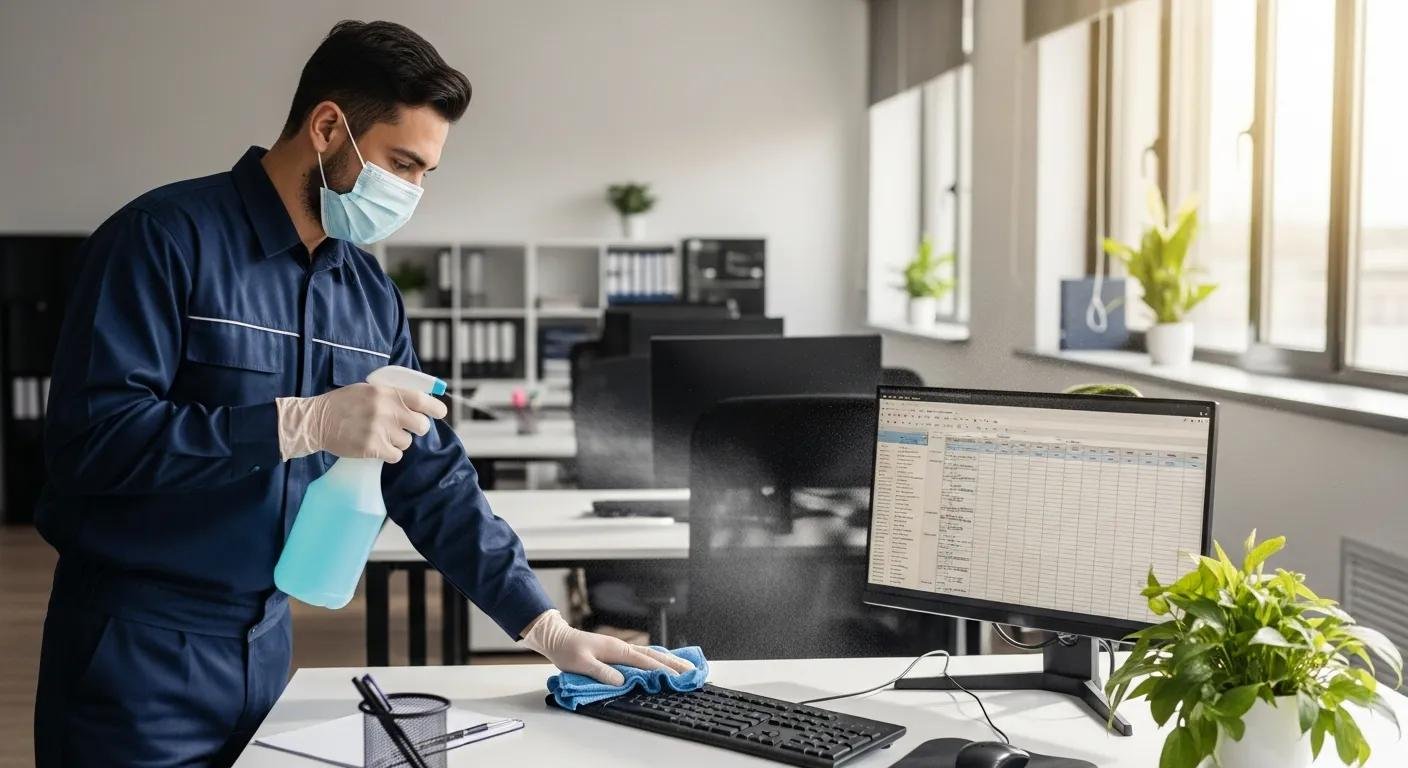
Daily commercial cleaning centers on short, high-impact tasks that stop soil and microbes from accumulating. By removing debris and disinfecting busy zones, you reduce pathogen spread, improve occupants’ perception of cleanliness, and protect indoor air. Typical daily priorities include trash removal, sanitizing high-touch surfaces, spot floor care, breakroom upkeep, and keeping workstations tidy — all actions that maintain IAQ and employee wellness while limiting the need for emergency deep cleans.
This short daily checklist highlights priority tasks:
- Empty and replace trash liners in common areas and breakrooms to prevent odors and pest issues.
- Disinfect high-touch surfaces — door hardware, shared electronics — using EPA Safer Choice products or equivalent certified options.
- Spot-clean floors and entrance mats to remove tracked-in soil and reduce slip hazards.
- Wipe and restock breakroom counters, sinks, and beverage stations to cut cross-contamination.
- Tidy workstations: remove food debris, straighten shared spaces, and present a professional workspace.
- Replenish restroom soap and paper products; verify hand-dryers and dispensers are functioning.
Below is a quick reference comparing high-touch surfaces to recommended disinfectant types and suggested frequency for daily workflows.
This comparison helps facilities and procurement teams choose eco-certified products that meet performance needs while protecting staff and visitors.
Which High-Touch Surfaces Require Daily Disinfection?
High-touch surfaces are items people contact often, so they drive transmission risk. Focus on reception desks, conference tables, door hardware, shared office equipment, and restroom fixtures — places that concentrate hand-to-face transfer. Match disinfectant contact times to the product label and surface material to avoid damage; for electronics, use lint‑free wipes with manufacturer-approved solutions. Use checklists with initials and timestamps to verify completion and to spot recurring hotspots that may need increased attention.
Prioritizing by risk helps allocate resources: frequent wipes in reception and meeting rooms, mid-day checks in elevators and breakrooms, and shift-based restroom cleaning to control odors and contamination.
Microbial contamination on frequently touched surfaces is a known contributor to infection spread in commercial settings.
High-Touch Surfaces and Infection Control Strategies
Surfaces touched frequently can carry bacteria, viruses, yeasts and other organisms; improving cleaning and disinfection reduces infection risk. Both manual and automated surface cleaning methods are used to control outbreaks, and current trends include antimicrobial surfaces as part of broader prevention strategies.
How to Implement Eco-Friendly Daily Surface Cleaning Practices?
Eco-friendly daily cleaning combines certified products, efficient tools, and staff training so efficacy isn’t sacrificed for sustainability. Choose EPA Safer Choice or Green Seal products, follow labeled dilutions and contact times, and rely on microfiber cloths that cut chemical use and trap soil when laundered properly. Train teams on dilution control systems, color-coded cloth protocols to prevent cross-contamination, and waste-saving measures such as bulk refills and permitted composting for food scraps. Track simple KPIs — complaint counts, restroom supply stock-outs, and visible soil levels — to verify green practices deliver consistent results.
When applied consistently, these measures lower chemical consumption, support IAQ, and align cleaning operations with tenant sustainability expectations.
What Should Be Included in a Weekly Office Cleaning Schedule Template?
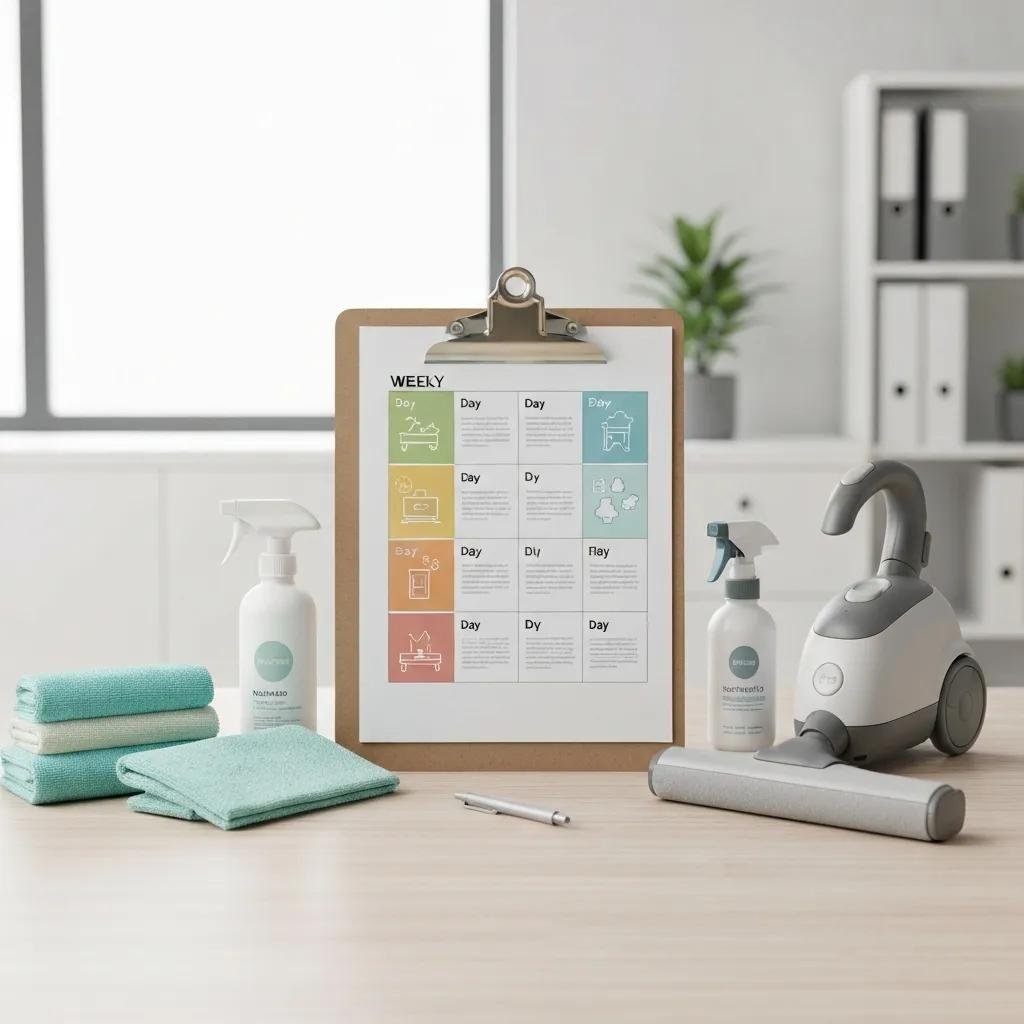
A weekly schedule covers deeper work that builds on the daily baseline: full dusting, vacuuming under desks, detailed breakroom cleaning, and trash‑bin washes. These tasks remove accumulated dust and soil, protect floor finishes, and lower allergen loads that affect IAQ and staff comfort. A rotating weekly template helps teams divide zones so every area receives attention at least once per week.
Sample weekly template and priorities:
- Monday: Deep restroom sanitation and fixture descaling.
- Tuesday: Full office dusting (top to bottom) and ledge cleaning.
- Wednesday: Vacuum under desks and furniture; spot-clean upholstery.
- Thursday: Breakroom deep clean, appliance exteriors, and trash bin wash.
- Friday: Conference room polish, glass touchpoint cleaning, and supply inventory.
Assign specific roles so facility managers and cleaning staff own each task. A short daily checklist with initials closes the loop on accountability.
Below is a zone-by-zone comparison of weekly tasks with eco-friendly product notes.
These weekly actions reduce visible wear and feed longer-term maintenance plans for finishes and equipment.
How to Perform Thorough Restroom Sanitization and Hygiene Maintenance?
Weekly restroom work prevents odors, scale buildup, and cross-contamination by targeting grout, fixtures, and drain lines. Use EPA Safer Choice or comparable sanitizers for general cleaning and specific descalers for mineral deposits; follow contact times and ensure adequate ventilation during application. Restock consumables and evaluate mechanical hand-dryers versus paper options based on hygiene and user preference. Record completions and issues on a weekly log to catch plumbing or ventilation problems early.
Regular attention preserves fixtures and keeps restrooms hygienic, supporting both employee comfort and regulatory expectations.
What Are the Best Practices for Commercial Floor Care and Maintenance?
Floor care varies by material: carpets need HEPA vacuuming and targeted spot treatment; VCT and tile respond best to neutral‑pH mopping and finish maintenance; wood benefits from microfiber dust mopping and controlled moisture. Use floor-specific cleaners and avoid abrasive techniques that strip finishes. Place entry mats to limit tracked-in soil and schedule burnishing or recoating according to finish life. Engage professional restorative services on a planned basis to extend floor life and maintain slip resistance.
Good preventive floor care lowers long-term costs while improving safety and appearance for occupants and visitors.
Which Deep Office Cleaning Checklist Items Are Essential Monthly?
Monthly deep cleaning tackles buildup that daily and weekly work miss: high dusting, interior window cleaning, carpet spot treatments, and upholstery vacuuming. Removing settled dust keeps it out of the HVAC system and reduces allergens, helping occupants with sensitivities. Coordinate quarterly or semi-annual items — professional carpet cleaning, exterior window washing, and HVAC filter inspections — with vendors to minimize downtime and match equipment specs.
Scheduling these items on a fixed calendar prevents deferred maintenance and supports long‑term facility health.
How to Conduct Professional Commercial Carpet and Upholstery Cleaning?
Professional services use hot water extraction for deep soil removal and bonnet cleaning for interim maintenance; the right method depends on traffic and fiber. Communicate expected downtime and drying times (commonly 6–24 hours) so stakeholders can plan after-hours work when necessary. Confirm vendor equipment (truck-mounted extractors when appropriate) and EPA-compliant detergents; document results with before/after photos and stain-treatment records.
Choosing experienced vendors protects warranties and ensures effective soil removal without damaging fibers or adhesives.
Why Is Air Vent and HVAC System Cleaning Important for Indoor Air Quality?
Clean vents and well-maintained HVAC systems reduce particulate recirculation, limit microbial growth, and improve overall IAQ. Regular filter changes, HEPA upgrades where feasible, and periodic duct inspections remove dust reservoirs that feed indoor allergens and odors. Look for visible dust at registers, persistent dusting needs, or unexplained smells as signals that service is due. Coordinate HVAC work with IAQ testing when tenants report symptoms or after major renovations.
Routine HVAC maintenance supports occupant health, reduces energy drag, and complements surface cleaning to deliver measurable IAQ improvements.
How Do Specialized Cleaning Checklists Enhance Medical and Financial Office Hygiene?
Specialized checklists adapt general commercial protocols to industry-specific risks — infection control in medical practices and security/confidentiality in financial firms. These tailored documents specify products, turnover cadence, and handling of sensitive zones so facilities remain compliant, secure, and professional. Clear protocols for exam-room turnover, sharps and regulated waste, and secure-area cleaning reduce operational risk and protect patient and client environments.
Showcasing custom checklists for medical and financial clients demonstrates professionalism, health focus, and eco-friendly practices. The Green Bucket builds HIPAA-aware handling steps, lockable storage procedures for secure zones, and documented turnover protocols that fit facility workflows and client expectations.
What Are the Key Medical Office Cleaning Standards and Compliance Requirements?
Medical cleaning requires attention to disinfectant contact times, exam-room turnover, and regulated waste handling. Follow guidance from authoritative sources, use EPA‑registered disinfectants suitable for clinical surfaces, and segregate sharps and biohazardous waste per facility policy. Train staff on contamination zones, PPE use, and privacy-sensitive cleaning. Maintain cleaning logs for auditability and risk management.
Clear, documented protocols lower cross-contamination risk and support efficient, safe clinical operations.
How to Maintain Security and Professionalism in Financial Institution Cleaning?
Cleaning banks and financial offices calls for rigorous background checks, controlled access, and procedures that prevent exposure of sensitive documents. Schedule work during low-traffic windows, secure cleaning carts and supplies, and train staff on confidentiality and client-facing standards. Keep records of access, key control, and incidents to add an operational security layer. Discreet, punctual service with a professional appearance builds trust with financial clients and minimizes disruption.
These practices balance security needs with the demand for visible cleanliness and a polished customer experience.
Use this checklist to attract and convert commercial clients by emphasizing professional, health-first, and eco-conscious cleaning services. To tailor the checklist for your building, request a consultation or site walkthrough with The Green Bucket to review needs and scheduling.
Frequently Asked Questions
What are the benefits of using eco-friendly cleaning products in commercial offices?
Eco-friendly products improve indoor air quality and reduce environmental impact. They typically avoid harsh chemicals that can trigger respiratory irritation or allergies, and many are biodegradable, cutting down on harmful waste. Choosing green products supports employee health, strengthens your sustainability message, and can make the workplace more attractive to tenants and clients.
How can I ensure compliance with health and safety regulations during office cleaning?
Ensure compliance by following local health guidance and OSHA standards: use EPA‑registered disinfectants, train staff on safe chemical handling, and keep accurate cleaning records. Regular audits and clear communication about protocols help identify gaps and build trust with employees and clients.
What should I consider when creating a cleaning schedule for a large office space?
Factor in floor area, employee count, and zone usage. Prioritize high-traffic areas and frequent-touch surfaces for daily care, and schedule deeper tasks weekly or monthly. Involve building staff for insights, and leave flexibility to handle events or occupancy changes so cleanliness stays consistent.
How can I measure the effectiveness of my office cleaning practices?
Measure effectiveness with staff feedback, regular cleanliness audits, and basic IAQ checks. Use checklists for daily tasks and track frequencies against standards. Monitoring complaint trends and supply stock-outs also highlights where adjustments are needed.
What are the best practices for training cleaning staff in a commercial setting?
Provide hands-on onboarding that covers techniques, safety, and equipment use. Offer regular refreshers on new products and protocols, and encourage open communication so staff can ask questions. Clear role definitions and accessible reference materials help maintain consistent quality.
How often should deep cleaning be performed in an office environment?
Deep cleaning should generally occur at least monthly, with higher frequency for busy or high-risk areas. Tailor timing to office size, occupant density, and industry requirements. Schedule deep cleans after events or renovations to remove accumulated dust and debris.