School and Educational Facility Cleaning Best Practices
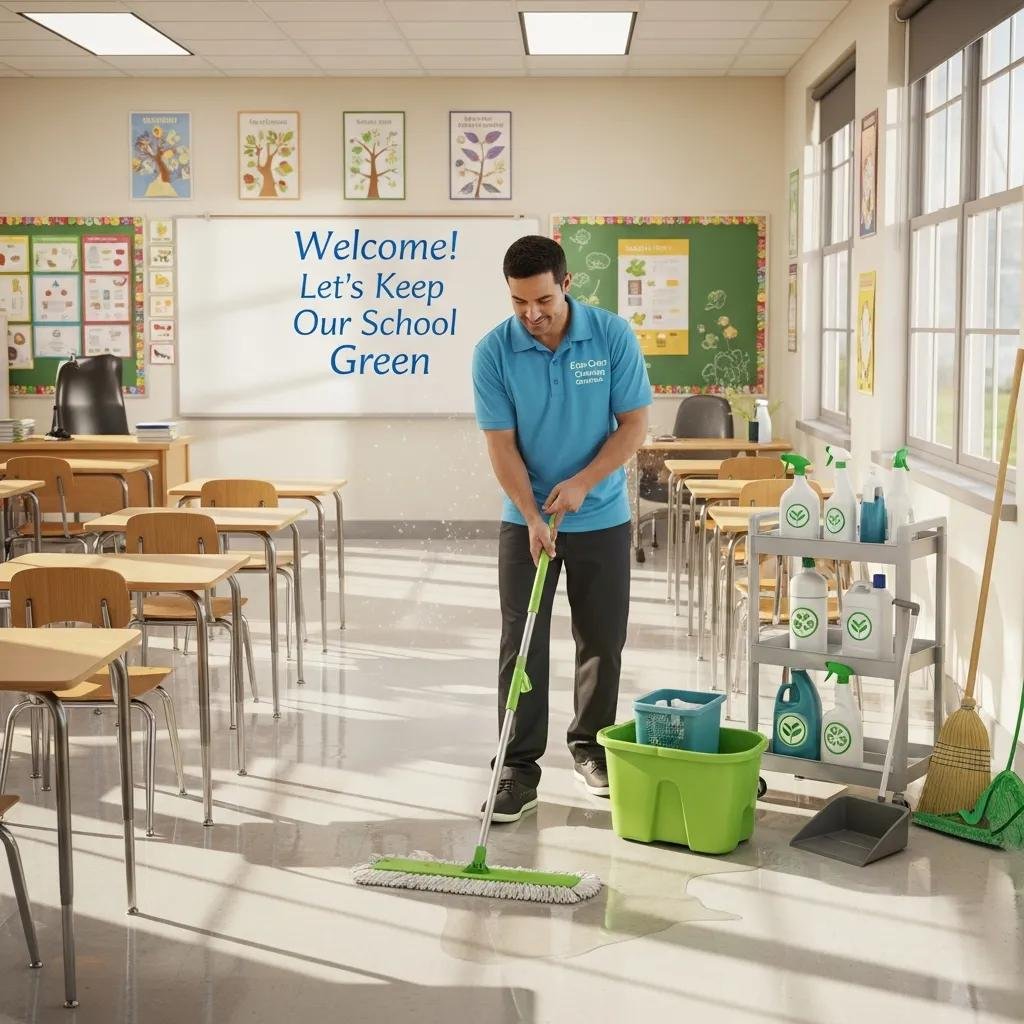
School and Educational Facility Cleaning Best Practices: Comprehensive Guide to Classroom Disinfection and Eco-Friendly Janitorial Services
Maintaining a clean and healthy environment in schools and educational facilities is crucial for the well-being of students and staff. This comprehensive guide explores best practices for classroom disinfection and eco-friendly janitorial services, ensuring that educational institutions can provide a safe learning atmosphere. Readers will learn about effective cleaning protocols, the benefits of eco-friendly practices, and how to maintain health standards in educational settings. The importance of cleanliness in schools cannot be overstated, as it directly impacts student health and academic performance. This article will cover effective classroom disinfection protocols, the benefits of eco-friendly cleaning practices, the best commercial janitorial services for schools, and how to maintain health standards and compliance.
Indeed, the role of janitorial professionals extends far beyond basic cleaning, serving as a critical line of defense for public health and environmental sustainability within these vital institutions.
Janitorial Services: Public Health & Environmental Goals
Janitorial professionals are the unacknowledged backbone of modern facilities—responsible not only for basic cleanliness but also for safeguarding public health, preventing infection, and supporting environmental goals. Despite their essential role, their contributions are often undervalued and misunderstood.
What Are Janitorial Services? A Complete Overview
What Are Effective Classroom Disinfection Protocols for Schools?
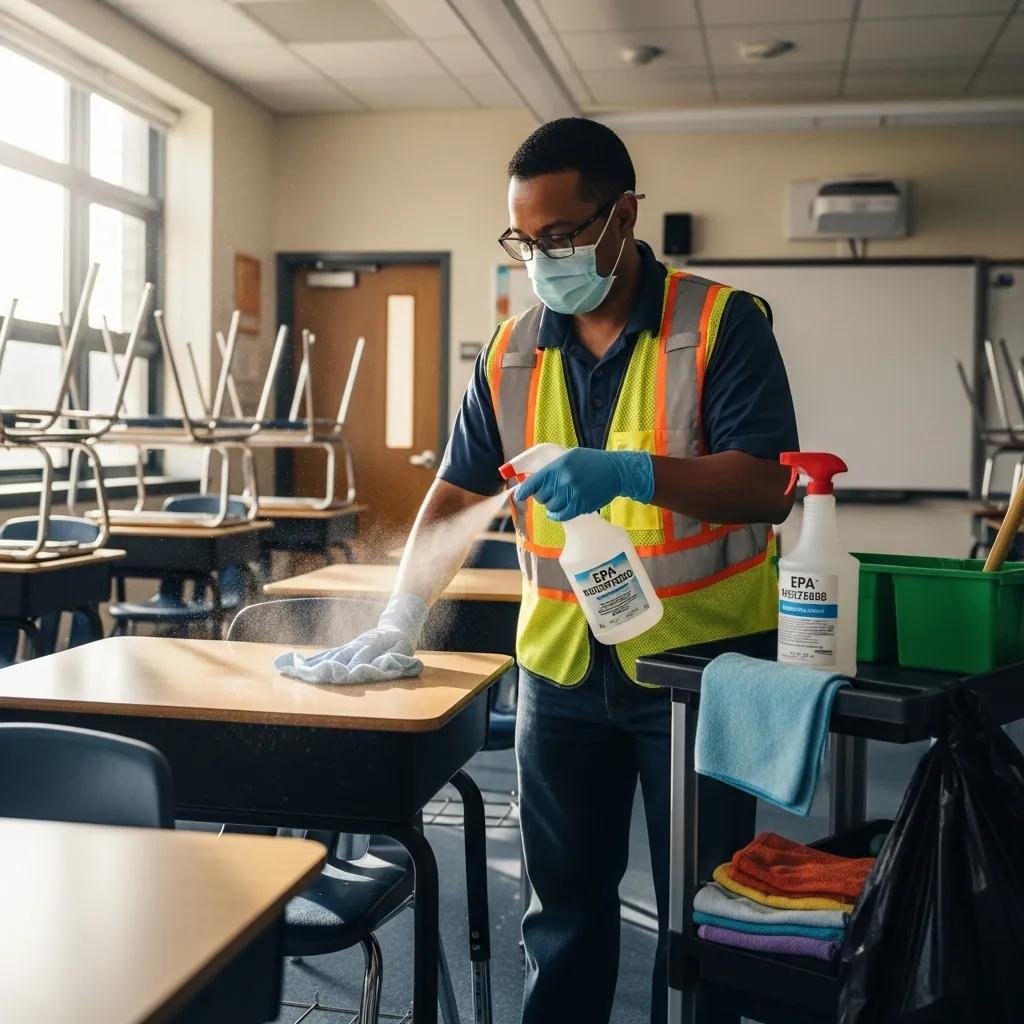
Effective classroom disinfection protocols for schools include a series of structured cleaning tasks designed to minimize the spread of germs and maintain a hygienic environment. These protocols are essential for preventing illness transmission among students and staff, ensuring a healthier learning environment. Key components of these protocols involve routine janitorial tasks, deep cleaning, specialized cleaning for high-risk areas, and the use of EPA-registered disinfectants. Implementing these practices not only enhances cleanliness but also promotes overall health and safety within educational facilities.
Research further supports the direct link between rigorous classroom cleaning and improved student health outcomes.
Classroom Cleaning & Student Health: Disinfection Protocols
The aims of this study included assessing both (1) the effectiveness of enhanced classroom cleaning and disinfecting protocol on surface biocontamination and (2) the associations between surface biocontamination and student absence due to illnesses.
Effects of classroom cleaning on student health: a longitudinal study, M Hernandez, 2022
How to Implement Infection Control Measures in Educational Facilities
To implement infection control measures in educational facilities, consider the following steps:
- Routine Janitorial Services: Establish daily cleaning tasks that include trash removal, surface dusting, vacuuming, and restroom sanitation to maintain a clean and safe environment.
- Deep Cleaning: Schedule deep cleaning services at least quarterly or after events to focus on high-touch areas and ensure thorough disinfection.
- Specialized Cleaning: For facilities like medical offices, implement specialized cleaning protocols that include hospital-grade disinfection and documented procedures to control infection.
- Checklists and Routines: Use time-based checklists to define cleaning tasks, frequencies, and responsibilities, ensuring consistency and reliability in cleaning operations.
- Eco-Friendly Practices: Adopt eco-friendly cleaning products and methods to improve indoor air quality and reduce illness transmission.
- Employee Training: Ensure that cleaning staff are trained in infection control measures and the use of appropriate cleaning products and equipment.
- Monitoring and Feedback: Regularly inspect cleaning effectiveness and gather employee feedback to adjust cleaning protocols as needed.
These measures will help create a healthier educational environment and reduce the risk of illness transmission.
Which Eco-Friendly Cleaning Products Ensure Safe Classroom Sanitization?
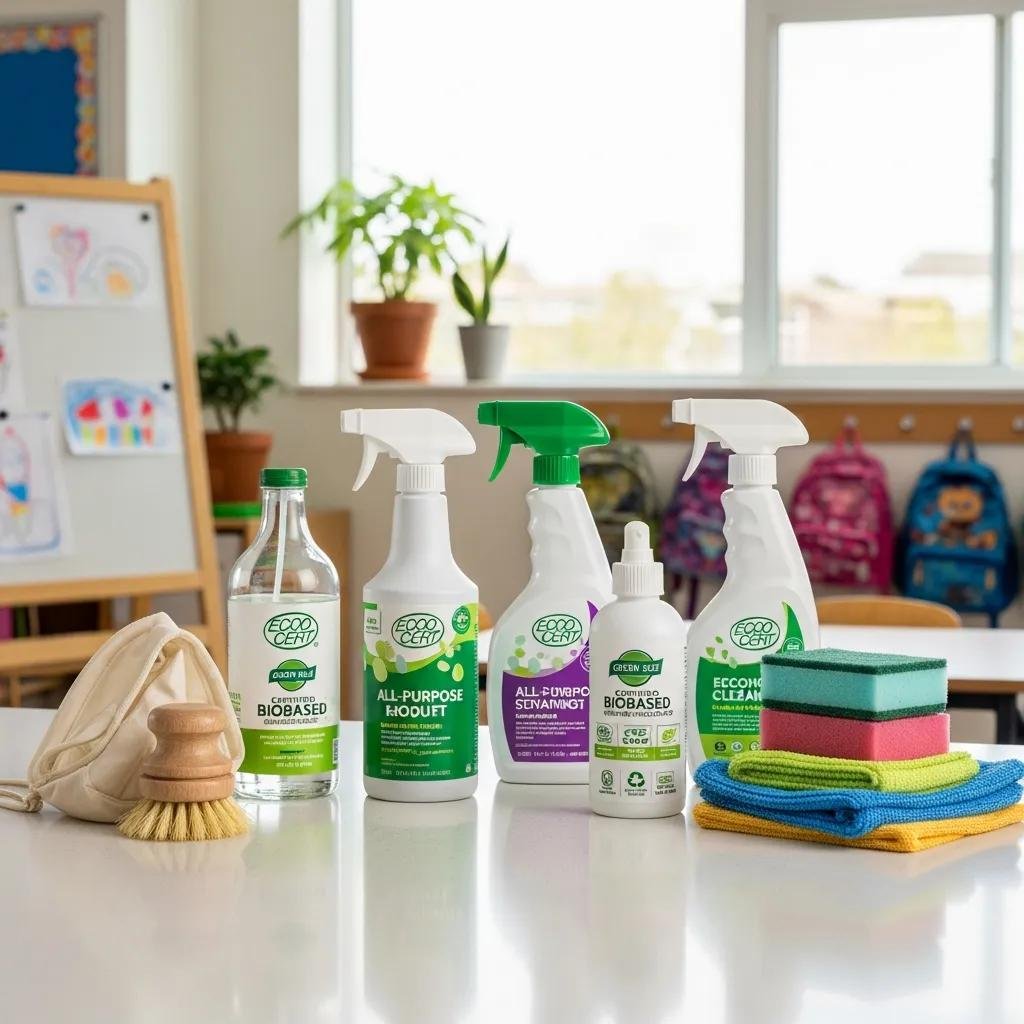
Eco-friendly cleaning products that ensure safe classroom sanitization include low-VOC cleaners, biodegradable formulations, and products certified by third-party seals like Green Seal and EPA Safer Choice. These products help reduce respiratory irritations and improve indoor air quality, making them suitable for classroom environments.
How Do Eco-Friendly School Cleaning Practices Benefit Health and Environment?
Eco-friendly school cleaning practices benefit health and the environment by improving indoor air quality, reducing exposure to harmful chemicals, and minimizing environmental impact. These practices use low-VOC products and advanced cleaning methods, which can lead to fewer respiratory irritations and lower absenteeism among students and staff. Additionally, biodegradable formulations break down safely, reducing waste and environmental harm. Overall, these practices create a healthier and more comfortable learning environment.
What Are the Top Certified Green Cleaning Products for Schools?
The top certified green cleaning products for schools include those with third-party certifications such as Green Seal and EPA Safer Choice. These products typically feature attributes like low-VOC formulas, biodegradability, and reduced toxic ingredients. Common product categories include surface disinfectants, low-emission floor finishes, and carpet cleaners designed to rinse without harmful residues.
How Does Green Cleaning Reduce Infection Risks in Educational Settings?
Green cleaning reduces infection risks in educational settings by using safer disinfectants that effectively control pathogens without leaving harsh chemical residues. This approach improves indoor air quality by lowering volatile organic compounds (VOCs) and airborne irritants, which can lead to fewer respiratory issues and reduced illness transmission among students and staff. Additionally, practices like HEPA-filtered vacuuming and microfiber dusting help capture fine particulates and allergens, further enhancing the health and safety of the environment.
What Are the Best Commercial Janitorial Services for Schools in Central Florida?
Identifying the best commercial janitorial services for schools in Central Florida involves evaluating providers based on their training for health standards compliance, customized cleaning protocols, and local service expertise. These services are essential for maintaining cleanliness and hygiene in educational facilities, ensuring that they meet health and safety regulations.
How Are Janitorial Staff Trained for School Health Standards Compliance?
Janitorial staff are trained for school health standards compliance through a structured approach that includes:
- Clear Task Definitions: Staff are trained on specific tasks, frequencies, and responsibilities to ensure consistency and reliability in cleaning operations.
- Checklists: The use of checklists helps staff efficiently manage daily, weekly, and monthly cleaning routines, ensuring that nothing is overlooked.
- Focus on High-Touch Areas: Training emphasizes the importance of cleaning high-touch surfaces to reduce the spread of illness.
- Deep Cleaning Protocols: Staff are trained in deep cleaning techniques that use specialized equipment and processes to remove contaminants effectively.
- Documentation and Compliance: For specialized services, such as medical office cleaning, staff are trained to follow stricter disinfection protocols and maintain records to ensure compliance with health standards.
- Regular Feedback and Adjustments: Employee feedback is encouraged to identify areas needing extra attention, which helps maintain high cleaning standards.
These training elements contribute to a cleaner, safer environment that meets health and safety compliance requirements.
What Customized Cleaning Protocols Address School-Specific Needs?
Customized cleaning protocols that address school-specific needs include:
- Routine Janitorial Services: Daily tasks such as trash removal, surface cleaning, restroom sanitation, and upkeep of shared areas to maintain a clean and safe environment.
- Deep Cleaning: Intensive cleaning focused on high-touch areas and hard-to-reach buildup, typically scheduled quarterly or after events to ensure thorough sanitation.
- Specialized Services: Tailored cleaning for specific environments, such as medical office cleaning, which requires strict disinfection protocols and documentation.
- Frequency and Timing: Establishing clear schedules for daily, weekly, and monthly tasks to ensure nothing is missed and to maintain consistent cleanliness.
- Employee Feedback: Incorporating feedback from staff to identify problem areas and adjust cleaning protocols accordingly to enhance effectiveness and satisfaction.
These elements help create a cleaning strategy that meets the unique requirements of a school environment.
How to Maintain School Cleaning Health Standards and Compliance?
To maintain school cleaning health standards and compliance, follow these guidelines:
- Effective Cleaning Plans: Implement a consistent and planned cleaning routine rather than relying on accidental cleaning.
- Task Breakdown: Divide cleaning tasks into daily, weekly, and monthly routines to ensure nothing is overlooked. Use checklists to enhance efficiency and protect facilities and staff.
- Clarity in Responsibilities: Clearly define what tasks are to be done, how often, and who is responsible for each task. Time-based checklists help maintain repeatability and reliability.
- Daily Maintenance: Focus on daily tasks that target high-traffic areas to prevent the buildup of grime, bacteria, and odors, which can reduce long-term maintenance costs.
- Deep Cleaning: Schedule deep cleaning at least quarterly, or more frequently for high-traffic areas or health-sensitive environments. This includes high-touch disinfection and other specialized cleaning tasks.
- Employee Feedback: Encourage regular feedback from staff to identify problem areas and improve cleaning practices. This helps ensure that cleaning supports occupant comfort and health.
- Quality Assurance: Establish clear checklists, conduct scheduled inspections, and maintain open communication channels for feedback to create a continuous improvement loop.
- Eco-Friendly Practices: Consider using eco-friendly cleaning products and methods to improve indoor air quality and reduce harmful exposures.
By following these practices, schools can effectively maintain health standards and compliance in their cleaning operations.
Which CDC and EPA Guidelines Apply to Educational Facility Sanitization?
Educational facilities should adhere to CDC and EPA guidelines that emphasize the importance of regular cleaning and disinfection, particularly in high-touch areas. These guidelines recommend using EPA-registered disinfectants and following specific protocols for cleaning surfaces to minimize the risk of infection.
How to Monitor and Audit Cleaning Effectiveness in Schools?
To monitor and audit cleaning effectiveness in schools, consider the following methods:
- Regular Inspections: Conduct routine inspections to assess cleanliness and adherence to established standards.
- Employee Feedback: Gather feedback from staff and students to identify problem areas and missed tasks.
- Health Indicators: Track health metrics such as absenteeism rates to gauge the impact of cleaning on student and staff health.
- Task Checklists: Maintain and routinely audit a checklist of cleaning tasks to ensure all areas are addressed consistently.
- Complaint Trends: Analyze trends in complaints related to cleanliness to identify persistent issues.
- Cleaning-Completion Reports: Review reports that document completed cleaning tasks to ensure accountability.
- Performance Metrics: Compare metrics like reduced sick days or maintenance costs to evaluate the effectiveness of cleaning services over time.
These strategies create a comprehensive approach to ensuring cleaning standards are met and maintained.
What Are Recommended Cleaning Schedules and Maintenance Checklists for Schools?
Recommended cleaning schedules and maintenance checklists for schools should include:
- Daily Tasks: Focus on high-traffic areas to prevent grime, bacteria, and odors. This includes waste removal, surface cleaning, restroom sanitation, and basic floor care.
- Weekly Tasks: Detail dusting and cleaning of less frequently touched surfaces.
- Monthly Tasks: High dusting, light fixture wiping, and other less frequent but necessary cleaning tasks.
- Deep Cleaning: Schedule at least quarterly, or more frequently for high-traffic areas or health-sensitive environments. This includes intensive work on high-touch areas and hard-to-reach buildup.
- Specialized Services: Consider additional cleaning for specific needs, such as medical disinfection or carpet care, based on the school’s requirements.
- Quality Assurance: Implement checklists, scheduled inspections, and open feedback channels to ensure consistent results and adjust cleaning frequencies based on wear patterns or occupancy changes.
Clarity in responsibilities and schedules is essential for effective cleaning operations.
How Often Should Schools Be Sanitized to Minimize Infection Spread?
Schools should be sanitized daily to target busy areas and prevent the buildup of grime, bacteria, and odors. Additionally, deep cleaning should be scheduled at least quarterly, with increased frequency for high-traffic areas or health-sensitive environments.
The ongoing development of effective school cleaning protocols is crucial for reducing environmental contamination and safeguarding student health, particularly in the face of widespread illnesses.
School Cleaning Protocols: Environmental Disinfection
Since no specific environmental cleaning instructions and methods have been developed for schools to tackle pandemics, and cleaning methods, this study aims to investigate the feasibility of a new effective school cleaning protocol in reducing the environmental contamination in kindergarten and primary school settings.
The effectiveness of a school-based protocol for environmental cleaning and disinfection during a pandemic: a randomized controlled pilot study, 2024
What Are Sample Checklists for Daily and Periodic School Cleaning Tasks?
Sample checklists for daily, weekly, and monthly school cleaning tasks include:
Daily Tasks:
- Trash removal
- Surface dusting
- Vacuuming or mopping floors
- Restroom sanitation
- Breakroom upkeep
- Wiping common touchpoints (e.g., doorknobs, shared equipment)
Weekly Tasks:
- Detail dusting
- High dusting
- Light fixture wiping
Monthly Tasks:
- Deep cleaning of high-touch areas
- Carpet extraction
- Grout and fixture cleaning
These tasks help maintain a clean, safe, and presentable environment in schools.

CEO
With 14+ years in commercial cleaning, I provide reliable, high-quality service for medical, office, and corporate spaces. Renowned for attention to detail, eco-friendly solutions, and building trusted client relationships across Central Florida.