
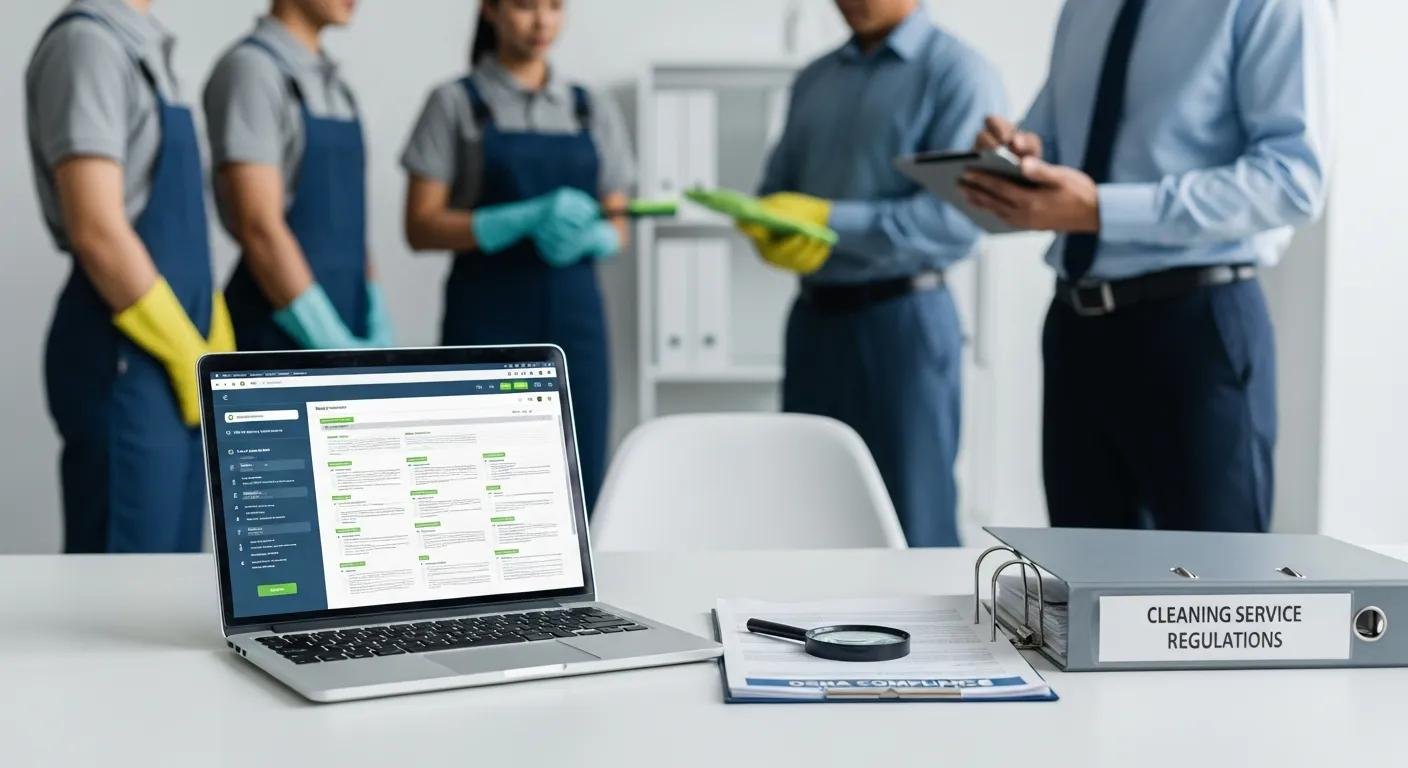
Mastering Cleaning Compliance: Practical Guidance for Businesses
Keeping cleaning operations compliant matters — for employee safety, public health, and the planet. Rules from OSHA, the EPA, and the CDC set clear expectations for how cleaning services must handle chemicals, training, waste, and infection control across different industries. Knowing those rules helps businesses avoid penalties and keeps workplaces safe. Below we walk through the core regulations cleaning teams follow, how they stay compliant on the job, industry-specific considerations, and what to look for when hiring a compliant partner — including how The Green Bucket LLC models these practices.
What are the key cleaning compliance regulations businesses must follow?
Compliance standards exist to protect workers, customers, and the environment. OSHA, EPA, and CDC each cover different pieces of the puzzle — from worker safety and hazardous chemical handling to approved disinfectants and environmental impact. Meeting these standards is both a legal requirement and a mark of professionalism that protects your people and your reputation.
Which OSHA standards apply to commercial cleaning services?
OSHA focuses on workplace safety: hazard communication, personal protective equipment, bloodborne pathogens where relevant, and employee training. Cleaning contractors must keep Safety Data Sheets (SDS) on file, document training, and ensure teams know how to use products and PPE safely. Those records show regulators and clients that safety is taken seriously and reduce the risk of accidents on site.
How do EPA regulations influence eco-friendly cleaning practices?
The EPA regulates product claims and approves disinfectants for specific uses. Following EPA guidance means choosing products that are effective and safer for people and the environment — biodegradable, lower-toxicity, and properly labeled. Using EPA-aligned, plant-based products supports sustainability goals while keeping you within regulatory expectations.
How do cleaning services ensure health and safety compliance?
Good cleaning companies blend training, clear protocols, and routine audits. Staff training, up-to-date SDS files, approved product lists, and scheduled compliance checks are all part of how providers keep standards consistent day to day. Those systems protect staff and clients and make compliance visible and verifiable.
What are the workplace cleaning legal requirements for hazardous materials?
Handling hazardous materials triggers specific rules: correct labeling, secure storage, and documented disposal. Workers must be trained to recognize hazards, use PPE, and follow spill-response procedures. Following these legal steps reduces injury risk and limits environmental harm.
How is proper waste disposal managed in commercial cleaning?
Proper disposal depends on the waste type. Best practices include separating streams at the source, using approved containers, and contracting with licensed disposal vendors for hazardous waste. Adhering to local, state, and federal disposal rules prevents fines and protects your brand from reputational damage.
What are the specific compliance guidelines for different industries?
Each sector has nuances that affect cleaning methods and documentation. A one-size-fits-all approach won’t meet regulatory or operational needs — cleaning for a medical clinic looks different from cleaning for a school or a bank.
How do CDC guidelines affect medical office cleaning compliance?
The CDC provides infection-prevention guidance that medical settings must follow: targeted disinfection of high-touch surfaces, approved disinfectants for clinical areas, and clear cleaning logs and staff training records. Following CDC recommendations helps healthcare sites lower infection risk and demonstrate due diligence.
What are compliance considerations for schools and financial institutions?
Schools need child-safe products and schedules that minimize classroom disruption, plus clear documentation for parents and administrators. Financial institutions prioritize security and cleanliness without interrupting client services. In both cases, using compliant products and keeping transparent records are essential.
How can businesses choose a compliant cleaning service partner?
Look beyond price. Evaluate a provider’s training programs, documentation practices, product lists, and audit routines. Ask for proof of insurance and references from similar facilities. A strong compliance posture shows the company values safety, reliability, and transparency.
What documentation proves cleaning service compliance?
Key documents include Safety Data Sheets (SDS) for all chemicals, employee training records, proof of insurance, and audit or inspection logs. These items demonstrate that a cleaning provider follows regulations and has systems in place to keep your site safe.
How does The Green Bucket ensure compliance with regulations?
At The Green Bucket LLC, compliance is built into our systems. We use plant-based, non-toxic products that align with EPA guidance, keep thorough SDS and training records, and conduct regular safety audits. As a minority- and veteran-owned small business with more than 13 years’ experience, we combine eco-friendly practices with documented safety protocols to deliver reliable, compliant service.
Frequently Asked Questions
What are the consequences of non-compliance with cleaning service regulations?
Non-compliance can bring fines, legal action, and reputational harm. It can also expose employees and customers to health risks. Regulators may increase oversight and, in severe cases, halt operations. Staying compliant protects your people and your business.
How often should cleaning services conduct compliance audits?
Quarterly audits are a good baseline for most operations; higher-risk environments, like healthcare, often require more frequent checks. Regular audits catch gaps early and keep practices aligned with current standards.
What training is required for cleaning service employees regarding compliance?
Training should cover safe product use, PPE, hazard communication, handling hazardous materials, and any industry-specific protocols (OSHA, CDC, or EPA-related). Refresher training keeps staff current as regulations and products change.
Are there specific certifications for cleaning services to demonstrate compliance?
Yes. Certifications like the ISSA Cleaning Industry Management Standard (CIMS) and Green Seal signal adherence to industry best practices and environmental standards, making it easier for clients to verify a provider’s commitment to quality and sustainability.
How can businesses ensure their cleaning service is environmentally compliant?
Ask about product lists and request SDS and eco-certifications. Review their waste-handling procedures and training on environmental practices. Regular reporting and audits provide ongoing assurance that environmental standards are being met.
What role do client feedback and reviews play in assessing cleaning service compliance?
Client feedback highlights real-world performance. Positive reviews often reflect consistent compliance and reliability; negative reviews can flag gaps to investigate. Use testimonials and direct references to confirm a provider’s track record.