

Unlocking Commercial Janitorial Services
A well-run commercial janitorial program keeps people healthy, protects building assets, and presents the professional image your business needs. This guide explains what commercial janitorial services include, how routine cleaning differs from specialized or deep cleaning, and why facility managers increasingly prioritize eco-friendly, health-first approaches when hiring. You’ll find a clear rundown of service types—from daily office janitorial to medical-office protocols and commercial floor and carpet care—plus the measurable benefits for workplace health and productivity and a step-by-step hiring checklist tailored to Central Florida facilities. Practical comparisons, quick-reference tables, and vendor-vetting questions help you compare proposals, decode typical quote components, and move confidently toward a contract. Throughout, we use terms like facility maintenance, surface disinfection, indoor air quality (IAQ), and green-certified products to show how cleaning actions map to business outcomes.
What Are Commercial Janitorial Services and What Types Are Available?
Commercial janitorial services are organized cleaning programs that keep non-residential buildings clean, safe, and functioning. They combine routine tasks, periodic deep-clean work, and specialized protocols to manage hygiene, appearance, and asset longevity. As part of facility maintenance, typical tasks include surface disinfection, trash removal, vacuuming, and floor care to lower infection risk and extend material life. Common service categories include routine janitorial, deep cleaning, medical-office cleaning, commercial carpet care, and move-in/move-out cleaning—each with its own frequency, equipment, and staffing requirements. Knowing these distinctions helps facility managers pick the right scope, schedule, and performance metrics for their site.
Here’s a quick list of common commercial janitorial services:
- Routine janitorial services—daily or weekly maintenance that keeps spaces safe and presentable.
- Deep cleaning services—periodic, intensive work like carpet extraction and floor stripping/waxing.
- Specialized services—medical-office disinfection and move-in/move-out cleans for tenant turnovers.
The table below compares service types, typical tasks, and when each is usually needed to guide procurement and scheduling decisions.
This comparison clarifies the difference between ongoing maintenance and episodic restoration, helping you align cleaning frequency with occupancy, compliance, and budget priorities.
To attract and retain commercial clients, highlight professional, health-focused, and eco-friendly cleaning services that drive consultation requests and service agreements. Locally, The Green Bucket organizes its operations around Commercial Building Janitorial Services and demonstrates how a regional provider structures routine, deep, and specialized offerings for Central Florida properties.
Which Routine and Deep Cleaning Services Do Commercial Janitorial Services Include?
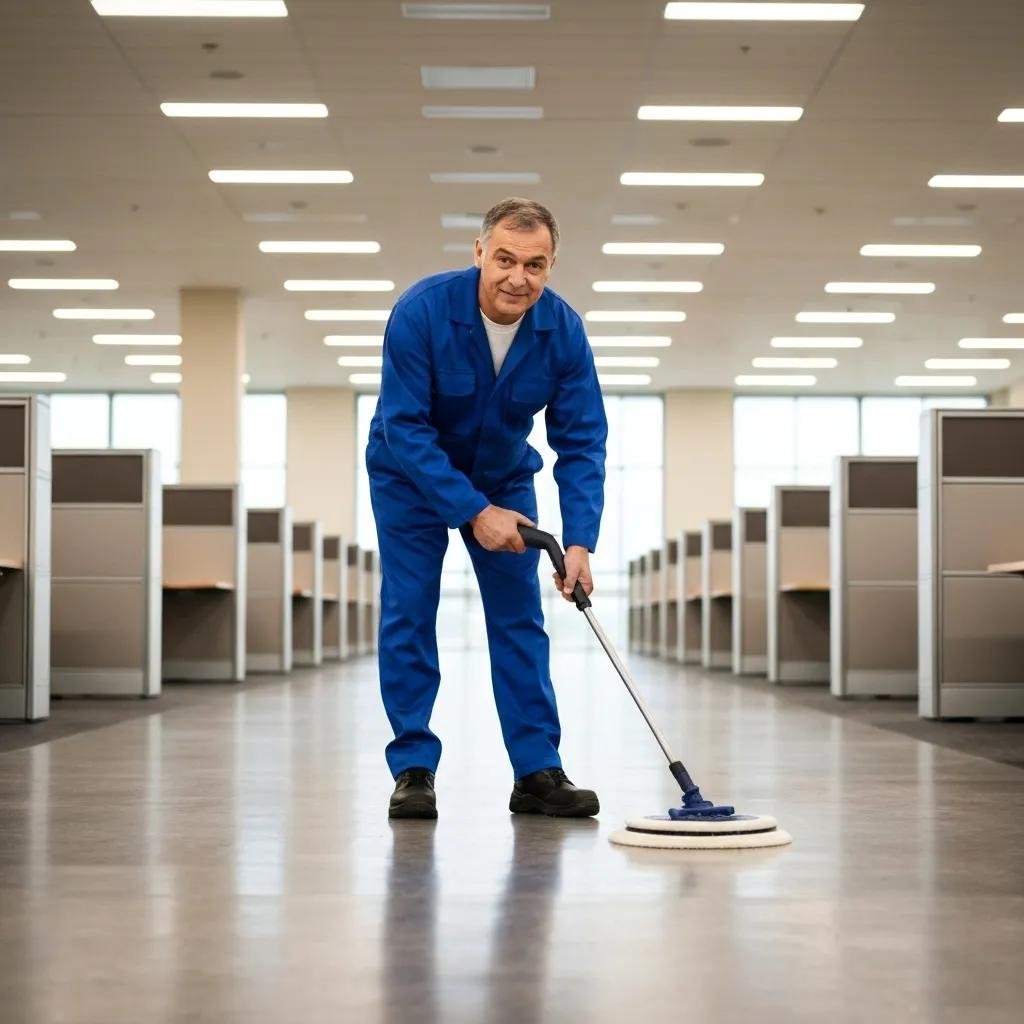
Routine tasks keep daily operations running by removing visible soil and interrupting contamination pathways. Typical routine work includes trash and recycling removal, vacuuming and spot-cleaning carpets, dusting horizontal surfaces, replenishing restroom supplies, and sanitizing high-touch points—actions that collectively reduce occupant exposures. Deep cleaning goes further: hot-water carpet extraction, floor stripping and waxing, duct and high-reach cleaning, and full restroom descaling restore materials and lower long-term replacement costs. Facilities usually schedule deep cleaning based on occupancy cycles, visible wear, seasonality, or after infection-control events to reset baseline cleanliness.
How Do Specialized Services Like Medical and Office Cleaning Differ?
Specialized cleaning differs in protocol rigor, staff training, and product choice. Medical-office cleaning emphasizes infection control: hospital-grade disinfectants, documented cleaning logs, isolation-area procedures, and staff trained in biosafety and HIPAA-awareness to reduce cross-contamination and protect patients. Standard office cleaning focuses on shared-space sanitation—desks, conference rooms, and common areas—and on carpet and floor care that supports traffic and aesthetics. Equipment choices—electrostatic sprayers, HEPA-filter vacuums, etc.—reflect these role-specific needs, and clear proposal line items for surface disinfection and restroom sanitation are essential when evaluating vendors.
What Are the Key Benefits of Hiring Professional Commercial Janitorial Services?
Professional janitorial services deliver measurable gains in workplace health, asset longevity, operational efficiency, and brand presentation by applying proven cleaning methods and trained teams. Providers follow facility-maintenance best practices to reduce pathogens on high-touch surfaces, improve IAQ through proper vacuuming and filtration, and apply preventive floor and carpet care that lowers lifecycle costs. The business outcomes: fewer sick days, improved employee productivity, reduced capital-replacement expenses, and a consistently professional impression for customers and regulators. Below is a concise breakdown of how services translate into value.
- Healthier workplaces: Targeted disinfection and IAQ management lower infection risk and respiratory irritants.
- Higher productivity: Cleaner spaces support focus, morale, and reduced absenteeism.
- Cost control: Preventive floor and carpet care extends material life and delays replacement.
- Professional image: Consistent cleanliness builds client confidence and eases regulatory readiness.
When you measure these outcomes against absenteeism trends and maintenance budgets, janitorial programs show clear operational ROI and support corporate ESG goals by reducing chemical exposure and waste.
To convert commercial clients, present a clear value proposition: professional, health-centered, and eco-conscious cleaning delivered by licensed, insured, and background-checked teams. The Green Bucket emphasizes those qualities in Central Florida—reliable staff and green solutions that deliver the health and cost benefits outlined above.
How Does Commercial Cleaning Improve Workplace Health and Hygiene?
Commercial cleaning improves health by breaking transmission chains on high-touch surfaces and lowering airborne particulates with targeted cleaning and filtration. Disinfection focuses on contact points with products selected for efficacy and safety, and cleaning frequency is matched to occupancy and risk to keep pathogen levels low. Improved IAQ comes from cutting VOCs and allergen sources through green-certified products and HEPA vacuuming, which supports respiratory health and cognitive performance. Together, these practices reduce respiratory complaints and short-term absenteeism among occupants.
In What Ways Can Janitorial Services Boost Productivity and Reduce Costs?
Janitorial services boost productivity by creating orderly, odor-free environments that support concentration and by reducing illness-related absenteeism. Preventive maintenance—scheduled carpet extraction and regular floor care—protects capital assets, slows depreciation, and defers replacement costs, improving total cost of ownership. Outsourcing centralizes vendor management, increases consistency in cleaning outcomes, and frees internal teams to focus on core operations. Compared against reduced sick days and deferred capital spending, professional janitorial programs often deliver a clear financial return for facility owners.
How Does Eco-Friendly Commercial Cleaning Benefit Your Business and Environment?
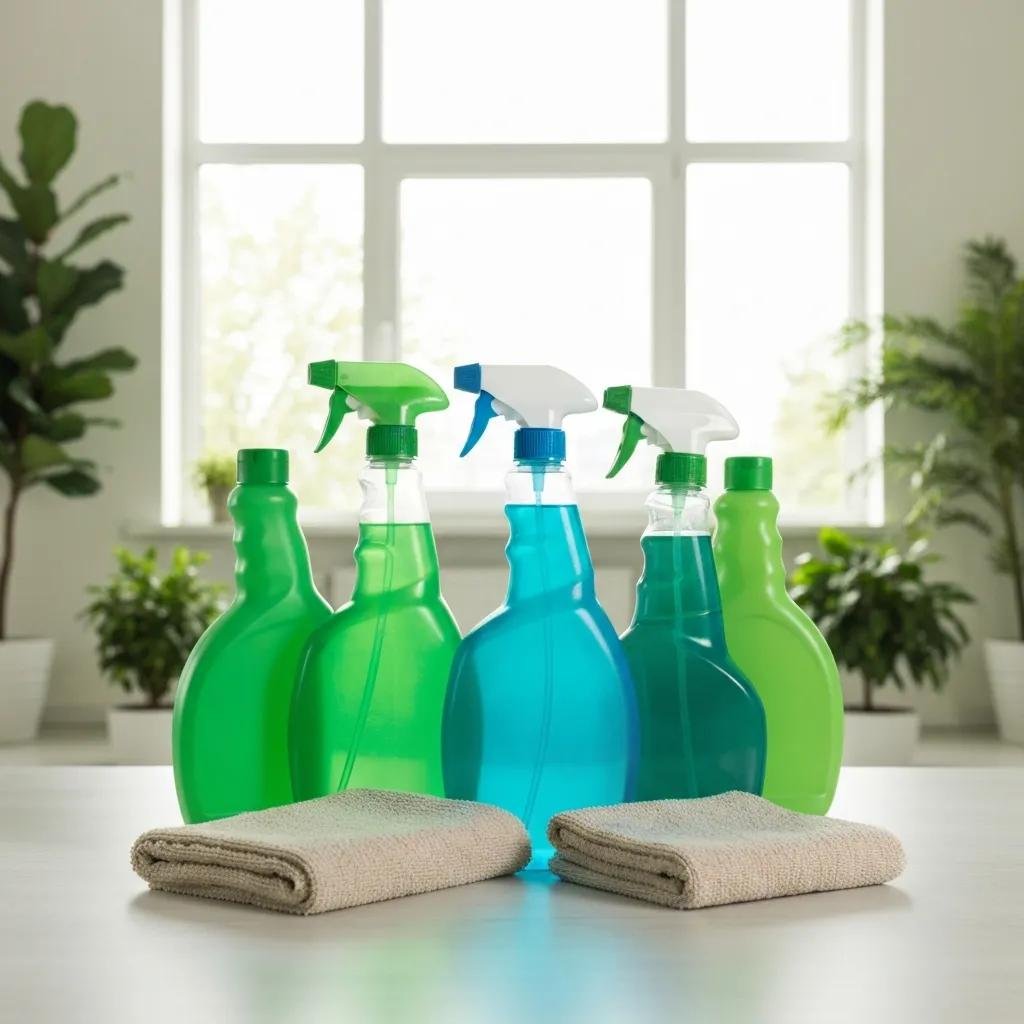
Eco-friendly commercial cleaning lowers chemical exposures, improves indoor air quality, and supports sustainability goals by using non-toxic formulations, biodegradable products, and waste-reduction practices. Green cleaning cuts VOCs and lingering residues, directly improving IAQ and reducing respiratory irritants for employees and visitors. Sustainable techniques—concentrated dosing, microfiber systems that reduce water and chemical use, and responsible waste handling—help facilities meet corporate sustainability targets and can support LEED or similar certifications. These operational changes deliver reputational value alongside measurable health improvements.
The Green Bucket’s local experience in Central Florida reflects a commitment to non-toxic, green-certified products and sustainable practices, reinforcing both credibility and environmental stewardship.
What Eco-Friendly Products and Practices Does The Green Bucket Use?
We use non-toxic, green-certified products and sustainable practices to deliver effective cleaning while minimizing harm. Our methods include concentrated or refill systems to reduce plastic waste, biodegradable agents that break down more readily, and microfiber plus HEPA-equipped equipment to reduce water use and airborne particulates. Ongoing staff training on product selection and proper dosing ensures consistent results and aligns with each building’s sustainability goals. The result: lower VOCs and better indoor air for employees and visitors.
How Does Sustainable Cleaning Support Employee Wellness and Indoor Air Quality?
Sustainable cleaning reduces VOCs and allergens by replacing harsh solvents with green-certified agents and using HEPA filtration and microfiber techniques to capture particulates at the source. Less chemical residue on surfaces and in the air lowers respiratory irritation and allergic triggers, supporting employee wellness and cognitive function. These health improvements lead to fewer sick days and stronger morale, while also advancing ESG objectives. Facilities that track IAQ changes can more clearly link green cleaning to productivity gains.
How Do You Hire the Right Commercial Janitorial Company in Central Florida?
Hiring the right janitorial company starts with a structured vetting process that checks scope, transparency, local experience, and alignment with health and sustainability priorities. Look for verified licensing and insurance, background-checked staff, documented protocols for medical or high-risk areas, and flexible scheduling and contract terms. Local factors—responsiveness across Orange, Osceola, and Seminole counties, references from similar Central Florida properties, and emergency-response capability—matter for continuity. A clear quote-component table helps you compare bids on an apples-to-apples basis.
Use the checklist below when evaluating proposals to ensure fair comparisons and predictable service delivery:
- Verify credentials: Check licensing, insurance, and background-check policies for on-site staff.
- Confirm scope and frequency: Make sure tasks, frequencies, and exclusions are documented.
- Request references: Ask for local references in similar building types to confirm consistent performance.
This table breaks down the elements of a transparent quote so you can compare proposals objectively and reduce procurement risk.
What Questions Should You Ask When Selecting a Janitorial Service?
Targeted questions reveal a provider’s capability and fit. Ask about insurance and licensing, detailed routine and deep-clean task lists, staff training and background checks, specifics on green products and IAQ practices, and references from similar Central Florida clients. Find out how they handle incident response and emergency cleaning, and request a sample contract plus a line-item quote so you can verify inclusions and exclusions. These questions reduce ambiguity and help you choose a vendor aligned with your health, budget, and sustainability priorities.
How Does The Green Bucket Provide Transparent Quotes and Flexible Contracts?
The Green Bucket offers transparent quotes and flexible contracts as a practical example for Central Florida customers. We provide free site walkthroughs and detailed proposals that list scope, materials, and pricing line items. Our approach centers on clear communication, licensed and insured operations, and background-checked, uniformed staff to build reliability and trust. Flexible contract options adapt to different schedules and business cycles, and our local presence across Orange, Osceola, and Seminole counties supports fast response times. For facility managers seeking an accountable local partner, a site walkthrough and a line-item proposal are the best next steps.
- Request a free site walkthrough to confirm scope and receive a detailed quote.
- Compare line-item quotes to reveal included tasks and exclusions.
- Negotiate contract flexibility for service frequency and emergency response terms.
This structured hiring approach reduces procurement uncertainty and helps align janitorial services with measurable facility outcomes.
Frequently Asked Questions
What should I consider when evaluating the cost of commercial janitorial services?
Compare scope, frequency, and included services first. Line-item pricing makes it easier to see what’s covered and avoid surprise fees. Also evaluate product quality—eco-friendly options can cost more upfront but often save money over time through better IAQ and lower health-related expenses. Always request a detailed quote so you can compare offers fairly.
How often should deep cleaning services be scheduled for optimal results?
Deep cleaning is typically scheduled quarterly to annually, depending on facility type and usage. High-traffic spaces or healthcare settings usually need more frequent deep cleans. Consider occupancy levels, visible wear, and seasonal needs—regular deep cleaning preserves hygiene, prolongs surface life, and maintains a consistently clean environment.
What are the environmental benefits of using eco-friendly cleaning products?
Eco-friendly products reduce harmful chemical release, improve indoor air quality by lowering VOCs, and are often biodegradable—minimizing ecosystem impact. Sustainable practices also help businesses meet CSR goals and appeal to environmentally conscious clients. Choosing green-certified products supports a healthier workplace while advancing broader environmental objectives.
How can I ensure the janitorial service I choose is reliable and trustworthy?
Verify credentials—licensing and insurance—and request local references. Ask about staff training and background checks, and review their protocols for high-risk areas. A transparent, line-item quote and a pre-contract site walkthrough provide additional assurance of capability and commitment to quality.
What role does staff training play in the effectiveness of janitorial services?
Training is essential. Well-trained staff know proper cleaning techniques, equipment use, and product application, which improves quality and safety. Training also covers health protocols for specialized environments like medical offices. A trained team reduces pathogens, improves IAQ, and helps maintain compliance with industry standards.
What are the advantages of outsourcing janitorial services instead of handling them in-house?
Outsourcing can lower costs, provide specialized expertise, and increase operational efficiency. It reduces overhead tied to hiring, training, and managing in-house staff while bringing consistent standards and best practices. Outsourcing also lets internal teams focus on core business tasks, improving overall productivity.
How can I assess the quality of a janitorial service after hiring them?
Set clear performance metrics and schedule regular inspections. Collect employee feedback on cleanliness and address concerns promptly. Hold periodic review meetings with the provider and track indicators like absenteeism and satisfaction to measure impact. Open communication ensures continuous improvement and high standards.